Replacing your roof is one of the largest home improvement projects you’ll undertake, with costs that can vary dramatically based on dozens of factors.
Whether you’re dealing with storm damage, an aging roof that’s reached the end of its lifespan, or simply want to upgrade your home’s protection and curb appeal, understanding roof replacement costs is essential for proper budgeting and planning.
The question “how much is a new roof for a house” doesn’t have a simple answer because every roof replacement project is unique.
Factors like:
- Your home’s size
- The roofing materials you choose
- Your roof’s complexity
- Local labor costs
And additional components all play significant roles in determining your final investment. This comprehensive guide breaks down all the cost factors, material options, and practical considerations to help you make informed decisions about your roof replacement project.
Average Cost of a New Roof in 2025
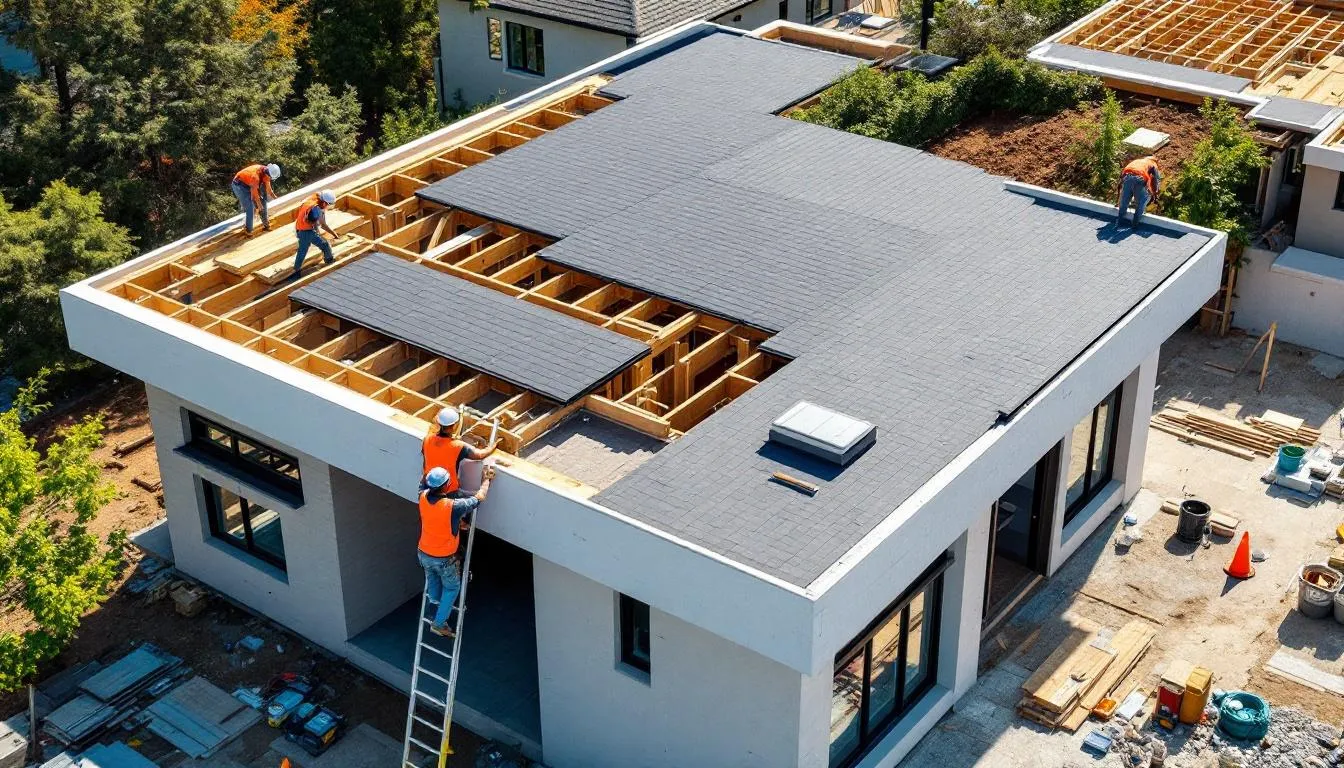
The national average for a complete roof replacement ranges from $8,500 to $24,000 for typical residential homes, with most homeowners paying between $12,000 and $18,000 for mid-grade asphalt shingles on a standard 1,500 to 2,000 square foot roof. However, these averages can be misleading because roof replacement costs vary significantly based on materials, complexity, and regional factors.
Cost per square foot varies dramatically depending on your material choice, ranging from $5 for basic asphalt shingles to $20 or more for premium materials like slate or copper roofing. The roofing industry typically prices projects per “roofing square,” which equals 100 square feet of roof area, making it easier to calculate costs regardless of your roof’s specific dimensions.
Most homeowners with 1,500-2,000 square foot roofs pay between $12,000 and $18,000 for mid-grade architectural asphalt shingles, including tear-off of the existing roof, new underlayment, flashing, and installation. This represents the most common roofing material choice and provides a good baseline for comparison with other options.
Regional variations can increase or decrease costs by 15-30% based on local labor rates and material availability. For example, homeowners in high-cost areas like Northern California or New York City may pay $15,000-$30,000 for the same roof that costs $10,000-$15,000 in markets like Nashville, Tennessee or other lower-cost regions.
| Project Scope | Low-End Cost | Average Cost | High-End Cost |
|---|---|---|---|
| Basic Asphalt (1,500 sq ft) | $7,500 | $12,000 | $16,000 |
| Mid-Grade Asphalt (1,500 sq ft) | $9,000 | $15,000 | $21,000 |
| Premium Materials (1,500 sq ft) | $15,000 | $25,000 | $40,000+ |
Roof Replacement Cost by House Size
Your roof’s square footage is one of the primary factors determining replacement costs, though it’s important to note that roof square footage often differs from your home’s living space due to overhangs, roof pitch, and architectural features. A 1,500 square foot house might have a 1,700 square foot roof due to these factors.
For a 1,000 square foot roof, expect to pay $5,000-$15,000 depending on materials and complexity. This size typically covers smaller homes, condos, or houses with simple roof designs. Even at this size, material choice makes a dramatic difference—basic asphalt shingles might cost $5,000-$8,000, while premium materials could reach $12,000-$15,000.
A 1,500 square foot roof costs $7,500-$22,500 for standard to premium material options. This represents the most common residential roof size and provides the best value for material and labor efficiency. Most roofing contractors offer competitive pricing for this size range since it’s their bread-and-butter work.
For a 2,000 square foot roof, costs range from $10,000-$30,000 covering basic asphalt to high-end metal or tile options. Larger roofs benefit from economies of scale in labor efficiency, but material costs increase proportionally. The wider cost range reflects the significant impact of material choice at this size.
A 2,500+ square foot roof requires $12,500-$40,000+ for larger homes with more complex roof structures. These projects often involve multiple roof levels, additional penetrations, and more complex designs that increase both material costs and labor requirements. Premium materials like slate roofs or copper roofing can push costs well above $40,000 for homes this size.
New Roof Cost by Material Type
Material selection represents the single biggest factor affecting your roof replacement cost, with options ranging from budget-friendly asphalt shingles to luxury slate tiles that can last over a century.
Each roofing material offers different benefits, lifespans, and aesthetic appeals that justify their price differences.
Asphalt shingles
Asphalt shingles cost $5-$8 per square foot and last 15-25 years, making them the most common roofing material for budget-conscious homeowners.
Architectural asphalt shingles offer better durability and appearance than basic 3-tab shingles for about $1-2 more per square foot. These shingles work well in most climates and provide adequate protection for the majority of homes.
Metal roofing
Metal roofing costs $8-$14 per square foot and lasts 30-50 years, offering excellent energy efficiency and durability.
A new metal roof reflects heat effectively, potentially reducing cooling costs by 10-25% in hot climates. Metal roofs resist fire, wind, and hail damage better than most alternatives, making them popular in areas prone to severe weather.
Wood shingles
Wood shingles range from $7-$12 per square foot and last 20-30 years, providing premium aesthetic appeal but requiring regular maintenance.
Cedar and other wood shingles offer natural beauty and good insulation properties, but they require treatment for fire resistance and regular maintenance to prevent rot and insect damage.
Clay and concrete tiles
Clay and concrete tiles cost $10-$18 per square foot and last 50+ years, making them ideal for Mediterranean or southwestern architectural styles.
These materials excel in hot, dry climates and provide excellent fire resistance, but their weight requires structural evaluation before installation.
Slate roofing
Slate roofing represents the premium option at $15-$25 per square foot, lasting 75-100+ years with proper installation and maintenance.
Slate tiles offer unmatched longevity and classic appearance, but the high upfront cost and specialized installation requirements limit their appeal to luxury homes and historic renovations.
Factors That Affect New Roof Pricing
Beyond basic square footage and roofing materials, several key factors significantly impact your roof replacement cost. Understanding these variables helps you budget accurately and avoid surprise expenses during your roof replacement project.
Location plays a major role, with labor costs varying dramatically between regions. Metropolitan areas typically charge 25-50% more than rural markets due to higher wages, stricter building codes, and increased demand for quality roofing contractors. Coastal areas may require specialized materials for wind or salt resistance, adding to overall costs.
Roof accessibility affects labor costs and project timeline. Single-story homes with easy access cost less to roof than multi-story homes requiring additional safety equipment and slower work pace. Tight spaces, landscaping obstacles, and limited parking for materials can increase labor costs by 10-20%.
Permit and inspection requirements vary by municipality, typically adding $100-$500 to your project cost. Reputable roofing contractors handle permit applications and coordinate inspections, but these costs should be factored into your budget. Some areas require engineers to approve roofing plans for structural modifications or premium materials.
1. Labor and Installation Costs
Labor represents 60-70% of your total roof replacement cost, typically ranging from $3-$7 per square foot depending on your region and project complexity.
This significant percentage makes contractor selection crucial for both quality and pricing, as choosing the wrong contractor can cost thousands in poor workmanship or delays.
Experienced roofing crews charge $75-$150 per hour depending on region and complexity, but their efficiency often makes them more cost-effective than cheaper alternatives. A skilled crew might complete in two days what an inexperienced team takes four days to finish, potentially saving money despite higher hourly rates.
Installation time varies from 1-3 days for simple roofs to 1-2 weeks for complex designs involving multiple levels, steep pitches, or intricate architectural features. Weather delays can extend timelines, particularly during winter months or rainy seasons, potentially increasing labor costs if crews need to make multiple trips.
Quality roofing contractors may cost more upfront but provide better manufacturer warranties and workmanship guarantees that protect your investment.
Many material warranties require professional installation by certified contractors, making DIY installation or hiring unlicensed workers a risky proposition that could void protections.
2. Roof Complexity and Design
Simple gable roofs cost least to install, while hip roofs and complex multi-level designs add 20-40% to labor costs due to increased cutting, fitting, and safety requirements.
Roof complexity significantly impacts both material waste and installation time, making design a key cost factor.
Steep roof pitch over 6/12 (6 inches of rise per 12 inches of horizontal distance) increases safety requirements and installation time, adding $1-3 per square foot to your project cost.
The roof’s pitch affects not only labor costs but also material requirements, as steeper roofs need additional fasteners and safety features.
Multiple chimneys, skylights, and roof penetrations each add $200-$800 to your total project cost depending on their size and complexity. These features require careful flashing installation and often custom fitting of roofing materials, increasing both labor time and material costs.
Multi-story homes require additional safety equipment and slower work pace, increasing labor costs by 15-25% compared to single-story installations. Height restrictions, OSHA safety requirements, and the need for specialized equipment all contribute to higher costs on taller structures.
3. Removal and Disposal Costs
Tearing off your existing roof adds $1-$3 per square foot for labor and disposal fees, but most manufacturers recommend full tear-off for warranty coverage and optimal performance.
While overlaying new shingles over old ones costs less initially, it can lead to premature failure and void manufacturer warranties.
Multiple layers of old shingles increase removal costs significantly, sometimes doubling disposal fees and adding extra labor time. Many building codes limit the number of shingle layers allowed, often requiring tear-off when two layers already exist.
Disposal costs vary by region, typically ranging from $300-$1,200 for average residential projects depending on local landfill fees and hauling distances. Some contractors include disposal in their base pricing while others charge separately, so clarify this in your contract negotiations.
Hazardous material disposal, particularly for homes built before 1980 that may contain asbestos in roofing materials, can add significant costs and require specialized removal procedures.
Professional testing and certified removal can cost $1,000-$3,000 additional, but it’s legally required in many areas.
Additional Roof Components and Their Costs
A complete roof replacement involves more than just the visible roofing material. Several components work together to create a weather-tight system that protects your home, and each adds to your total project cost.
Underlayment replacement costs $0.50-$1.50 per square foot for quality moisture barrier installation. This critical component sits between your roof decking and shingles, providing secondary protection against water infiltration. Premium synthetic underlayment costs more than basic felt but offers superior durability and weather resistance.
Flashing around chimneys, vents, and roof penetrations costs $200-$500 per area depending on complexity and materials used. Proper flashing installation prevents most roof leaks, making it essential for long-term performance. Aluminum and galvanized steel flashing offer good value, while copper flashing provides premium durability at higher cost.
Gutters and downspouts cost $5-$15 per linear foot if replacement is needed during your roof project. Many homeowners coordinate gutter replacement with roofing to achieve better integration and potentially save on labor costs. Seamless gutters cost more than sectional systems but provide better performance and appearance.
Ridge vents and ventilation systems cost $300-$800 for proper attic airflow that extends roof life and improves energy efficiency. Proper ventilation prevents ice dams in cold climates and reduces heat buildup in hot weather, making it a worthwhile investment for most homes.
Ice and water shield costs $0.75-$1.25 per square foot for areas prone to ice dams or severe weather. This self-adhering membrane provides extra protection in vulnerable areas like eaves, valleys, and around penetrations. Building codes in northern climates often require ice barriers, making them a necessary expense rather than an option.
How to Save Money on Your New Roof
Getting multiple quotes from licensed roofing contractors helps you compare pricing and scope while ensuring competitive rates. Aim for at least three detailed estimates that break down material costs, labor costs, and additional services to make accurate comparisons.
Scheduling installation during off-peak seasons like late fall or winter can provide 10-20% savings in many markets. Roofing contractors often offer discounts during slower periods to maintain steady work, though weather delays may extend project timelines in northern climates.
Consider mid-grade materials instead of premium options for good value without sacrificing quality. Architectural asphalt shingles offer significant improvements over basic 3-tab shingles for modest additional cost, while premium materials like slate or metal roofing provide luxury features that may not justify their cost for many homeowners.
Check if your homeowner’s insurance covers any storm damage before paying out of pocket for a full roof replacement. Many policies cover wind, hail, or other weather-related damage, potentially saving thousands on legitimate claims. Work with your insurance company and contractor to document damage properly.
Bundle roofing with other exterior work like gutters, siding, or painting to receive contractor discounts on multiple services. Many contractors offer package pricing that reduces overall costs compared to hiring separate specialists for each project.
Avoid the lowest bidders who may cut corners on materials or workmanship, but negotiate reasonable pricing with qualified contractors who demonstrate proper licensing, insurance, and references. Quality work costs more upfront but prevents expensive problems later.
When to Replace vs Repair Your Roof
Replace your roof if it’s over 20 years old with widespread shingle damage, multiple leaks, or visible structural issues. An aging roof with extensive problems typically costs more to repair repeatedly than replacing once with quality materials and installation.
Repair makes sense if damage is localized to small areas and your roof is under 15 years old with otherwise good condition. Minor repairs like replacing missing shingles, fixing small leaks, or addressing isolated damage can extend roof life cost-effectively.
Consider replacement if repair costs exceed 25-30% of full replacement cost, as this represents poor value for temporary fixes. Multiple repair estimates help determine whether partial fixes make financial sense or full replacement provides better long-term value.
Missing or curled shingles, significant granule loss, and daylight visible through roof boards indicate replacement needs rather than repair options. These symptoms suggest systematic failure that repairs can’t address effectively.
A professional roof inspection costs $200-$400 and provides expert assessment of repair versus replace decisions. Qualified inspectors identify problems you might miss and provide detailed reports that help you make informed choices about your roof’s future.
Choosing the Right Roofing Contractor
Verify licensing, insurance, and local Better Business Bureau ratings before hiring any roofing contractor. Proper credentials protect you from liability and ensure contractors meet professional standards for quality and business practices.
Look for roofing contractors with 10+ years of experience and strong local references from recent projects. Established contractors with long track records provide stability and accountability that newer companies may lack. Ask for references and follow up with previous customers about their experience.
Get detailed written estimates including materials, labor, timeline, and warranty information from each contractor you consider. Written estimates prevent misunderstandings and provide legal protection if disputes arise. Compare not just total costs but also what’s included in each estimate.
Avoid door-to-door solicitors and require proof of worker’s compensation insurance before allowing any work to begin. Legitimate contractors don’t need to solicit door-to-door, and proper insurance protects you from liability if workers are injured on your property.
Quality roofing contractors provide manufacturer warranties on materials and workmanship guarantees that protect your investment for years. Understand what’s covered, how long coverage lasts, and what actions might void your warranties. Get warranty information in writing as part of your contract.
A reputable roofing contractor will conduct a thorough roof inspection before providing estimates, explaining their findings and recommendations clearly. They should be willing to answer questions, provide references, and work with your insurance company if applicable.