UPDATED FOR 2025
How Energy-Efficient Roofing Pays for Itself
Learn how an energy-efficient roof pays for itself, including real cost breakdowns, examples, tips, and more.
Key Takeaways:
- Energy-efficient roofing upgrades deliver measurable financial returns for Long Island homeowners.
- Investment ranges: $1,000-6,700 depending on upgrades selected
- Payback periods: 4-7 years for most scenarios with conservative calculations
- 30-year net savings: $6,350-29,000 after recovering initial investment
- Annual savings potential: As much as 1,200 depending on current conditions and upgrades chosen
- Best time to upgrade: During scheduled roof replacement when incremental costs are lowest
- Highest-return: Reflective shingles + proper ventilation + R-49 insulation delivers $980 annual savings with 5.3-year payback
- Additional benefits beyond utility bills: Increased home value (3-5%), extended roof lifespan (3-5 years), improved HVAC longevity, potential tax credits and rebates
Your Long Island roof does more than keep rain out—it’s either costing you money every month or helping you save.
Energy-efficient roofing upgrades pay for themselves through lower utility bills. The question isn’t whether they save money—it’s how quickly you’ll break even and start profiting.
With PSEG Long Island rates averaging $0.21 per kWh and summer cooling costs hitting $300-400 monthly for typical homes, high cooling bills can quickly add up. Energy-efficient roofing materials with reflective coatings and proper installation can significantly reduce your cooling bills during hot months.
County Roofing Systems has installed hundreds of energy-efficient roofs across Long Island. We’ve seen the utility bills before and after. The savings are real, measurable, and substantial.
Let’s calculate exactly how much you’ll save and when your investment pays off.
Understanding Long Island’s Energy Challenge
Long Island faces unique conditions that drive energy costs higher than most regions.
Summer heat and humidity combine brutally. July and August regularly hit 85-90°F with high humidity. Your AC runs constantly trying to overcome heat radiating through your roof into your attic.
Winter heating expenses pile up quickly. January temperatures drop to 20-30°F. Poor attic insulation and ventilation let expensive heat escape directly through your roof.
PSEG Long Island rates aren’t cheap. At roughly $0.21 per kWh, Long Island electricity costs run about 60% above the national average. Every wasted kilowatt-hour hits your wallet harder here.
Older homes lack modern efficiency. Many Long Island homes were built before energy codes emphasized insulation and ventilation. Your roof might be hemorrhaging conditioned air without you realizing it.
The average Long Island household spends $2,400-3,200 annually on electricity. Cooling and heating account for 50-70% of that total.
Your roof directly impacts those costs.
Residential roofing choices, such as energy-efficient materials and modern installation methods, play a significant role in helping Long Island homeowners manage and reduce their energy expenses.
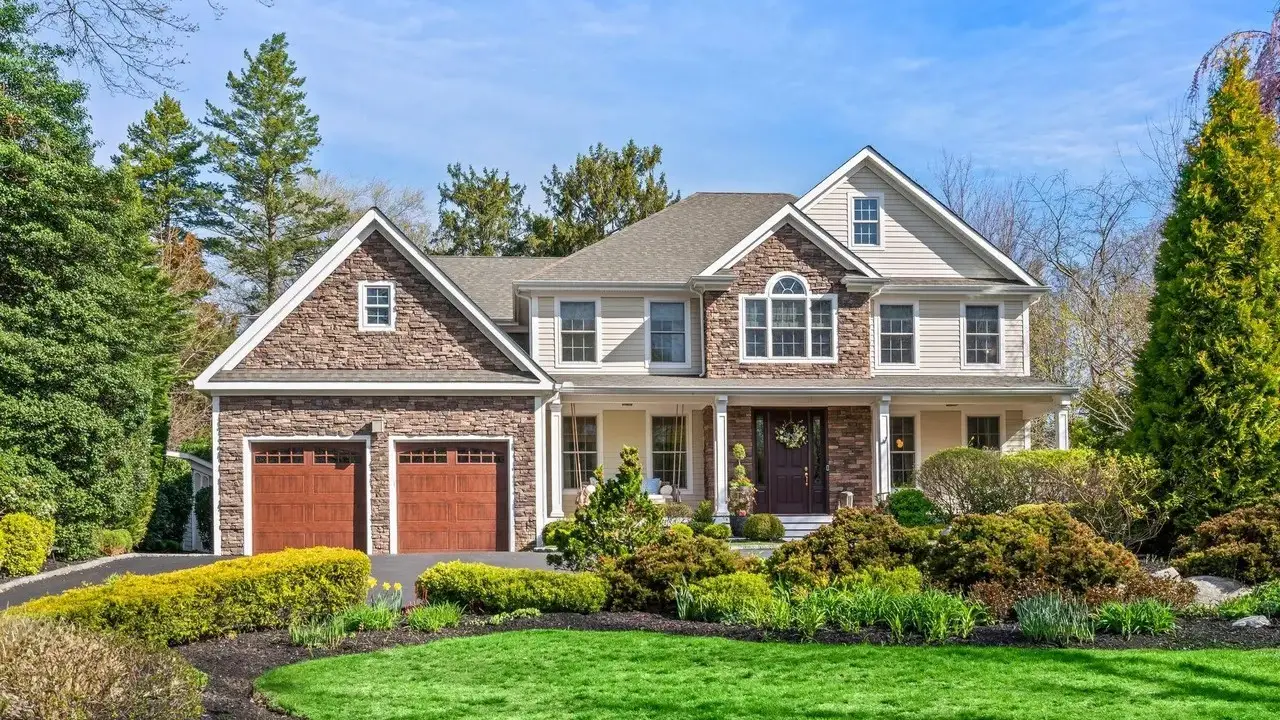
Energy-Efficient Roofing Components That Save Money
Four upgrades deliver measurable utility savings. Homeowners have several roofing options to improve energy efficiency and reduce costs. Each provides different benefits, and combining them multiplies the impact.
Reflective Shingles (Cool Roofing Technology)
Standard asphalt shingles absorb 85-95% of solar radiation. Traditional asphalt shingles often lack solar-reflective properties, but newer energy efficient asphalt shingles use cool colored granules and reflective mineral granules to improve solar reflectance. These advancements help reduce heat absorption for your asphalt roof.
The most energy efficient shingles are specifically designed for reflecting sunlight and are available in colors like light gray to maximize performance. Compared to traditional asphalt shingles, modern energy efficient options offer significantly better energy performance, helping to keep your home cooler and lowering cooling costs.
Reflective shingles with cool roofing technology reflect 25-40% more solar radiation. Advanced granule coatings bounce sunlight away instead of absorbing it.
How they save money: Lower attic temperatures mean less heat transfers into living spaces. Your AC doesn’t work as hard maintaining comfortable temperatures.
Long Island summer impact: Reflective shingles typically reduce attic temperatures by 10-20°F compared to standard shingles.
Cost difference: Reflective shingles add $500-1,500 to roof replacement depending on home size—roughly 5-10% premium over standard architectural shingles.
Proper Attic Ventilation
Inadequate ventilation traps hot air in summer and moisture in winter, leading to heat buildup in the attic. Both conditions waste energy and damage roofing materials.
Balanced ventilation systems use intake vents (soffit vents) and exhaust vents (ridge vents or roof vents) to create natural airflow that removes hot air and moisture while bringing in cooler air. This improves energy efficiency by maintaining a better temperature balance under the roof.
How it saves money: Summer ventilation removes hot air before it radiates into living spaces. Winter ventilation prevents moisture buildup that reduces insulation effectiveness and causes ice dams.
Long Island climate benefit: Our humid summers make ventilation especially important. Trapped moisture reduces insulation R-value by up to 50%, destroying its effectiveness.
Cost range: Adding or upgrading ventilation during roof replacement costs $800-2,000 depending on complexity—often just $1,200 for typical installations.
Enhanced Attic Insulation
Most Long Island homes have R-30 to R-38 attic insulation. Current energy codes recommend R-49 to R-60 for our climate zone (Zone 4A).
The difference between R-38 and R-49 might seem small, but the energy savings are substantial. Adding additional insulation during roof work can significantly improve thermal performance and energy efficiency.
How it saves money: Better insulation creates a stronger thermal barrier. Less summer heat penetrates down. Less winter warmth escapes up. Your HVAC systems cycle less frequently.
Long Island homes benefit significantly. Many older homes have settled insulation providing just R-25 to R-30 actual performance. Upgrading to R-49 often doubles thermal resistance.
Cost considerations: Adding insulation during roof work costs $1.50-3.00 per square foot. A typical 1,500 square foot attic runs $2,250-4,500 for professional installation.
Radiant Barriers (Advanced Option)
Radiant barriers are reflective materials installed under roof decking or on attic floors.
For maximum effectiveness, radiant barriers should be installed with an air space between the barrier and the roof deck, as this air space enhances the barrier’s ability to reflect heat and improve energy efficiency. They reflect radiant heat rather than absorbing it.
How they save money: Radiant barriers reduce radiant heat transfer by up to 97%. Your attic stays significantly cooler even with standard shingles.
Best for Long Island conditions: Radiant barriers deliver maximum benefit in hot climates with significant cooling loads—exactly what Long Island summers provide.
Cost factor: Radiant barrier installation adds $0.50-1.50 per square foot. Typical installations run $750-2,250.
FINANCE YOUR HOME IMPROVEMENT PROJECT TODAY
0% Financing, Quick and Easy Approval
With nearly four decades serving homeowners under our belt, we know what’s needed to make your roofing project a success.
When you work with County Roofing, you get only the best. As little as 0% interest on approval for 5 years, quick approval, easy pay, and all backed by the best guarantees in the industry.
Calculating Your Long Island Energy Savings
Let’s run real numbers for a typical 2,000 square foot Long Island home. These upgrades are designed to deliver lower energy bills for homeowners, providing long-term savings and improved efficiency.
Baseline: Current Energy Usage
Summer cooling (June-September): 4 months at $350/month = $1,400 annually
Winter heating (November-March): 5 months at $280/month = $1,400 annually (assuming natural gas supplemented by electric heat pump)
Total annual heating/cooling: $2,800
Percentage influenced by roof: Approximately 30-40% of cooling costs and 20-30% of heating costs relate directly to roof performance.
Scenario 1: Reflective Shingles Only
Investment: $1,000 over standard shingles
Cooling cost reduction: 15-20% (average 17.5%)
Annual savings: $1,400 × 17.5% = $245 in cooling savings
Applying a cool roof coating is another way to enhance reflectivity and energy savings, especially for certain roof types.
Payback period: $1,000 ÷ $245 = 4.1 years
30-year net savings: ($245 × 30) – $1,000 = $6,350
Scenario 2: Reflective Shingles + Proper Ventilation
Investment: $1,000 (shingles) + $1,200 (ventilation) = $2,200
Cooling cost reduction: 25-30% (average 27.5%)
Heating efficiency improvement: 8-12% (moisture control improves insulation, average 10%)
Annual savings: ($1,400 × 27.5%) + ($1,400 × 10%) = $385 + $140 = $525
Payback period: $2,200 ÷ $525 = 4.2 years
30-year net savings: ($525 × 30) – $2,200 = $13,550
Combining reflective shingles and proper ventilation is an effective way to improve energy efficiency and maximize savings.
Scenario 3: Shingles + Ventilation + Insulation to R-49
Investment: $1,000 + $1,200 + $3,000 = $5,200
Cooling cost reduction: 35-45% (average 40%)
Heating efficiency improvement: 25-35% (average 30%)
Annual savings: ($1,400 × 40%) + ($1,400 × 30%) = $560 + $420 = $980
Payback period: $5,200 ÷ $980 = 5.3 years
30-year net savings: ($980 × 30) – $5,200 = $24,200
By combining multiple upgrades as a complete energy package, homeowners can save more energy compared to making single improvements alone.
Scenario 4: Radiant Barrier
Investment: $1,000 + $1,200 + $3,000 + $1,500 = $6,700
Cooling cost reduction: 45-55% (average 50%)
Heating efficiency improvement: 30-40% (average 35%)
Annual savings: ($1,400 × 50%) + ($1,400 × 35%) = $700 + $490 = $1,190
Payback period: $6,700 ÷ $1,190 = 5.6 years
30-year net savings: ($1,190 × 30) – $6,700 = $29,000
This option uses all of the tools mentioned above as well as a radiant barrier, which can make a huge difference in both your comfort and energy savings, delivering significant long-term value.
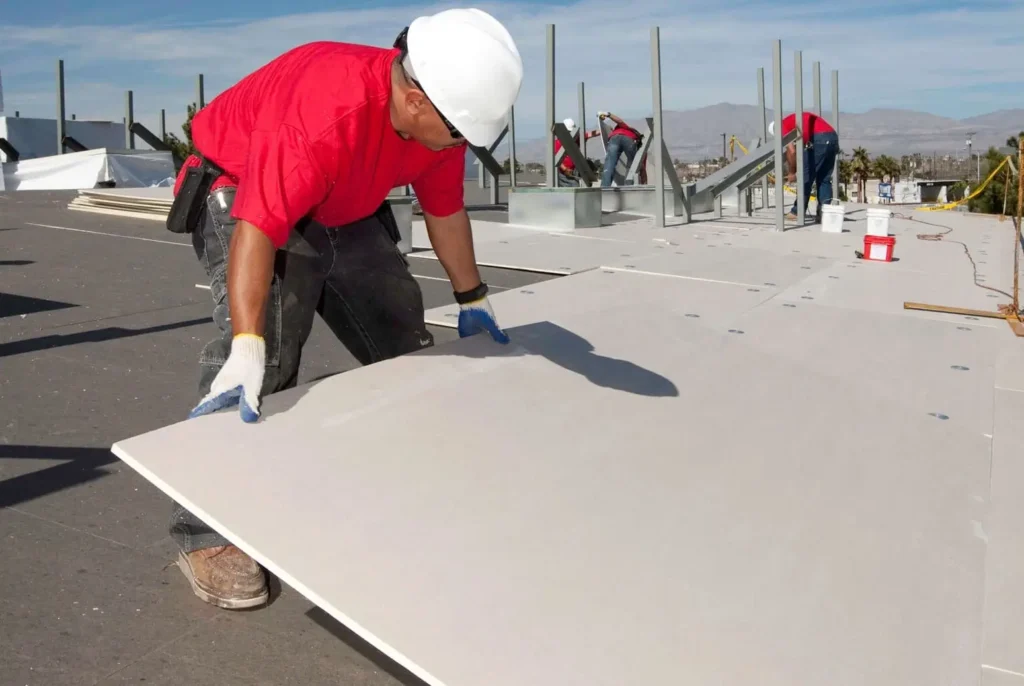
Real Long Island Case Study
Location: Massapequa, NY – 2,400 sq ft ranch built 1968
Working with County Roofing’s experienced team was essential for getting the most energy efficient upgrades without skimping elsewhere on roofing material quality.
Let’s see the breakdown:
Before upgrade: Standard dark gray shingles, minimal soffit venting, R-30 insulation
Summer AC bills: $380-420 monthly (June-September)
Winter heating: $320-360 monthly (December-February)
Upgrades installed: GAF Timberline HDZ in lighter “Weathered Wood” color (reflective granules), complete ridge and soffit ventilation system, insulation boosted to R-49
Investment: $8,500 (portion of $22,000 roof replacement attributable to energy upgrades)
Results after first full year:
Summer AC bills: $260-290 monthly (28% reduction)
Winter heating: $250-280 monthly (22% reduction)
Annual savings: $840 in cooling, $360 in heating = $1,200 total
County Roofing can help local Long Island and Westchester homeowners select the best roofing upgrades for their needs, ensuring maximum energy efficiency and comfort.
Payback period: $8,500 ÷ $1,200 = 7.1 years
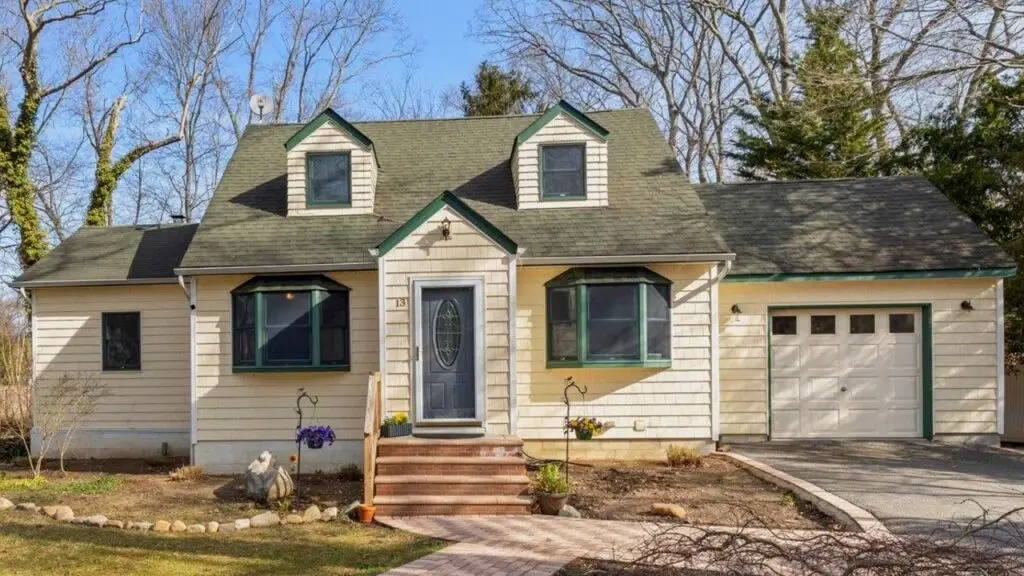
Additional Financial Benefits Beyond Direct Savings
Energy-efficient roofing delivers value beyond monthly utility bills. In fact, energy-efficient roofing offers several benefits beyond just energy savings.
Increased Home Resale Value
Energy-efficient homes sell faster and for more money.
A home’s energy efficiency is a key selling point for today’s buyers, who are looking for properties that help reduce energy costs and improve comfort. Long Island buyers increasingly prioritize energy costs when comparing properties.
Market data shows: Homes with documented energy upgrades sell for 3-5% more than comparable homes. On a $600,000 Long Island home, that’s $18,000-30,000 additional value.
Energy certifications help. If your improvements qualify for Energy Star certification or similar ratings, that documentation attracts buyers and justifies premium pricing.
Extended Roof Lifespan
Proper ventilation and lower attic temperatures reduce thermal stress on roofing materials.
Standard shingles: 20-25 year lifespan in typical conditions
Same shingles with superior ventilation and cool roofing: 25-30+ year lifespan
Financial impact: Delaying your next roof replacement by even 3-5 years saves thousands in future costs. At 2% annual inflation, a $20,000 roof replacement 5 years from now costs $22,100.
Improved HVAC Longevity
Your HVAC systems work less when your roof isn’t pumping heat into or sucking heat from your home.
Reduced cycling extends equipment life. An AC system running 30% less often lasts years longer before requiring replacement.
Long Island HVAC replacement costs: $6,000-12,000 for typical systems. Extending equipment life by 2-3 years delivers real savings.
Utility Rebates and Tax Credits
Federal tax credits: The Inflation Reduction Act provides tax credits for qualifying energy-efficient improvements including certain roofing products and insulation. Credits can cover 10-30% of materials costs up to specified limits.
PSEG Long Island rebates: Check current rebate programs. PSEG periodically offers rebates for insulation upgrades and energy-efficient improvements.
New York State programs: NYS periodically runs energy efficiency incentive programs. These change frequently, so check current offerings.
Combined incentives can reduce upfront costs by $500-2,000 depending on upgrades selected and program availability.
THE BEST GUARANTEE IN THE INDUSTRY
50-Year Material, 25-Year Labor Guarantee
We’ve met the toughest requirements in the residential roofing industry- and we use only the best materials.
That’s why we stand behind our work with the best guarantee in the industry– including warranties only 2% of roofing companies can offer.
Your house deserves the best roofing warranty on the market. Give us a call today and get a brand new roof with a 50-year material, 25-year labor warranty from the best roofing contractor in Long Island and New York.
When Energy Upgrades Make the Most Sense
Not every situation demands every upgrade. Focus on what delivers maximum return for your specific circumstances.
Installing a new roof or planning new construction are the best times to incorporate energy-efficient roofing features, as these upgrades are easiest and most cost-effective during these phases.
You Need Roof Replacement Anyway
This is the ideal time. You’re already paying for tear-off, disposal, and installation labor. The incremental cost for energy upgrades is lowest during replacement.
Example: Adding $3,000 in energy features to a $17,000 roof replacement (18% increase) delivers better value than paying $5,000+ for separate attic improvements later.
Financing the full project together often yields better terms than financing upgrades separately.
Your Summer AC Bills Exceed $300 Monthly
High cooling costs signal poor roof performance. If you’re spending $300-400+ monthly on summer AC, your roof is likely contributing significantly to those costs.
Poor roof performance increases your home’s energy consumption, especially during peak cooling months.
Energy upgrades targeting cooling (reflective shingles, ventilation, radiant barriers) deliver fastest payback when baseline cooling costs are high.
Every 10% reduction saves $30-40 per month during peak cooling season—$120-160 annually just from summer months.
Your Home Has Original Insulation (Pre-1990s Construction)
Older insulation has settled and degraded. What was R-30 when installed might provide R-22 actual performance after 30+ years.
Building codes have advanced. Insulation standards from 1970s-1980s are inadequate by current knowledge. Upgrading delivers dramatic improvements.
Combined with roof replacement makes perfect sense since contractors already have attic access for installation work.
You Plan to Stay Long-Term (5+ Years)
Payback periods range 4-7 years typically. If you’re selling within 2-3 years, energy upgrades might not pay off before you move.
But staying 10-15+ years? You’ll enjoy 5-10 years of pure profit after breaking even, plus the increased resale value when you eventually sell.
Long-term ownership maximizes returns from energy-efficient improvements.
What County Roofing Systems Recommends
We install roofs across Long Island daily. Here’s our honest assessment based on three decades of experience.
The “Sweet Spot”
For most Long Island homeowners replacing roofs, we recommend:
Different roof types offer varying levels of energy efficiency, and considering the thermal mass of roofing materials can further optimize your home’s performance and comfort.
Reflective architectural shingles in lighter colors—adds minimal cost with solid returns
Complete ventilation system properly balanced with adequate intake and exhaust—essential for Long Island’s humidity
Insulation to R-49 if current levels are below R-38—significant savings justify the investment
Total 30-year net savings: $15,000-20,000
When to Go for More
Some situations justify maximum investment:
Large homes (3,000+ sq ft) with proportionally higher energy usage
Homes with second-floor living spaces directly under the roof where heat impact is most severe
Properties with significant south/west roof exposure receiving maximum solar radiation
Homeowners with 15+ year time horizons who’ll maximize long-term returns

Budget-Conscious Approach
Tight budget but want some benefit?
Prioritize ventilation above everything else—costs least, delivers broad benefits including roof longevity
Choose lighter-colored standard shingles rather than premium cool roof products—captures some reflective benefit at minimal cost.
Alternatively, consider energy efficient shingles as a cost-effective way to improve your home’s energy performance and comfort without breaking the bank.
Plan insulation upgrade separately within 2-3 years when finances allow—ventilation makes insulation more effective when you add it.
Fill out the form below or give us a call today at (631) 400-7663:
County Roofing Systems’ Energy-Efficient Installation Process
We’ve refined our approach over 35+ years installing roofs across Long Island.
Our process starts with a thorough inspection and consultation to understand your needs. We then recommend the best roofing materials for your home, focusing on both energy performance and water resistance to prevent leaks and water penetration.
Detailed Energy Assessment
Before recommending specific upgrades, we evaluate your current situation:
Attic inspection assessing existing insulation type, thickness, condition, and coverage
Ventilation evaluation calculating current ventilation ratios and identifying deficiencies
Thermal imaging (when appropriate) identifying heat loss patterns and problem areas
Energy usage review examining your utility bills to establish baseline costs
Customized Recommendations
We don’t sell one-size-fits-all packages. Your home’s specific conditions determine optimal approaches.
Homes with good existing insulation might need only shingles and ventilation
Poorly insulated homes benefit most from comprehensive upgrades
Budget constraints might suggest phased approaches prioritizing highest-return items first
Professional Installation
Energy-efficient roofing requires precision. Poor installation negates potential savings.
Proper ventilation balance between intake and exhaust—essential for performance
Complete insulation coverage including hard-to-reach areas many contractors skip
Air sealing around penetrations and gaps before adding insulation—critical for effectiveness
Quality materials from manufacturers with proven energy performance data
Performance Verification
After installation, we verify system performance:
Ventilation airflow checked using smoke tests or airflow measurements
Insulation depth verified meeting specified R-values throughout attic
Documentation provided for tax credits and rebate applications
Baseline established so you can track actual energy savings
Start Saving Money with Your Next Roof
Energy-efficient roofing isn’t about being “green”—it’s about being smart with your money.
The numbers are straightforward. The savings are real. The payback is predictable.
You’re replacing your roof anyway. Why not choose options that cut your utility bills, increase your home’s value, and provide superior comfort?
County Roofing Systems has installed energy-efficient roofs across Long Island for over 35 years. We’ve calculated the returns. We’ve measured the savings. We’ve seen the utility bills before and after.
The math works. The investment pays off. Your comfort improves immediately.
Ready to calculate your specific savings potential? Call County Roofing Systems at (631) 400-7663 for your free energy-efficient roofing consultation. We’ll evaluate your current roof, assess your energy usage, and show you exactly how much you’ll save.
Your roof should make you money, not cost you money every month. Let’s make that happen.
Frequently Asked Questions
Will lighter shingles show dirt and look dingy?
Modern shingles with algae-resistant granules stay cleaner longer regardless of color. Lighter colors actually show less organic staining than dark shingles.
We’ve installed thousands of lighter-colored roofs across Long Island. They maintain appearance just as well as dark options.
How much will energy efficient roofing really save me—aren't estimates optimistic?
Our calculations use conservative figures. Many homeowners see larger savings, especially those with older, poorly-insulated homes.
Your actual savings depend on current conditions, upgrade extent, HVAC efficiency, thermostat settings, and home usage patterns.
We can evaluate your specific situation during inspection and provide customized estimates based on your home’s current state.
Can I add energy-efficient roofing features to my existing roof?
Ventilation upgrades are possible on existing roofs, though less cost-effective than during replacement.
Insulation and radiant barriers can be added anytime since they’re installed in the attic, not on the roof itself.
Reflective shingles obviously require roof replacement.
The most economical approach combines everything during scheduled roof replacement.
Do energy-efficient roofs really last longer?
Yes, measurably. Lower attic temperatures reduce thermal cycling stress on shingles. Proper ventilation prevents moisture damage.
We regularly see energy-efficient installations lasting 3-5 years beyond standard installations using identical shingle products.
What about Long Island's winter—does energy-efficient roofing help with heating too?
Absolutely. Proper insulation and ventilation are actually MORE important for heating efficiency than cooling.
Heat rises. Poor attic insulation lets expensive warmth escape. Moisture from inadequate ventilation reduces insulation effectiveness.
Energy-efficient roofing delivers year-round benefits, not just summer savings.