UPDATED FOR 2025
Flat Roof Installation: Is a Flat Roof Right for Your Property?
Learn why BLANK and how to BLANK, as well as BLANK, BLANK, and more.
Key Takeaways:
- Flat roofs aren’t actually flat, they require a minimum 1/4 inch per foot slope for proper drainage
- Material selection matters enormously, EPDM, TPO, PVC, and modified bitumen each suit different applications
- Professional installation is critical, even premium materials fail without proper technique and attention to detail
- Residential and commercial applications differ, commercial flat roofs face unique demands requiring specialized expertise
- Long-term performance depends on proper drainage, multiple drainage points prevent water pooling and extend roof lifespan
Your Flat Roof Deserves Expert Installation
That flat roof over your porch, garage, or entire building isn’t as simple as it looks.
One wrong step during installation, improper slope, inadequate waterproofing, poor seam sealing, and you’re facing leaks, water damage, and costly repairs within a few years.
Professional flat roof installation makes the difference between decades of reliable protection and recurring problems that drain your budget. Choosing a skilled roofing contractor for your flat roof installation is crucial to ensure the job is done right the first time.
County Roofing Systems has installed flat roofs across Long Island and Westchester County for over 35 years. We’ve handled everything from small residential additions to large commercial buildings, using premium materials and proven installation techniques that deliver lasting
performance. Careful planning at every stage—from design to material selection and installation—is essential for a successful flat roof that stands the test of time.
This guide explains exactly what professional flat roof installation involves and why expertise matters more than you might think.
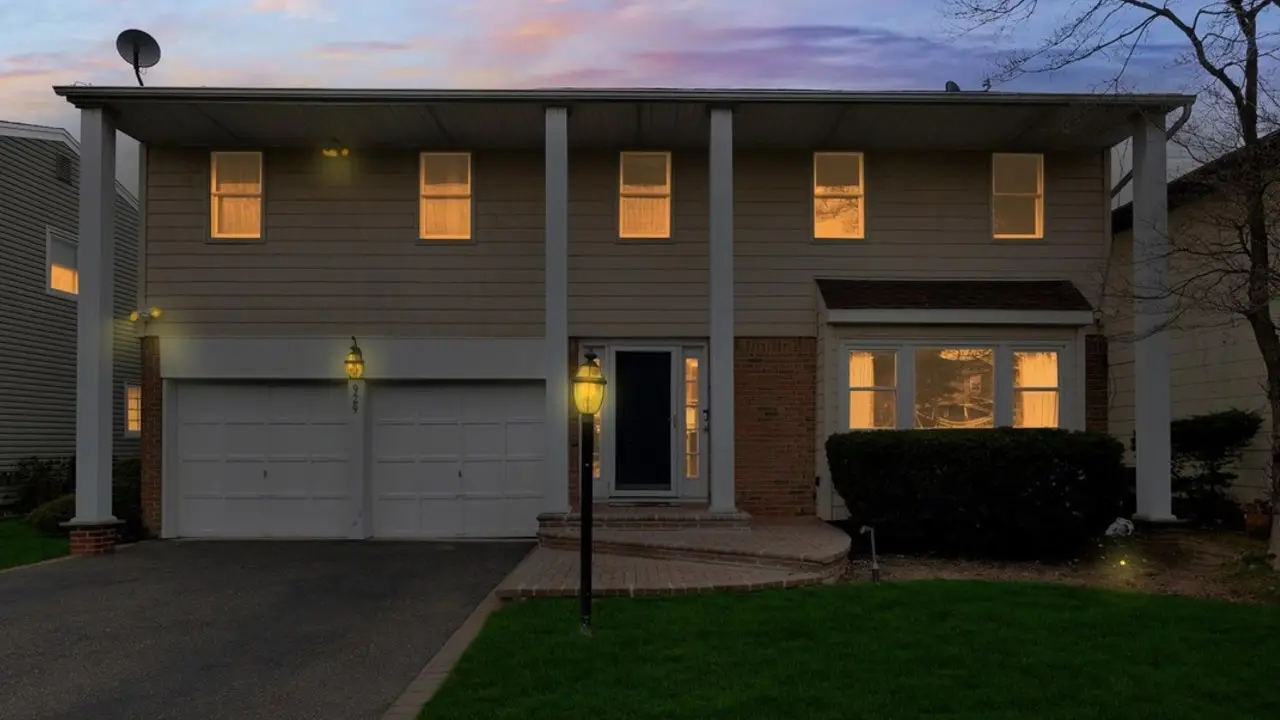
What Is Flat Roof Installation?
Flat roof installation involves creating a complete roofing system on buildings with minimal slope, typically less than 3:12 pitch.
A flat roof system is a layered construction that includes essential components such as vapor barriers, insulation, and a roof deck, all working together to provide protection and energy efficiency.
Despite the name, truly flat roofs don’t exist in proper construction. Every flat roof requires subtle slope directing water toward drainage points.
Flat roofs serve multiple purposes across residential and commercial applications, covering porches, garages, additions, entire homes, and commercial buildings from warehouses to retail centers.
Flat roof construction requires careful selection of materials and professional installation to ensure long-term durability and reliable performance.
Common Flat Roof Applications
Residential flat roofs typically cover:
Porch extensions
Garage roofs
Home additions
Modern architectural designs
Rooftop decks
Commercial flat roofs dominate:
Retail buildings
Office complexes
Warehouses
Manufacturing facilities
Apartment buildings
Why Flat Roofs Require Specialized Installation
Flat roofs, also known as low slope roofs, face challenges pitched roofs don’t encounter. Low slope roofs typically have a slight pitch—between five and 15 degrees—and are more prone to collecting water if not properly designed, which can lead to leaks.
Water doesn’t shed naturally, it must be actively directed toward drains through proper slope design. Membrane seams create potential leak points requiring expert sealing. Penetrations for vents, HVAC equipment, and drains need specialized flashing.
Poor installation shows up quickly. Water pools where slope is inadequate. Seams separate allowing water intrusion. Drainage systems clog or fail.
Professional installation addresses these challenges through proven techniques developed over decades of real-world experience.
FINANCE YOUR HOME IMPROVEMENT PROJECT TODAY
0% Financing, Quick and Easy Approval
With nearly four decades serving homeowners under our belt, we know what’s needed to make your roofing project a success.
When you work with County Roofing, you get only the best. As little as 0% interest on approval for 5 years, quick approval, easy pay, and all backed by the best guarantees in the industry.
Types of Flat Roofing Materials
Material selection dramatically affects flat roof performance, longevity, and cost. There are various flat roof materials available, each offering unique features, installation processes, and levels of durability.
EPDM Rubber Membrane
EPDM (ethylene propylene diene monomer) represents the most popular flat roofing material for residential applications.
EPDM rubber roofing is known for its durability and cost-effectiveness, making it a popular choice for many buildings.
Why EPDM works well:
Affordable pricing ($3.50-7.50 per square foot installed)
20-30 year lifespan with proper maintenance
Excellent weather resistance
Relatively simple installation
Proven performance across all climates
EPDM comes in large sheets minimizing seams. The rubber membrane stretches slightly accommodating building movement without tearing.
Best for: Residential garages, porches, small commercial buildings
TPO Membrane
TPO (thermoplastic polyolefin) has gained market share in commercial applications over the past two decades.
TPO advantages:
Heat-welded seams creating watertight bonds
White reflective surface that naturally reflects UV rays, reducing cooling costs and enhancing both energy efficiency and durability
Excellent puncture resistance
15-25 year lifespan
Moderate pricing ($4-8 per square foot installed)
Heat welding eliminates reliance on adhesives for seam integrity, hot air fuses membrane edges together permanently.
Best for: Commercial buildings prioritizing energy efficiency
PVC Membrane
PVC (polyvinyl chloride) represents the premium single-ply membrane option.
Why PVC commands higher prices:
Superior chemical resistance
Heat-welded seams
Excellent longevity (25-30+ years)
Outstanding fire resistance
Premium pricing ($5-10+ per square foot installed)
Restaurants, facilities handling chemicals, and properties requiring maximum fire resistance choose PVC despite higher costs.
Best for: Commercial kitchens, chemical facilities, high-end applications
Modified Bitumen
Modified bitumen combines traditional built-up roofing with modern polymer technology.
Modified bitumen characteristics:
Multi-layer system providing redundancy
Torch-applied, cold-adhesive, or hot asphalt installation (hot asphalt can be used as a bonding agent during installation, especially effective in cold weather)
Good puncture resistance
15-20 year lifespan
Moderate pricing ($3.50-6.50 per square foot installed)
This material works particularly well for roofs experiencing foot traffic or equipment placement.
Best for: Commercial properties with rooftop equipment, high-traffic areas
Built-Up Roofing (BUR)
The original “tar and gravel” flat roof still serves certain applications.
BUR characteristics:
Multiple layers creating thick, durable membrane
Excellent waterproofing
Heavy, requires adequate structural support
Labor-intensive installation
20-30 year lifespan
Budget-friendly pricing ($3-7 per square foot installed)
BUR works well for commercial properties and situations where fire resistance and heavy-duty protection matter most.
Best for: Large commercial buildings, properties requiring maximum fire resistance
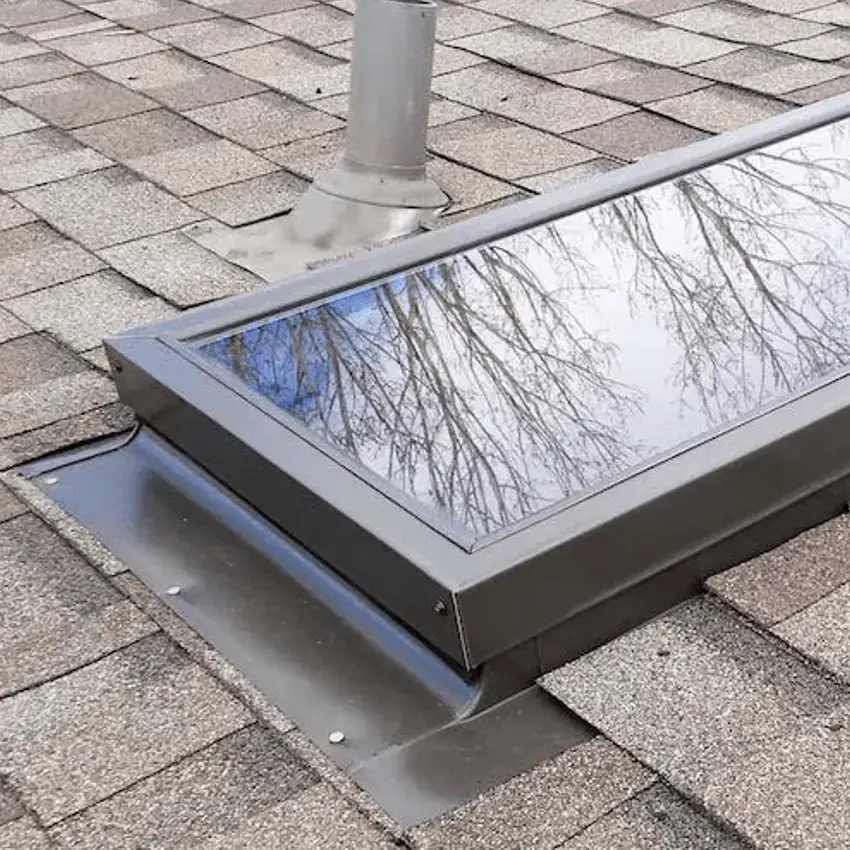
The Professional Flat Roof Installation Process
Professional installation follows systematic steps ensuring quality results.
The first step in any professional roof installation is a thorough inspection and assessment to identify any underlying issues and determine the best approach for your project.
Step 1: Inspection and Assessment
Every flat roof project begins with thorough evaluation.
Inspectors examine:
The roof’s condition to assess any damage or underlying issues (if replacement project)
Structural capacity and support adequacy
Drainage configuration and requirements
Building code compliance needs
Access considerations for materials and equipment
This assessment identifies potential issues before work begins, preventing surprises and cost overruns mid-project.
Step 2: Planning and Design
Proper planning determines long-term success.
Design considerations include:
Material selection based on application and budget
Slope design directing water to drainage points
Drainage system type and placement
Insulation requirements meeting energy codes
Flashing details for penetrations and edges
Ensuring compliance with local building codes regarding slope, insulation, and roofing materials
County Roofing Systems creates detailed plans specifying every aspect of your flat roof installation, from substrate preparation through final inspections.
Step 3: Removing Existing Roofing (If Replacement)
Replacement projects require complete removal of existing roofing material before installing a new roof.
Tear-off process involves:
Stripping old membrane and all old layers down to deck
Inspecting underlying structure for damage
Removing damaged decking or insulation
Disposing of materials properly
After removing old roofing, it’s crucial to address any issues found to ensure the new roof’s integrity.
Thorough tear-off allows assessment of hidden damage not visible during inspection.
Step 4: Structural Repairs and Reinforcement
Damaged substrate must be addressed before installing new roofing.
Common repairs include:
Replacing rotted or damaged decking
Reinforcing structural supports
Addressing water damage to framing
Correcting inadequate ventilation
Skipping structural repairs dooms new roofing to premature failure, you’re building on compromised foundation.
Step 5: Installing Roof Deck
New construction or extensive replacements require proper deck installation.
Decking installation best practices:
Use 5/8-inch plywood or OSB rated for roofing
Run panels perpendicular to joists
Leave 1/8-inch expansion gaps between sheets
Stagger seams preventing weak lines
Secure properly with appropriate fasteners
Quality decking provides stable, smooth substrate for roofing materials.
Step 6: Creating Proper Slope
This step separates professional installation from amateur work.
Achieving proper slope requires:
Minimum 1/4 inch per foot slope (industry standard)
Tapered insulation creating drainage paths
Strategic planning directing water to drains
Avoiding low spots where water pools
“Flat” roofs that actually are flat become swimming pools during rain, standing water accelerates deterioration and causes leaks.
Step 7: Installing Insulation
Modern energy codes mandate proper insulation for flat roofs.
Insulation serves multiple purposes:
Reducing heating and cooling costs
Meeting building code requirements
Providing stable substrate for membrane
Protecting against condensation
Warm roof designs are especially beneficial in cold climates, as the insulation placement helps prevent condensation and manage temperature more effectively during colder weather.
Professional installation ensures continuous insulation without gaps compromising thermal performance.
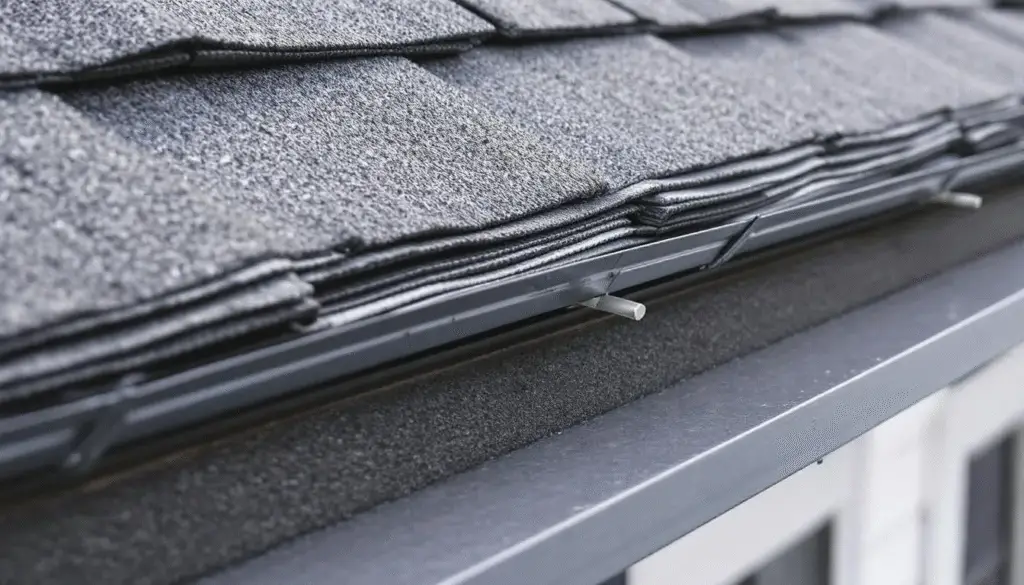
Step 8: Applying Underlayment
Underlayment creates additional waterproofing layer beneath membrane.
Quality underlayment installation includes:
Complete coverage of entire roof surface
Proper overlap at seams
Secure fastening preventing movement
Protection during construction
This backup layer prevents catastrophic leaks if membrane is damaged.
Step 9: Installing Roofing Membrane
The membrane represents your roof’s primary weather barrier.
EPDM installation process:
Unroll membrane allowing material to relax
Position carefully avoiding wrinkles—remember, you have only one shot to get the placement right, so precision is critical
Apply adhesive to substrate (fully adhered systems)
Roll membrane firmly into adhesive, smoothing out any air bubbles with a dry roller to ensure proper adhesion and prevent future issues
Seal seams with specialized tape or adhesive
TPO and PVC installation:
Mechanically fasten or fully adhere base sheet
Position membrane sheets with proper overlap
Heat-weld seams using specialized equipment
Test seams ensuring watertight bonds
Each material requires specific techniques developed through manufacturer training and field experience.
Step 10: Installing Flashing
Flashing prevents water intrusion at vulnerable transitions.
Critical flashing locations:
Parapet walls
Equipment penetrations
Drain areas
Edge details
Vent pipes
Chimneys
Proper flashing installation uses compatible materials, adequate overlap, and secure fastening preventing water infiltration. It is essential to seal the top edge of flashing and ensure all seams are properly sealed to prevent water infiltration and moisture issues.
Step 11: Installing Drainage Systems
Adequate drainage extends flat roof lifespan dramatically.
Drainage options include:
Interior drains: Located at low points, connect to building plumbing
Scuppers: Openings through parapet walls allowing overflow drainage
Gutters: Traditional edge-mounted systems
Secondary drainage: Backup systems preventing catastrophic flooding
Multiple drainage points provide redundancy—if one clogs, others continue functioning. Proper drainage is essential to prevent pooling water, which can cause significant damage to the roof over time.
Step 12: Final Inspection and Quality Assurance
The final step in flat roof installation is a thorough inspection and quality assurance check to ensure everything meets standards.
Inspection checklist covers:
Membrane integrity without tears or gaps
Seam quality and watertight sealing
Flashing installation and security
Drainage system function
Overall workmanship quality
Professional contractors stand behind completed work with comprehensive warranties.
THE BEST GUARANTEE IN THE INDUSTRY
50-Year Material, 25-Year Labor Guarantee
We’ve met the toughest requirements in the residential roofing industry- and we use only the best materials.
That’s why we stand behind our work with the best guarantee in the industry– including warranties only 2% of roofing companies can offer.
Your house deserves the best roofing warranty on the market. Give us a call today and get a brand new roof with a 50-year material, 25-year labor warranty from the best roofing contractor in Long Island and New York.
Why Professional Installation Matters More Than You Think
Here’s uncomfortable truth: flat roof installation isn’t a DIY project.
Even experienced general contractors often lack specialized flat roofing knowledge. The difference between adequate and expert installation shows up years later, one roof performs flawlessly while another develops persistent problems.
That’s why it’s essential to consult a roofing professional for inspection and maintenance—only a qualified expert can ensure your flat roof is installed and maintained for long-term performance.
Specialized Equipment Requirements
Professional flat roofing demands equipment most contractors don’t own:
Hot air welders for TPO and PVC seams
Specialized cutting tools
Membrane rollers
Material handling equipment
Attempting installation without proper equipment compromises seam quality and membrane integrity.
Technical Knowledge and Experience
Flat roofing installation involves complexity casual observation doesn’t reveal.
Critical expertise includes:
Understanding material characteristics and limitations
Proper adhesive selection and application
Seam sealing techniques ensuring watertight bonds
Flashing details preventing leaks
Drainage design preventing water accumulation
These skills develop through years of hands-on experience, not YouTube tutorials.
Manufacturer Warranties Require Professional Installation
Premium roofing materials include warranties covering manufacturing defects.
Warranty conditions almost universally require:
Installation by certified contractors
Following exact manufacturer specifications
Using compatible materials throughout system
Proper substrate preparation
DIY installation voids warranties entirely, you’re stuck paying for premature failures.
Building Code Compliance
New York building codes specify requirements for flat roofing systems.
Code requirements cover:
Fire resistance ratings
Wind uplift resistance
Insulation R-values
Drainage adequacy
Proper flashing installation
Professional contractors handle permits, understand code requirements, and ensure compliance avoiding costly violations.
Long-Term Performance and Cost
Professional installation costs more upfront. The investment pays off through decades of reliable performance.
Quality installation delivers:
20-30+ year lifespan (versus 5-10 years for poor work)
Minimal maintenance requirements
No recurring leak repairs
Energy efficiency from proper insulation
Warranty protection when issues arise
Poor installation seems cheaper initially, until you’re replacing the roof 10 years early.
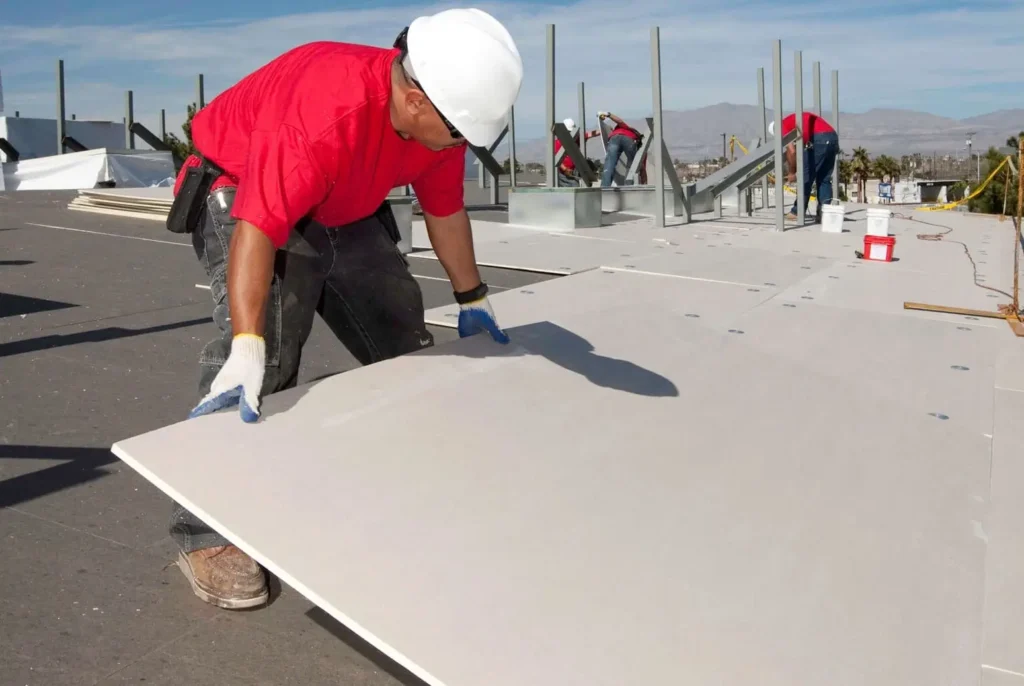
Residential vs. Commercial Flat Roof Installation
Residential and commercial flat roofs share basic principles but differ significantly in execution.
Scale and Complexity
Residential flat roofs typically cover:
200-1,500 square feet
Simple rectangles
Minimal penetrations
Straightforward drainage
Commercial flat roofs often involve:
5,000-50,000+ square feet
Complex layouts with multiple levels
Numerous penetrations for equipment
Sophisticated drainage requirements
Scale affects everything, material handling, installation time, crew size, and equipment needs.
Material Selection Differences
Residential projects frequently use EPDM rubber for affordability and proven performance.
Asphalt shingles are a popular choice for pitched roofs due to their waterproofing and durability, but they are less suitable for flat roof applications.
Commercial projects often specify TPO or PVC membranes for:
Superior longevity requirements
Energy efficiency mandates
Rooftop equipment compatibility
Fire resistance specifications
Code Requirements and Inspections
Residential projects face standard building codes but typically simpler inspection processes.
Commercial projects must meet:
More stringent fire codes
Commercial energy codes
Accessibility requirements
Multi-story building regulations
Multiple inspections throughout installation ensure compliance.
Warranty Considerations
Residential warranties typically cover:
10-20 year material warranties
1-10 year workmanship warranties
Commercial warranties often include:
20-30 year material warranties
Extended labor warranties
Building owner’s policy options
Maintenance program requirements
Commercial property owners prioritize warranty protection given investment size.
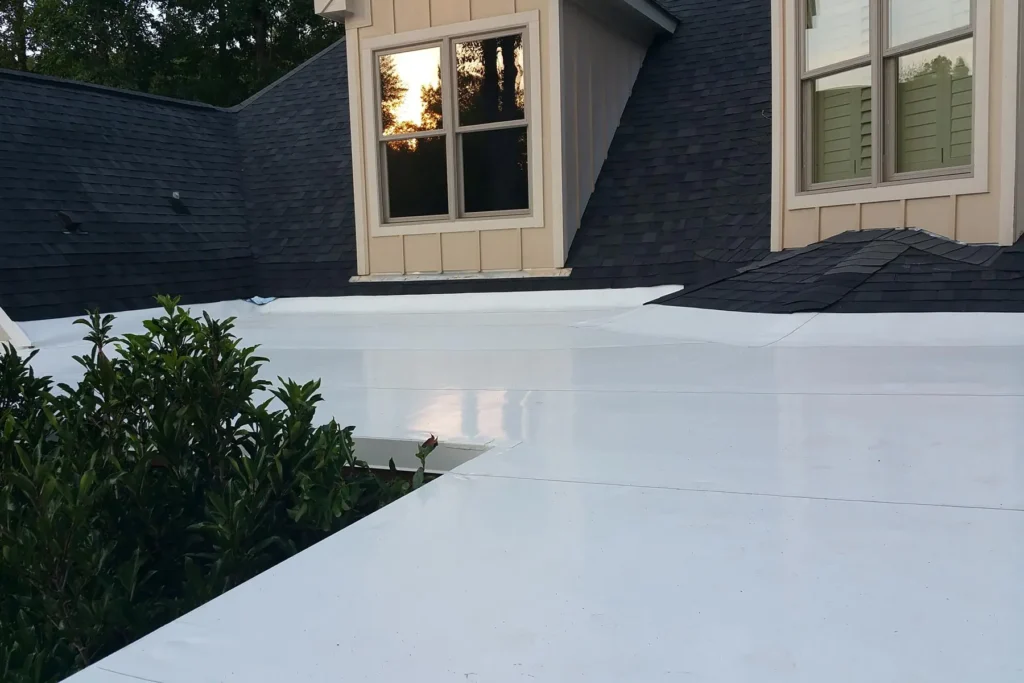
Common Flat Roof Installation Mistakes to Avoid
Even experienced contractors make errors compromising flat roof performance.
One common mistake is insufficient insulation, which can lead to energy loss and higher utility bills. Inadequate insulation and poor ventilation can also cause moisture buildup, resulting in condensation, mold growth, and potential structural damage.
Proper insulation and ventilation are essential to maintain the integrity and longevity of your flat roof.
Inadequate Slope
The most common and costliest mistake, installing truly flat roofs without proper slope.
Water pools in low spots accelerating membrane deterioration. Ponding water within 48 hours after rain indicates inadequate slope.
Professional installation uses tapered insulation or structural slope ensuring positive drainage throughout roof surface.
Poor Seam Sealing
Seams represent flat roofing’s weakest points.
Inadequate seam sealing causes:
Water infiltration at membrane joints
Premature seam separation
Catastrophic leaks
Professional contractors follow manufacturer specifications exactly, proper overlap, adequate adhesive, heat-welding temperature control, and quality verification.
Insufficient Insulation
Skimping on insulation saves money initially while costing significantly long-term.
Inadequate insulation creates:
Higher energy costs
Condensation problems
Structural damage from moisture
Code violations
Modern energy codes mandate specific R-values, professional installation meets requirements.
Improper Flashing Installation
Flashing prevents water intrusion at roof transitions and penetrations.
Poor flashing causes:
Leaks around equipment
Edge deterioration
Parapet wall water damage
Quality flashing uses compatible materials, adequate overlap, proper fastening, and watertight sealing.
Ignoring Drainage System Design
Single drain relying on gravity represents inadequate drainage.
Professional drainage design includes:
Multiple primary drains
Secondary overflow drainage
Regular maintenance access
Debris protection
Redundant drainage prevents catastrophic flooding when primary drains clog.
Cutting Corners on Materials
Using budget materials or incompatible products undermines installation quality.
Material shortcuts include:
Discount membranes without proper certifications
Incompatible adhesives
Inadequate fasteners
Substandard flashing materials
Premium materials cost more upfront but deliver dramatically better long-term performance.
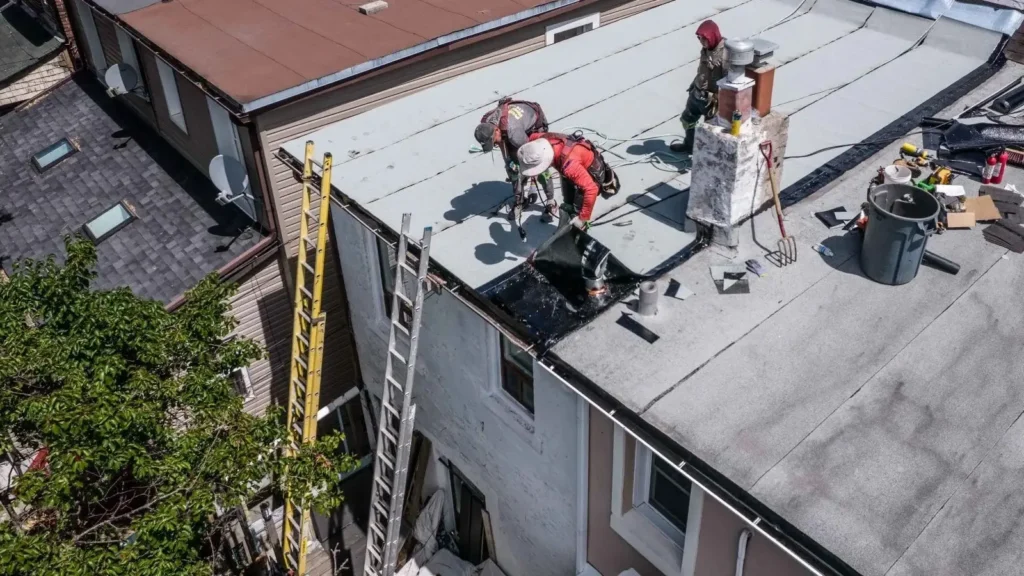
Flat Roof Installation Timeline and Cost
Understanding realistic timelines and budgets helps project planning.
Residential Flat Roof Installation Timeline
Small projects (200-500 square feet): 1-2 days
Medium projects (500-1,500 square feet): 2-4 days
Large residential (1,500+ square feet): 4-7 days
Weather, material availability, and structural issues affect timelines.
Commercial Flat Roof Installation Timeline
Small commercial (2,000-5,000 square feet): 1-2 weeks
Medium commercial (5,000-15,000 square feet): 2-4 weeks
Large commercial (15,000+ square feet): 4-8+ weeks
Complex projects with extensive equipment penetrations require additional time.
Cost Factors
Flat roof installation costs vary based on:
Material selection: $3-10+ per square foot for materials
Labor rates: $2-5 per square foot typically
Roof size: Larger projects cost less per square foot
Complexity: Penetrations and details increase costs
Access: Difficult access adds labor time
Structural repairs: Additional costs if needed
Insulation requirements: Code compliance additions
Total installed costs typically range:
Residential EPDM: $5-12 per square foot
Commercial TPO: $7-15 per square foot
Commercial PVC: $9-18 per square foot
Quality installation costs more upfront but delivers better value through superior performance and longevity.
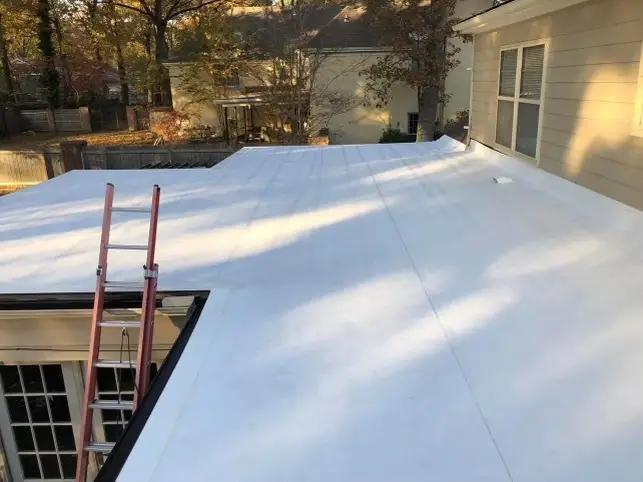
Maintaining Your Newly Installed Flat Roof
Proper maintenance extends flat roof lifespan significantly. Regular maintenance helps protect the flat roof from leaks, water damage, and environmental wear.
Regular Inspection Schedule
Inspect flat roofs:
Twice annually (spring and fall)
After major storms
Before winter season
When leaks suspected
Visual inspection from the ground for signs of damage or drainage issues
Look for:
Standing water indicating drainage problems
Membrane damage or deterioration
Seam separation
Flashing issues
Debris accumulation
Early detection prevents minor issues becoming major repairs.
Drainage System Maintenance
Keep drainage systems functioning:
Clear debris from drains monthly
Inspect scuppers for blockages
Clean gutters regularly
Verify overflow drains operate
Clogged drains cause water pooling accelerating roof deterioration.
Addressing Issues Promptly
Minor problems escalate quickly on flat roofs.
Address immediately:
Any visible damage to membrane
Separation at seams
Flashing deterioration
Standing water lasting 48+ hours
Professional repair prevents small issues becoming catastrophic failures.
Professional Maintenance Programs
County Roofing Systems offers maintenance programs providing:
Scheduled inspections
Priority service for repairs
Detailed condition reports
Preventive maintenance
Extended roof lifespan
Maintenance programs cost far less than premature replacement.
Why County Roofing Systems for Your Flat Roof Installation
You’ve learned what proper flat roof installation involves.
You understand why professional expertise matters and how poor installation creates expensive problems.
A new flat roof installed by County Roofing Systems ensures long-term protection and aesthetic appeal for your property.
Now here’s what separates County Roofing Systems from other contractors claiming flat roofing experience.
Over 35 Years of Flat Roofing Expertise
We’ve installed flat roofs across Long Island and Westchester County since 1989.
Our experience spans:
Residential additions and garages
Commercial retail buildings
Industrial warehouses
Multi-family apartment buildings
Everything in between
Three decades installing flat roofs taught us exactly what works in New York’s challenging climate, brutal winters, hot summers, coastal humidity, and everything nature throws at buildings.
Both Residential and Commercial Expertise
Many contractors specialize in either residential or commercial, rarely both.
County Roofing Systems handles both with equal expertise.
Small residential porch roof? We install it with same attention to detail as 20,000 square foot commercial building.
This versatility means we understand how applications differ and apply appropriate techniques for each project.
Premium Materials from Leading Manufacturers
We don’t stock discount materials or second-tier products.
Our flat roofing materials come from industry leaders:
GAF commercial roofing systems
Firestone Building Products
IB Roof Systems
Other premium manufacturers
Why premium materials matter: Your flat roof protects your building for decades. Quality materials deliver durability and performance cheap alternatives can’t match.
Certified Installation Teams
Our crews aren’t general laborers. They’re certified flat roofing specialists.
Every team member has:
Manufacturer-specific training
Years of flat roofing experience
Knowledge of proper installation techniques
Understanding of material characteristics
We don’t use subcontractors. Every crew member works directly for County Roofing Systems ensuring consistent quality.
Comprehensive Warranty Protection
County Roofing Systems provides:
Extended labor warranties backing our workmanship
Full manufacturer material warranties
Warranty options unavailable from uncertified contractors
This comprehensive protection means both materials and installation are covered, not just one or the other.
Building Code Expertise
New York building codes specify flat roofing requirements.
County Roofing Systems:
Handles all permit applications
Ensures complete code compliance
Coordinates required inspections
Prevents costly violations
Professional code compliance avoids problems and ensures your project passes inspection first time.
Emergency Response Capabilities
Flat roof failures sometimes demand immediate attention.
We provide:
Emergency repair services
Rapid response to prevent damage
Temporary protection while planning permanent repairs
24/7 availability for critical situations
When flat roof fails, every hour counts preventing water damage, we respond quickly protecting your property.
Fill out the form below or give us a call today at (631) 400-7663 to get started on your flat roof project:
Schedule Your Flat Roof Installation Consultation
Professional flat roof installation protects your building for decades.
Poor installation creates problems appearing within years, leaks, water damage, premature failure requiring costly replacement.
Don’t trust your flat roof to inexperienced contractors or attempt DIY installation risking expensive failures.
Call County Roofing Systems today at (631) 400-7663 for your free flat roof consultation.
We’ll evaluate your project, explain material options appropriate for your application, provide detailed estimates, and show you exactly how professional installation delivers lasting protection.
Or complete the form below and we’ll contact you promptly to schedule your consultation at a time convenient for you.
Why Choose County Roofing Systems for Flat Roofing?
- Over 35 years protecting Long Island and Westchester properties
- Residential and commercial flat roofing expertise
- Certified installation teams using premium materials
- Comprehensive warranties covering both materials and workmanship
- Complete building code compliance and permit handling
- The flat roofing specialists you can trust
County Roofing Systems, your Long Island and Westchester flat roofing specialists.
Over 35 years of residential and commercial expertise. Premium materials, certified installation, comprehensive warranties. The difference professional flat roofing makes.
Call (631) 400-7663 today or contact us below for your free flat roof estimate:
Frequently Asked Questions
How long does flat roof installation take?
Residential flat roofs typically take 1-4 days depending on size and complexity. Commercial projects range from 1-8+ weeks based on square footage, penetrations, and access challenges. Weather conditions, material delivery, and structural repairs affect timelines. County Roofing Systems provides realistic schedules during consultation, factoring in all project-specific variables for accurate timeline expectations.
What's the best material for flat roofs in Long Island and Westchester?
EPDM rubber membrane works excellently for residential applications, affordable, proven performance, 20-30 year lifespan. TPO membrane suits commercial buildings prioritizing energy efficiency through reflective white surface. PVC offers premium performance for demanding applications like restaurant roofs. Material selection depends on application, budget, and performance requirements. County Roofing Systems recommends specific materials after evaluating your project.
Do flat roofs really need a slope?
Yes, proper flat roofs require minimum 1/4 inch per foot slope directing water to drains. Truly flat roofs without slope become swimming pools during rain, accelerating deterioration and causing leaks. Professional installation uses tapered insulation or structural slope ensuring positive drainage throughout entire roof surface. Standing water remaining 48+ hours after rain indicates inadequate slope requiring correction.
Can I install a flat roof myself to save money?
Flat roof installation isn’t a realistic DIY project for homeowners. Specialized equipment, technical knowledge, proper material handling, and seam sealing expertise are essential for quality results. DIY installation voids manufacturer warranties entirely. Poor installation creates expensive problems within years, leaks, premature failure, water damage. Professional installation costs more upfront but delivers decades of reliable performance and warranty protection DIY can’t match.
How much does professional flat roof installation cost in Long Island and Westchester?
Residential flat roofs typically cost $5-12 per square foot installed for EPDM systems. Commercial TPO installations run $7-15 per square foot. Premium PVC systems cost $9-18 per square foot. Final costs depend on roof size, material selection, complexity, structural repairs needed, and access difficulty. County Roofing Systems provides detailed estimates during free consultation, breaking down all costs clearly so you understand exactly what you’re paying for and why quality installation represents excellent long-term value.