UPDATED FOR 2025
How Can I Verify a Roofer's License and Insurance? Your Complete Long Island and NYC Guide
Learn how to verify a roofer’s license and insurance in Long Island and NYC. Step-by-step guide to checking Nassau, Suffolk, and NYC contractor credentials, insurance requirements, and red flags to avoid.
Key Takeaways:
- Licensing is mandatory in most areas. Nassau, Suffolk, Westchester, Putnam, Rockland counties, NYC (all five boroughs), and Buffalo require Home Improvement Contractor (HIC) licenses. Working with unlicensed contractors in these jurisdictions can void your contract and expose you to liability.
- Insurance protects you, not the contractor. General liability ($500K-$1M), workers’ compensation, and unemployment insurance coverage transfer risk away from you.
- Contractors should also be bonded, and may be required to provide a surety bond for additional financial protection and compliance with state regulations. Without proper insurance, you’re personally liable if workers are injured on your property.
- Manufacturer certifications separate professionals from pretenders. Only 1-3% of contractors nationwide hold elite certifications from CertainTeed, GAF, and Owens Corning. These credentials unlock enhanced warranties unavailable through non-certified contractors.
- Online databases make verification simple. Every jurisdiction with licensing requirements provides free online tools to check contractor credentials. Always verify that all information is correct and up-to-date—verification takes 15-20 minutes and protects your biggest investment.
- Red flags are obvious when you know what to look for. Contractors refusing documentation, offering cash-only deals, or pressuring immediate decisions signal serious problems. Professional contractors welcome credential verification.
- New York law protects homeowners. Written contracts are mandatory, escrow accounts required, and payment schedules must be reasonable. Understanding your rights helps identify contractors violating regulations.
- County Roofing Systems makes verification effortless. With 35+ years serving Long Island, we provide complete licensing documentation, comprehensive insurance certificates, and manufacturer certification proof upfront—no excuses, no delays.
- Please note: The information provided here is not expected to serve as legal advice. Licensing and insurance requirements, including bonding and surety bond obligations, may vary by location. Always confirm requirements with the appropriate local authorities.
Finding the right roofing contractor starts with one critical question: are they properly licensed and insured?
Homeowners should also check if a roofer is bonded and carries a surety bond, as these provide additional financial protection in case of accidents, damages, or contractor default.
In Long Island and the greater New York area, this verification isn’t just smart—it’s legally required in most counties.
Hiring an unlicensed or uninsured roofer exposes you to financial liability, poor workmanship, and legal complications that turn your roofing project into a nightmare. Licensed roofers are more likely to adhere to safety standards and comply with local building codes, while insurance coverage protects homeowners from liability if a worker is injured on their property.
Hiring insured roofers also ensures that any property damage caused during the project will be covered by the contractor’s insurance. Unlicensed contractors may not have the necessary training or experience, increasing the risk of poor workmanship. Verifying a roofer’s credentials is essential to avoid hiring unqualified or fraudulent contractors.
This guide shows you exactly how to verify a roofer’s credentials across Nassau County, Suffolk County, Queens, Brooklyn, Bronx, Manhattan, Staten Island, and Westchester County.
Verifying a roofer’s credentials includes checking for correct and up-to-date licensing, insurance, unemployment insurance where required, and proof of bonding or a surety bond. You’ll learn where to check licenses, what insurance requirements matter, and which red flags signal contractors you should avoid.
The information provided here is not expected to serve as legal advice—always confirm licensing and insurance requirements with your local authorities.

Understanding New York’s Home Improvement Contractor License Requirements
Unlike many states, New York doesn’t issue statewide roofing licenses. Instead, local jurisdictions regulate home improvement contractors—including roofers—through county and city licensing requirements.
The applicant for a roofing license must submit required documentation, including the first and last name of the business owner, and meet all local level requirements.
Licenses are only approved after meeting all regulatory criteria set by the local authorities.
Where Home Improvement Contractor (HIC) Licenses Are Mandatory
According to the New York State Attorney General, Home Improvement Contractor licenses are required in these jurisdictions:
Nassau County
Suffolk County (excluding Southampton, East Hampton, and Shelter Island)
Westchester County
Putnam County
Rockland County
New York City (all five boroughs: Manhattan, Brooklyn, Queens, Bronx, Staten Island)
City of Buffalo
In some areas, the business name on the license must include the first and last name of the owner, or a Certificate of Assumed Name may be required at the local level. Always check local level regulations to ensure full compliance.
If your roof replacement or repair takes place in any of these areas, your contractor must hold a valid HIC license. Working without proper licensing can result in fines up to $1,500 per violation and potentially void your contract.
What About Areas Without Licensing Requirements?
In areas where licensing isn’t mandatory, you’ll need extra diligence verifying contractors. Applicants should always check for local level licensing requirements, even if state or county regulations do not mandate a license. Always confirm:
Business registration documentation
Comprehensive insurance coverage
References from recent projects
Online review verification
Better Business Bureau ratings
Even in non-licensed areas, reputable roofing contractors carry proper insurance and demonstrate professionalism through documentation and references.
FINANCE YOUR HOME IMPROVEMENT PROJECT TODAY
0% Financing, Quick and Easy Approval
With nearly four decades serving homeowners under our belt, we know what’s needed to make your roofing project a success.
When you work with County Roofing, you get only the best. As little as 0% interest on approval for 5 years, quick approval, easy pay, and all backed by the best guarantees in the industry.
How to Verify Your Roofer’s License in Long Island and NYC
Each jurisdiction maintaining licensing requirements provides online databases allowing homeowners to verify contractor credentials.
It is important to ensure that the applicant’s information is correct and matches the approved records in these databases to avoid potential legal or financial issues. You should ask the roofer for their license number and verify it online, making sure the license is approved and current.
Additionally, check for any complaints or disciplinary actions against the roofer through the same licensing agency. Here’s exactly where to check:
Nassau County License Verification
Nassau County maintains a searchable online database through the Office of Consumer Affairs.
What to verify:
Home Improvement Contractor license status (active/expired)
Business name matches estimate/contract
First and last name of the business owner matches the records
License number validity
Any violations or complaints on record
Ensure the license status is approved and all information is correct
Access: Visit the Nassau County Department of Consumer Affairs website and use their licensed business search feature.
Suffolk County License Verification
Suffolk County’s Department of Labor, Licensing & Consumer Affairs provides an exportable database of all licensed home improvement contractors.
Licensing requirements include:
Minimum $500,000 general liability insurance (bodily injury and property damage combined)
Workers’ compensation certificate or exemption documentation
Proof of unemployment insurance or valid exemption, as required
Home improvement exam passage (25 questions covering Chapter 563 Articles I & II and NYS General Business Law Article 36-A)
$200 application fee
The applicant must submit all required documentation as part of the licensing process. Licenses are only approved after meeting all regulatory criteria, including insurance and exam requirements. Always verify that all information provided is correct to ensure compliance and avoid legal issues.
Access: Search the Suffolk County licensed contractor database online. You can export results for your records.
Pro tip: Suffolk County roofing contractors working without proper licensing face significant penalties. Never accept “I’m waiting for my license” as an excuse—legitimate contractors maintain valid licenses before accepting work.
New York City License Verification
NYC’s Department of Consumer and Worker Protection (DCWP)—formerly Department of Consumer Affairs—licenses home improvement contractors across all five boroughs.
Search options:
Individual name
Company name
License number
First and last name of the business owner (searching by first and last name can help ensure correct identification)
Access: Use the DCWP’s online license search tool. The database updates regularly showing license status, issue dates, and any violations. Always confirm the license is approved and all information is correct.
Important: NYC maintains a “Wall of Shame” listing businesses that received violations for operating without licenses in the past 12 months. Check this list to avoid contractors with recent infractions.
Westchester County License Verification
Westchester County Department of Consumer Protection licenses home improvement contractors countywide (except Yonkers, which maintains separate requirements).
Access: Use the “Find a Licensed Contractor” search tool on Westchester County’s consumer protection website. When searching, verify that the applicant’s information is correct and that the license status is approved to ensure compliance with local regulations.
Note: Contractors must hold both Westchester County HIC license AND municipal permits. Cities like Yonkers, New Rochelle, and White Plains have additional requirements.
Other Jurisdiction Verification Resources
Putnam County: Publishes a downloadable PDF list of registered home improvement contractors. When using this resource, verify that the applicant’s information is correct and that the license is approved before proceeding.
Rockland County: Maintains an Airtable database searchable by contractor name or business. Always check that the applicant’s details are correct and confirm the license is approved to ensure compliance.
City of Buffalo: Provides a publicly accessible list of licensed contractors through the Office of Licenses. Be sure to confirm the applicant’s information is correct and that their license status is approved.
Critical Insurance Requirements: What Every Long Island Homeowner Must Verify
Licensing proves basic compliance. Insurance protects you from financial catastrophe if something goes wrong during your roofing project.
In addition to insurance, make sure your contractor is bonded, as this provides an extra layer of financial protection. Many states require roofing contractors to post a surety bond as part of their licensing process, ensuring they meet legal and financial responsibilities.
You should also verify whether the contractor carries unemployment insurance or has a valid exemption, as this is often required for compliance with state regulations.
General Liability Insurance: Your Protection Against Accidents
Minimum coverage requirements across Long Island and NYC typically mandate:
$500,000 to $1,000,000 general liability coverage
Bodily injury protection
Property damage protection
Why this matters: If a roofer falls from your roof without proper insurance, you could be liable for medical expenses, lost wages, and legal costs. General liability insurance transfers this risk to the contractor’s insurer.
How to verify:
Request a Certificate of Insurance (COI) directly from the contractor
Confirm the policy is current (check expiration dates)
Verify coverage amounts meet or exceed local minimums
Call the insurance company listed to confirm policy validity
Ensure your property address is listed as an additional insured or certificate holder
Red flag: Contractors refusing to provide current COIs or offering expired certificates signal serious problems. Professional Long Island roofing contractors readily provide current insurance documentation.
Workers’ Compensation Insurance: Protecting You from Employee Injuries
This coverage is mandatory for contractors with employees. Workers’ compensation insurance covers medical expenses and lost wages if crew members are injured on your property.
Contractors may also be required to provide proof of unemployment insurance or a valid exemption as part of licensing and compliance requirements.
Without workers’ comp coverage, injured workers can sue you directly as the property owner.
Verification process:
Request workers’ compensation certificate showing:
Policy number
Coverage period
Insurance carrier contact information
If contractor claims exemption (sole proprietor with no employees), obtain Form CE-200 (Certificate of Attestation of Exemption from NYS Workers’ Compensation Coverage)
Call the insurance carrier to verify active coverage
Important exception: Some contractors operate as sole proprietors without employees. In these cases, CE-200 exemption documentation replaces workers’ comp certificates. Verify the contractor actually works alone—if crew members show up, they require coverage.
Additional Insurance Considerations
Commercial Auto Insurance: Protects against vehicle-related accidents during material delivery or equipment transport.
Builder’s Risk Insurance: Covers materials and equipment on your property during construction.
Umbrella Policies: Provide additional liability coverage beyond standard policy limits.
While not always required, these additional coverages demonstrate contractor professionalism and financial stability.
Additionally, check if your roofer is bonded. Being bonded means the contractor has secured a surety bond, which is often required for licensing and registration.
A surety bond provides financial protection for homeowners in case the contractor fails to complete the job or meet contractual obligations, further ensuring legal compliance and peace of mind during your roofing project.
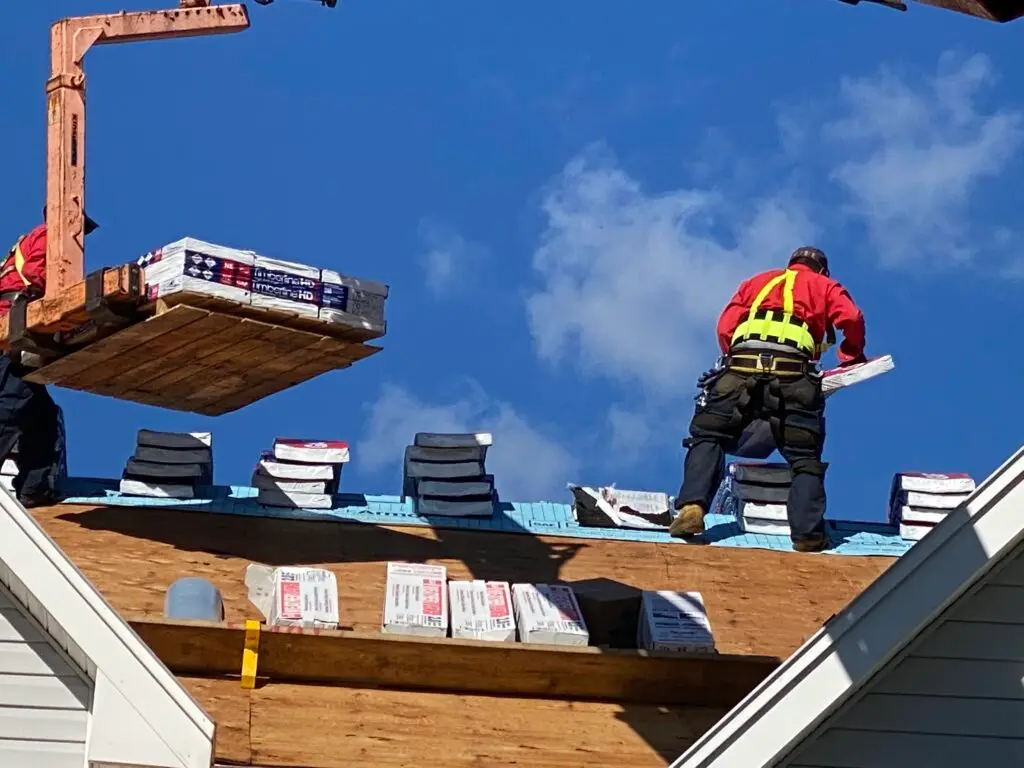
Manufacturer Certifications: The Elite Credentials Separating Professionals from Pretenders
Beyond licensing and insurance, roofing is a respected profession, and membership in trade associations often requires meeting certain ethical and professional standards.
Manufacturer certifications prove contractors meet rigorous training standards and maintain quality workmanship.
Why Manufacturer Certifications Matter
Leading shingle manufacturers—GAF, CertainTeed, and Owens Corning—offer certification programs requiring:
Comprehensive product training
Proven installation expertise
Financial stability verification
Ongoing continuing education
Demonstrated customer satisfaction
Certified contractors gain access to:
Enhanced warranty programs (often 2-5x longer coverage)
Priority technical support
Exclusive products
Bulk pricing advantages passed to customers
CertainTeed SELECT ShingleMaster Certification
Only 1% of roofing contractors nationwide achieve CertainTeed SELECT ShingleMaster status.
County Roofing Systems holds this elite certification, demonstrating:
Mastery of CertainTeed’s complete product line
Expert installation of Integrity Roof Systems
Proven track record with homeowner satisfaction
Financial stability backing long-term warranty commitments
Homeowner benefit: SELECT ShingleMaster contractors offer 10-year SureStart Protection covering 100% of material AND labor costs—unavailable through non-certified contractors.
GAF Master Elite Certification
GAF Master Elite contractors represent the top 3% of roofing professionals nationwide.
Requirements include:
Extensive GAF product training
Proven installation excellence
Licensing verification
Insurance adequacy
Strong reputation and references
Homeowner benefit: Master Elite contractors can offer GAF’s enhanced warranty programs including Golden Pledge and Silver Pledge coverage with extended labor protection.
Owens Corning Platinum Preferred Certification
Owens Corning’s highest contractor tier requires demonstrated expertise across their complete product range.
Homeowner benefit: Platinum Preferred contractors provide access to extended warranties and exclusive products like Duration FLEX (Class 4 impact resistance).
How to Verify Manufacturer Certifications
Ask contractors directly which manufacturer certifications they hold
Request certification documentation showing active status
Visit manufacturer websites:
GAF contractor locator
CertainTeed contractor finder
Owens Corning contractor network
Verify certification status using contractor name or license number
Warning: Some contractors claim certifications they don’t actually possess. Always verify directly with manufacturers.
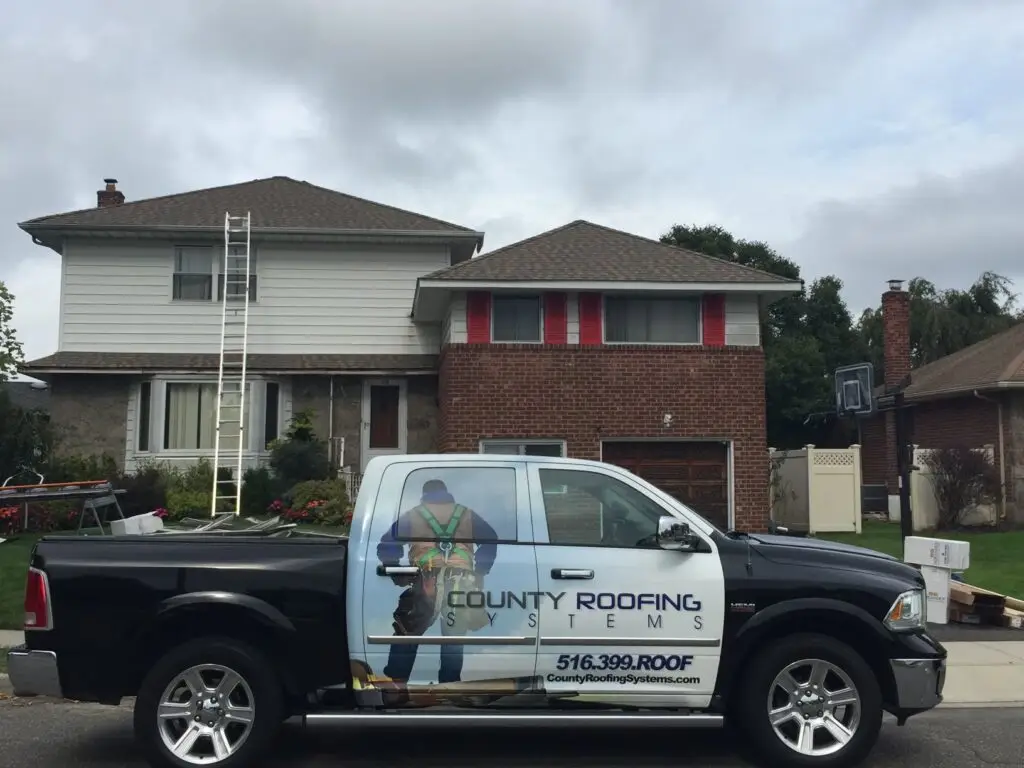
Red Flags: Warning Signs of Unlicensed or Uninsured Contractors
Protect yourself by recognizing these danger signals indicating contractors you should avoid: Incorrect or unapproved documentation is a major red flag—always ensure the roofer’s license and insurance are correct and approved by the relevant authorities.
Licensing Red Flags
No license number on estimates or contracts in jurisdictions requiring licensing
“License pending” or “in process” claims (legitimate contractors secure licenses BEFORE soliciting work)
Reluctance providing license information or making excuses
Operating under different business names than listed on license
Expired or suspended licenses found during verification
Discrepancies in contractor information or lack of approved status—always ensure the license and insurance details are correct and that the contractor is officially approved by local authorities, as inconsistencies are red flags
Insurance Red Flags
Refusing to provide Certificates of Insurance
Offering only copies rather than original COIs from insurance companies
Expired insurance policies or coverage gaps
Coverage amounts below legal minimums
Can’t provide workers’ comp documentation or valid CE-200 exemptions
Insurance company unfamiliar or unable to verify coverage
Not bonded or unable to show proof of a surety bond—contractors who cannot provide documentation of being bonded or a valid surety bond may not meet all legal requirements for roofing work
Business Practice Red Flags
Pressure tactics demanding immediate decisions or deposits
Cash-only payment requests (legitimate contractors accept checks and credit cards creating paper trails)
No physical business address or post office box only
No written contracts or vague agreements lacking detail
Requesting large upfront deposits (exceeding 10-15% raises concerns)
Unable to provide recent references or verifiable project history
No manufacturer certifications from major brands
Online Presence Red Flags
No website or unprofessional web presence
No online reviews or exclusively 5-star reviews posted within short timeframes (suggesting fake reviews)
Numerous negative reviews citing similar problems
No Better Business Bureau rating or poor BBB standing
Recent business formation without demonstrated experience
Spotting fake reviews requires vigilance—legitimate contractors accumulate diverse reviews over years, not dozens of glowing testimonials appearing overnight.
THE BEST GUARANTEE IN THE INDUSTRY
50-Year Material, 25-Year Labor Guarantee
We’ve met the toughest requirements in the residential roofing industry- and we use only the best materials.
That’s why we stand behind our work with the best guarantee in the industry– including warranties only 2% of roofing companies can offer.
Your house deserves the best roofing warranty on the market. Give us a call today and get a brand new roof with a 50-year material, 25-year labor warranty from the best roofing contractor in Long Island and New York.
Questions to Ask Before Hiring: Your Contractor Vetting Checklist
Use these specific questions to thoroughly evaluate contractors during initial consultations.
For a successful roofing project, follow instructions carefully and use tips to verify contractor legitimacy. Always ensure that all information provided by the contractor is correct to avoid potential legal or financial issues.
Licensing Questions
“What’s your Home Improvement Contractor license number?” (In Nassau, Suffolk, Westchester, Putnam, Rockland, NYC, or Buffalo)
“Can I verify your license online before we proceed?”
“How do you ensure your licensing information is correct and approved by the relevant authorities?”
“How long have you held your license in this jurisdiction?”
“Have you ever had license suspensions or violations?”
Insurance Questions
“Can you provide current Certificates of Insurance for general liability and workers’ compensation?”
“What are your coverage amounts?” (Verify they meet or exceed minimums)
“Will you add my property as an additional insured on your policy?”
“If you’re exempt from workers’ comp, can you provide Form CE-200?”
“Can I contact your insurance company to verify active coverage?”
“Are you bonded, and can you provide proof of your bond?”
“Do you have a surety bond as required by local regulations?”
“Can you provide proof of unemployment insurance or a valid exemption?”
Certification Questions
“Which manufacturer certifications do you hold?” (GAF, CertainTeed, Owens Corning)
“Can you provide documentation proving your certified status?”
“What enhanced warranties can certified contractors offer that non-certified contractors cannot?”
Experience Questions
“How many years have you worked as a roofing contractor in Long Island/NYC?”
“How many roofs like mine have you completed in the past year?”
“Can you provide references from recent projects in my area?”
“Will you provide a list of completed projects I can drive by?”
“What types of jobs have you completed, and how do you ensure quality and professionalism on each job?”
Project Questions
“Do you employ your own crews or use subcontractors?” (Subcontractor use increases liability concerns)
“Will you obtain all necessary permits?” (Required for structural roofing work)
“How do you prepare your bid and what factors do you consider in the bidding process?” (Understanding the bid process helps ensure transparency and that all licensing and legal requirements are met)
“What’s your project timeline from start to completion?”
“How do you handle weather delays?”
“What warranties do you offer on materials and labor?”
Financial Questions
“Will you provide a detailed written estimate breaking down all costs?”
“What’s your payment schedule?” (Be wary of large upfront deposits)
“Do you use escrow accounts for deposits?” (Required by NYS law for payments before substantial completion)
“What financing options are available?”
Critical rule: Never accept vague answers or excuses. Legitimate contractors readily provide detailed documentation and clear answers to every question.
New York State Consumer Protections: Understanding Your Rights
New York State law provides strong consumer protections for homeowners hiring contractors. Understanding these rights helps you recognize contractors violating regulations. All documentation, including licenses and insurance, must be correct and approved to ensure your legal protection.
Written Contract Requirements
NYS law mandates written contracts for home improvement work exceeding $500. Contracts must include:
Detailed scope of work specifications
Timeline for project completion
Complete payment schedule
Material types and brands
Total project cost breakdown
Contractor licensing information
Insurance documentation
If a business operates under a name like ‘John Smith Construction’ and it does not include the owner’s full legal name, a Certificate of Assumed Name is required to ensure proper business registration and documentation for licensing.
Verbal agreements hold no legal weight. Insist on comprehensive written contracts before work begins.
Payment Schedule Protections
Progress payments must bear “reasonable relationship” to work completed and materials purchased.
Typical legitimate payment schedules:
Initial deposit: 10-15% upon contract signing
Progress payments: 25-35% at material delivery, 25-35% at project midpoint
Final payment: 25-35% upon completion and final inspection
Withhold final payment until all work completes and inspections pass.
Escrow Account Requirements
Contractors must deposit any payments received before substantial completion into trust (escrow) accounts within five business days. Customers must receive notification where money is held within ten business days.
Alternative: Contractors may provide a surety bond or contract of indemnity as an alternative to an escrow account, guaranteeing proper fund usage or return. Posting a surety bond is a common licensing requirement for roofing contractors, ensuring financial responsibility and compliance with state regulations.
Red flag: Contractors refusing escrow arrangements or claiming exemptions violate NYS law.
Permit Requirements
Most roofing projects requiring structural work need building permits. Contractors should handle permit applications—verify they’re doing so.
Check with local building departments before projects begin. Unpermitted work creates:
Code violation fines
Insurance claim denials
Difficulty selling your home
Safety concerns from uninspected work
Fill out the form below or give us a call today at (631) 400-7663:
The County Roofing Systems Difference: Over 35 Years Serving Long Island and Greater New York
At County Roofing Systems, we’ve built our reputation on transparency, certification, and unwavering commitment to customer protection. All of our company documentation is correct and approved in every jurisdiction we serve, ensuring full compliance and peace of mind for our clients.
Our Credentials and Certifications
CertainTeed SELECT ShingleMaster Contractor—representing the top 1% of contractors nationwide. This elite certification qualifies us to offer 10-year SureStart Protection covering 100% of material AND labor costs.
GAF Certified Contractor—trained and certified across GAF’s complete product line including Timberline HDZ, Camelot II, and Grand Sequoia.
Owens Corning Preferred Contractor—certified to install Duration, Duration Designer, and Duration FLEX impact-resistant shingles.
Comprehensive Licensing Across All Jurisdictions
We maintain active Home Improvement Contractor licenses in every jurisdiction where they’re required:
Nassau County HIC License
Suffolk County HIC License
New York City HIC License
Westchester County HIC License
All our licenses are correct and approved in every jurisdiction, ensuring compliance with all local regulations.
We handle projects across Nassau County, Suffolk County, Queens, Brooklyn, Bronx, Manhattan, Staten Island, and Westchester County—always with proper licensing documentation.
Industry-Leading Insurance Coverage
Our insurance protection exceeds minimum requirements:
$2,000,000 general liability coverage (4x higher than minimums)
Comprehensive workers’ compensation for every crew member
Commercial auto insurance for all company vehicles
Builder’s risk coverage protecting materials on your property
Umbrella policies providing additional liability protection
Bonded for your protection, with a surety bond as required by state regulations
We provide complete insurance documentation before contracts are signed—no excuses, no delays.
What Sets Us Apart
Over 35 years serving Long Island and greater New York—we’ve protected thousands of homes across Nassau County, Suffolk County, and NYC boroughs.
No subcontractors ever—every crew member works directly for County Roofing Systems. This ensures quality control, proper insurance coverage, and accountability.
Owner Keith Schmied on every project—our CEO personally oversees installations ensuring work meets our exacting standards.
25-year labor warranty—we stand behind our installation quality with industry-leading coverage. Combined with 50-year manufacturer material warranties, you receive comprehensive protection unavailable through uncertified contractors.
A+ Better Business Bureau rating—earned through decades of customer satisfaction and ethical business practices.
Easy Verification Process
We make credential verification effortless: All documentation we provide is correct and approved, meeting all regulatory requirements for roofing contractors.
Request our licensing documentation—we provide current, approved licenses for every jurisdiction
Review our insurance certificates—comprehensive COIs with carrier contact information, ensuring all details are correct
Verify our manufacturer certifications—documentation proving SELECT ShingleMaster and certified contractor status, all approved by the relevant authorities
Check our references—we provide recent project lists with homeowner contact information
Read our reviews—hundreds of authentic testimonials from satisfied customers
We never make you chase documentation. Professional contractors understand verification is essential and make the process simple.
Don’t Risk Your Home With Unlicensed or Uninsured Contractors
Your roof represents one of your home’s most critical investments. Protecting that investment starts with hiring properly licensed, fully insured, manufacturer-certified contractors.
It is essential to ensure all contractor documentation is correct and approved, as this guarantees compliance with local regulations and helps avoid legal or financial issues.
The verification process takes minimal time—just a few hours researching online databases and calling insurance carriers—but protects you from:
Financial liability if workers are injured on your property
Poor workmanship voiding manufacturer warranties
Legal complications from unpermitted work
Expensive repairs correcting substandard installation
Insurance claim denials due to contractor inadequacies
Professional Long Island roofing contractors welcome credential verification—it distinguishes legitimate professionals from pretenders cutting corners.
Ready to Work With Long Island’s Most Trusted Roofing Contractor?
County Roofing Systems combines manufacturer certifications, comprehensive licensing, superior insurance coverage, and 35+ years of proven expertise serving Long Island and greater New York.
We make verification easy:
All licensing information readily available and correct
Complete insurance documentation provided upfront and approved
Manufacturer certifications verified through company websites
Recent project references with contact information
A+ BBB rating and hundreds of authentic reviews
Call County Roofing Systems today at (631) 400-7663 for your free inspection and detailed estimate.
We’ll provide all credential documentation during our initial consultation. You can verify our licenses, confirm our insurance, check our certifications, and review our references before making any commitments. All documentation is correct and approved, ensuring compliance with local requirements.
Don’t trust your home to unlicensed contractors or those refusing to provide documentation. Choose the contractor Long Island homeowners have trusted for over 35 years—choose County Roofing Systems.
Frequently Asked Questions
How do I check if a roofer is licensed in Nassau County?
Visit the Nassau County Department of Consumer Affairs website and use their licensed business search database. Enter the contractor’s business name or license number to verify their HIC license is active and check for any violations or complaints. Make sure the information you find is correct and that the license is approved, meeting all regulatory requirements. The database shows license status, issue dates, and compliance history.
What's the minimum insurance a Long Island roofer should carry?
Long Island roofers should carry at minimum $500,000 general liability insurance covering bodily injury and property damage, plus workers’ compensation insurance for all employees (or Form CE-200 exemption if working alone). In addition to insurance, contractors should also be bonded, and may be required to provide a surety bond as part of state licensing requirements. Professional contractors like County Roofing Systems typically carry $1-2 million in coverage—significantly exceeding legal minimums for enhanced homeowner protection.
Do I really need to verify insurance certificates, or can I just trust the contractor?
Always verify insurance certificates directly with the carrier. Request current Certificates of Insurance (COI) showing policy numbers, coverage amounts, and expiration dates, then call the insurance company to confirm active coverage. Some contractors provide expired or fraudulent certificates, and without verification, you’re personally liable if accidents occur on your property during the roofing project. You should also verify proof of unemployment insurance or a valid exemption, as this is often required for roofing contractors to comply with local licensing and permit regulations.
What manufacturer certifications matter most for Long Island roofing contractors?
CertainTeed SELECT ShingleMaster (top 1% of contractors nationwide), GAF Master Elite (top 3%), and Owens Corning Platinum Preferred represent the industry’s highest certifications. These credentials prove contractors completed rigorous training, maintain proven installation expertise, and qualify to offer enhanced warranties covering both materials and labor—protection unavailable through non-certified contractors.
How can I verify a contractor's manufacturer certification is real?
Visit manufacturer websites directly—GAF, CertainTeed, and Owens Corning all maintain contractor locator tools where you can search by business name or location to verify certification status. You can also request certification documentation from contractors and contact manufacturers to confirm authenticity. Never rely solely on contractor claims—always verify independently.
What if I live in an area without licensing requirements?
In areas without mandatory licensing, verification becomes even more critical. Always check for local level licensing requirements, as some towns or municipalities may have their own rules even if state or county regulations do not mandate a license.
Confirm the contractor maintains business registration documentation, comprehensive insurance coverage (general liability and workers’ comp), and strong references from recent projects. Check Better Business Bureau ratings, read online reviews carefully, and verify manufacturer certifications. Request detailed written contracts and never pay large upfront deposits.
What should I do if a contractor refuses to provide licensing or insurance documentation?
Walk away immediately. Professional contractors readily provide complete documentation—current licenses, insurance certificates, manufacturer certifications, and references. Refusal to provide correct and approved documentation is a major red flag, as it may indicate the contractor is either unlicensed, uninsured, or hiding violations. There are hundreds of properly credentialed contractors across Long Island and NYC—never settle for those refusing verification.
Can County Roofing Systems provide all licensing and insurance documentation upfront?
Absolutely. County Roofing Systems provides complete credential documentation during initial consultations including HIC licenses for Nassau County, Suffolk County, and NYC, comprehensive insurance certificates with carrier contact information, CertainTeed SELECT ShingleMaster and GAF certified contractor documentation, and recent project references with homeowner contact information.
All documentation we provide is correct and approved, ensuring you can verify our credentials with confidence. We make verification effortless because we have nothing to hide.