UPDATED FOR 2025
When Is the Best Time to Replace Your Roof? A Seasonal Guide
What is the best time to replace your roof? Spring, Winter, cold or hot? Find out the most ideal time to replace your roof in this guide.
Key Takeaways:
- Fall offers the best overall conditions for roof replacement with moderate temperatures (45-75°F) ideal for shingle sealing
- Spring provides good weather but unpredictable rain can cause delays
- Summer is peak season with highest demand, longer wait times, and premium pricing
- Winter installations are possible but require special techniques and may cost more
- Book fall projects by late summer to secure scheduling before the busiest season
Planning a roof replacement?
The season you pick matters more than you think.
We’ve replaced roofs across Long Island for over 35 years. We’ve seen homeowners rush into summer projects only to wait weeks for scheduling. We’ve watched others delay until winter and pay premium prices for emergency work.
Temperature affects how shingles seal. Weather impacts project timelines. Demand influences what you’ll pay.
Below, we’ll break down every season so you know exactly when to schedule your roof replacement.
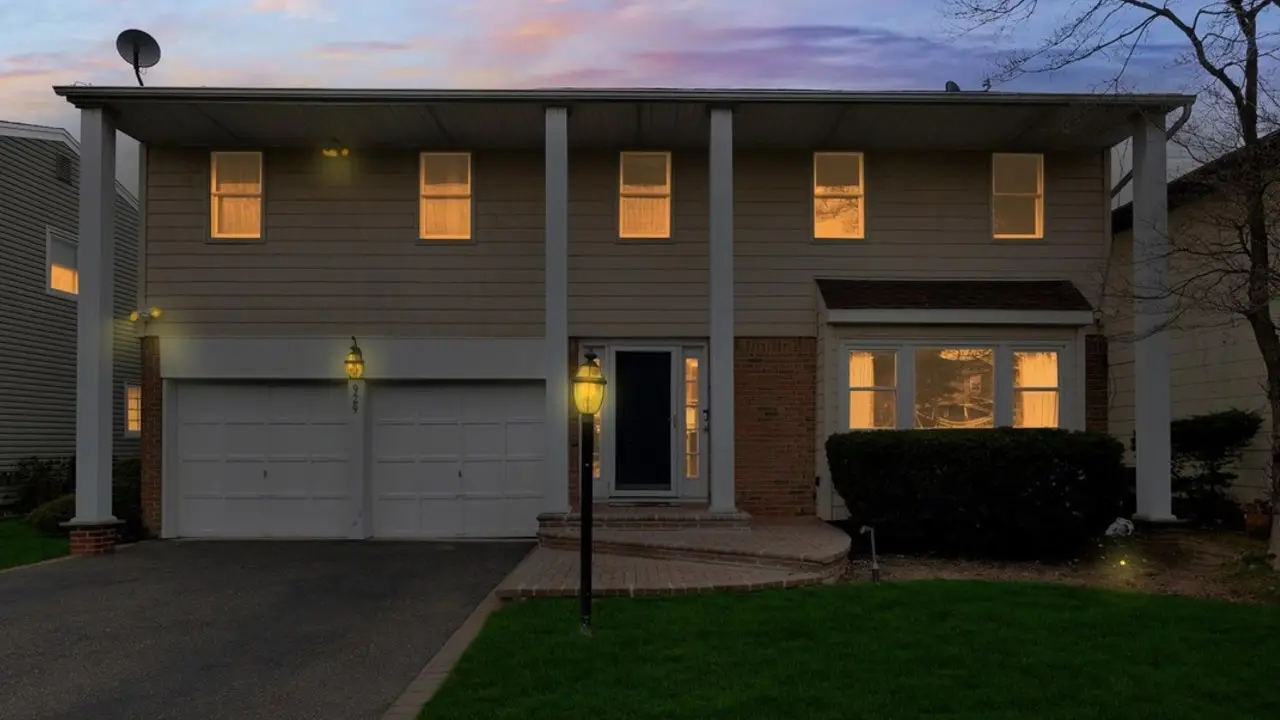
Why Fall Is the Sweet Spot for Roof Replacement
Fall takes the crown for roof replacement timing.
The temperatures sit right in that 45 to 75-degree sweet spot. Your shingles need warmth to activate their sealant strips and bond properly. Fall delivers exactly that without the extreme heat or bitter cold that creates problems.
Our crews work more efficiently in moderate weather. They’re not battling summer heat that softens shingles or winter cold that makes materials brittle. This means faster installations with fewer delays.
Practical Benefits of Fall Timing
Getting your roof done before winter makes sense beyond just weather.
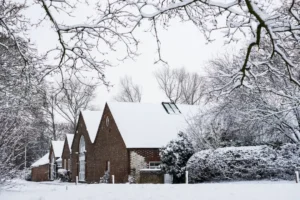
You’re protected during the harshest months of the year. Ice dams can’t exploit weaknesses in an aging roof. Heavy snow loads sit on brand-new shingles designed to handle the weight.
The moderate conditions mean shingles seal quickly and completely. You won’t deal with the slow bonding that happens in cold weather or the over-softening that extreme heat can cause.
The Fall Rush: Plan Ahead
Here’s the catch with fall installations.
Everyone wants their roof done in September and October. Contractors’ schedules fill up fast, sometimes booking out 6 to 8 weeks in advance.
You’ll want to call by late summer to secure your spot. Waiting until October means you might get pushed into November when temperatures start dropping.
Demand can drive prices slightly higher during peak season. The quality weather and ideal conditions make it worth the small premium for most homeowners.
Now that you understand why fall dominates, let’s look at spring installations.
FINANCE YOUR HOME IMPROVEMENT PROJECT TODAY
0% Financing, Quick and Easy Approval
With nearly four decades serving homeowners under our belt, we know what’s needed to make your roofing project a success.
When you work with County Roofing, you get only the best. As little as 0% interest on approval for 5 years, quick approval, easy pay, and all backed by the best guarantees in the industry.
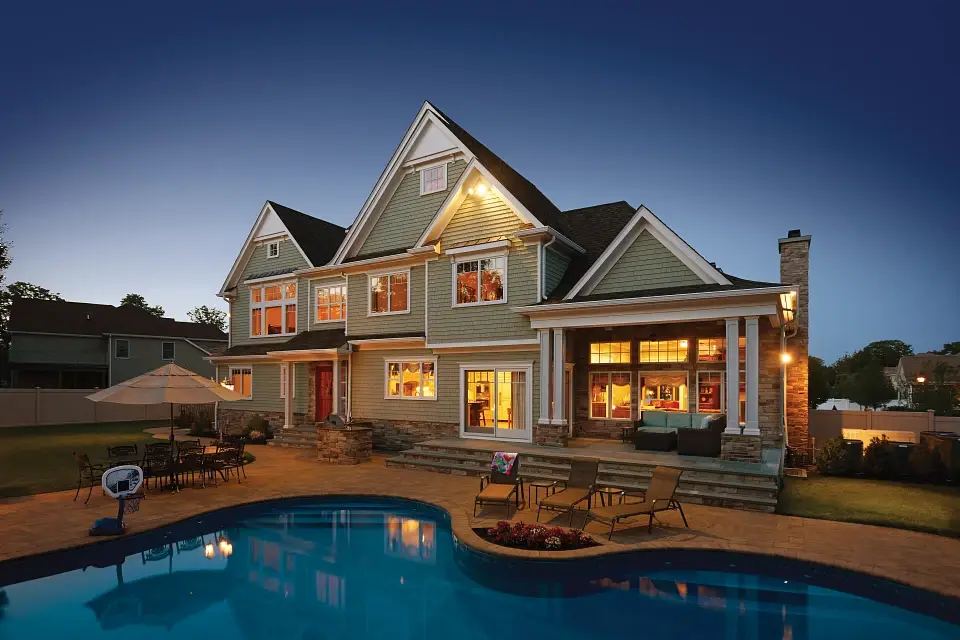
Spring: Good Weather With Rainy Day Risks
Spring offers another solid window for replacement.
Temperatures warm up after winter. Your shingles bond properly. Our crews work comfortably without extreme weather challenges.
Many homeowners use spring to address winter damage. You’ve had months to assess how your roof handled ice and snow. Any problems become obvious once temperatures rise.
When Spring Rain Becomes a Problem
Unpredictable weather is spring’s biggest weakness.
April showers aren’t just a saying—they’re a real scheduling challenge. Rain delays installation because we need dry surfaces for proper shingle application. Even brief storms can push your project back days.
A week of intermittent rain can stretch what should be a 3-day job into 2 weeks. This isn’t anyone’s fault—it’s just the reality of spring weather patterns on Long Island.
Spring Availability Advantages
You’ll typically find better contractor availability in spring compared to fall.
The season hasn’t hit peak demand yet. Most homeowners wait for summer or rush into fall. This means shorter wait times and potentially better pricing.
If you’re planning spring installation, build flexibility into your timeline. Account for weather delays so you’re not stressed when rain appears in the forecast.
Let’s talk about summer installations and what makes them both popular and challenging.
Summer: Peak Season Brings Peak Challenges
Summer is one of the most popular replacement seasons.
The warm, dry weather means consistent conditions. Longer daylight hours let our crews work extended days. Projects often finish faster than during shorter-day seasons.
Heat helps shingles seal quickly and effectively. That thermal sealant on asphalt shingles bonds rapidly in summer temperatures. You get a watertight barrier almost immediately.
The Heat Problem
High demand drives summer’s main challenges.
Prices tend to peak when everyone wants work done. Contractor schedules fill up weeks or months ahead. You might wait until late summer or even early fall if you don’t book early.
Extreme heat creates installation issues. When temperatures soar into the 90s, your roof surface can hit 110 degrees or higher. Soft shingles scuff easily and require extra care during installation.
Our crews have to adjust their approach during heat waves. We work cooler morning hours, store materials in shade, and take extra precautions to prevent damage. This care costs time and sometimes money.
Early Summer Works Best
Schedule for late May or June rather than August.
You’ll avoid the worst heat. Humidity stays lower. Severe thunderstorms haven’t peaked yet. You get summer’s benefits without the extreme conditions.
Early summer also means you might still find decent contractor availability before everyone books up for the season.
That brings us to winter—the season most homeowners want to avoid.
THE BEST GUARANTEE IN THE INDUSTRY
50-Year Material, 25-Year Labor Guarantee
We’ve met the toughest requirements in the residential roofing industry- and we use only the best materials.
That’s why we stand behind our work with the best guarantee in the industry– including warranties only 2% of roofing companies can offer.
Your house deserves the best roofing warranty on the market. Give us a call today and get a brand new roof with a 50-year material, 25-year labor warranty from the best roofing contractor in Long Island and New York.
Winter: Workable But Not Ideal
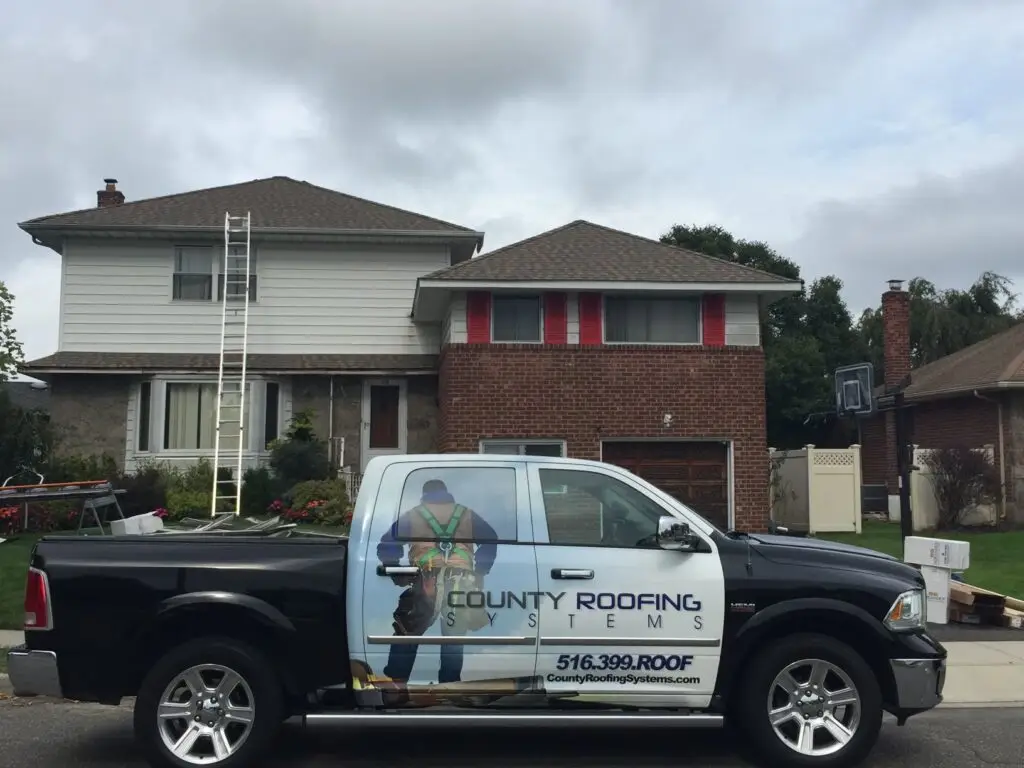
Winter roof replacement is technically possible. However, cold temperatures and winter weather make this the least favorable season for roof replacement, as snow and freezing conditions can interrupt the installation process and impact shingle adhesion and safety.
If you need emergency work after storm damage, we can handle it. But if your roof is simply aging and you have time to wait, we strongly recommend spring or fall instead.
Why Cold Weather Complicates Installation
Asphalt shingles become brittle in freezing temperatures.
They’re harder to cut. They crack more easily. Nailing becomes trickier because the material doesn’t flex like it does in warm weather.
The sealant strips need warmth and sunlight to activate. Winter provides neither consistently. When temperatures drop below 40 degrees, shingles may not seal properly on their own.
Hand-Sealing and Other Techniques
We use hand-sealing methods for winter installations.
This involves manually applying sealant to ensure shingles bond properly despite cold conditions. It works, but it adds labor time and cost to your project.
Short daylight hours limit how much work fits into a single day. A roof that takes 3 days in summer might take 5 or 6 days in December. Snow and ice can cause additional delays.
The Winter Advantage
Here’s the upside to winter replacement.
Contractors have more availability. It’s our slowest season, which means shorter wait times and potentially lower prices. If you’re dealing with a roofing emergency and can’t wait for spring, winter installation is absolutely doable with the right contractor.
We’ve installed countless winter roofs successfully. It just requires more specialized techniques and patience.
With each season covered, let’s talk about Long Island-specific weather patterns.
Long Island Weather: What You Need to Know
Living on Long Island adds specific timing considerations.
Our coastal location means dealing with nor’easters from fall through spring. Hurricane season runs June through November, peaking in August and September. These patterns influence ideal replacement timing.
Planning for roof replacement requires careful consideration of the local climate and the potential for bad weather, which can impact project timing and safety.
Storm Season Planning
Fall timing gets you a new roof before winter nor’easters hit.
You’re done before the worst storms. Your roof won’t face its first major test with decades of wear already behind it.
Planning your replacement before storm season helps prevent wind damage and avoids high winds from complicating the project, since extreme weather conditions can affect both installation and scheduling.
Summer replacement before hurricane season makes sense too. June installations give your roof time to fully seal before late-summer tropical storms potentially arrive.
Salt Air and Humidity
Coastal conditions accelerate roof deterioration.
Salt air is corrosive over time. High humidity encourages algae growth. These factors make timely replacement even more important than in inland areas.
Don’t wait until minor issues become major problems. An aging roof near the coast deteriorates faster than the same roof 20 miles inland.
Sometimes you can’t wait for perfect weather conditions.
That’s when it can really help to work with a professional who knows what they’re doing rain or shine, winter or summer.
Contact County Roofing today to learn how we can transform your old roof.
Fill out the form below or give us a call today at (888) 366-6619 to get started:
When You Can’t Wait for the Ideal Season
Some situations demand immediate replacement regardless of season.
While roof repair can address minor issues, severe roof damage such as leaks or sagging requires immediate replacement to prevent major water damage, and a professional roof inspection is essential to assess the extent of the problem.
Active leaks causing interior damage can’t wait for fall. Missing shingles after a storm need attention now. Structural damage requires emergency response.
Signs You Need Replacement Now
Watch for these urgent problems:
Water stains spreading across your ceiling
Multiple leaks in different areas
Sagging roof sections
Extensive missing or damaged shingles after storms
Daylight visible through your roof boards
Water damage spreads fast. What starts in your attic quickly reaches insulation, framing, drywall, and interior spaces. Mold develops within 24 to 48 hours of water exposure.
Waiting for better weather can cost you thousands in water damage repairs. That expense far exceeds any premium for off-season installation.
Emergency Installation Reality
We’ll handle emergency replacements any season. Choosing professional roofing services ensures your roofing job is completed safely and correctly, removing any risk of personal injury or improper installation.
We take extra precautions during challenging weather. We use specialized techniques for cold installation. We work around rain when necessary.
Your roof protects everything below it. When it’s failing, delaying replacement rarely makes financial sense.
Let’s talk about how to maximize your chosen season.
Getting the Most From Your Installation Timeline
Smart planning makes any season work better.
Contact contractors 2 to 3 months ahead. This is especially critical for fall projects. Early booking gives you time to compare estimates, choose materials, and secure your preferred spot on the schedule.
Build in weather flexibility. Even during ideal seasons, unexpected weather happens. Give your contractor some scheduling flexibility so neither of you stress over a rain delay or cold snap.
Communicate regularly. Stay in touch about weather forecasts and potential delays. Good communication prevents surprises and keeps everyone aligned.
Prepare your property in advance. Move vehicles from the driveway. Cover outdoor furniture. Protect landscaping near your home. These preparations help our crews work efficiently regardless of season.
Why Installation Quality Trumps Season
Here’s what really matters for roof longevity.
The season affects logistics and comfort. Installation quality determines how long your roof lasts. Choosing a good roofing contractor is critical for customer satisfaction and a successful new roof installation. A reputable roofing contractor will help you select the right roofing materials for energy efficiency, durability, and lower energy bills.
Our 25-year labor warranty backs up this quality commitment. A warranty on work and materials provides peace of mind and ensures prompt resolution of any issues.
Certification Makes the Difference
We’re a CertainTeed SELECT ShingleMaster.
As a local roofing company, we understand Long Island and NYC’s unique weather patterns and building codes. We can advise you on when is the best time to replace your roof based on your specific needs and conditions.
This certification requires meeting strict quality standards. We’ve passed detailed examinations. We maintain high customer satisfaction ratings. It’s not automatic—it’s earned.
You get manufacturer-correct installation regardless of weather. We take extra precautions during challenging seasons. We use hand-sealing in cold weather. We adjust techniques for extreme heat.
Our 25-year labor warranty backs up this quality commitment. We’re here for your roof for decades, not just during installation.
Following Manufacturer Specifications
CertainTeed provides detailed installation requirements.
These specifications account for different weather conditions. They outline exactly how to install shingles in various temperatures. They specify when extra techniques are necessary.
Following these guidelines isn’t optional if you want your warranty coverage. It’s also how we ensure your roof performs as designed for its full lifespan.
You’re investing thousands in a new roof. Make sure it’s installed by contractors who know what they’re doing.
Let’s wrap this up with clear guidance on making your decision.
Making Your Seasonal Decision
If you have flexibility, fall or spring offer the best overall conditions. While fall and spring are generally preferred, other seasons can also be suitable for having your roof replaced or a new roof installed, depending on the specific weather patterns in your local area.
Fall gets a slight edge. The moderate temperatures are ideal. You’re protected before winter. The only downside is high demand requiring early booking.
Spring works great if you can handle potential weather delays. You’ll typically find better availability and possibly better pricing than fall.
Summer is fine if you plan early and don’t mind paying peak-season rates. Target early summer to avoid extreme heat.
Winter should be reserved for emergencies. It’s doable but requires specialized techniques and costs more.
The Real Bottom Line
The best time for your roof replacement is when your roof needs it.
Don’t let an aging, damaged roof limp through another year just to hit perfect weather. Water damage costs far exceed any premium for off-season installation. Energy loss from a failing roof adds up quickly.
If your roof is showing its age or causing problems, call us for an inspection. If your roof has suffered damage, your insurance company may be involved in the replacement process, and extreme weather can cause issues potentially leading to more extensive repairs if not addressed promptly. We’ll assess the condition honestly and help you plan the best timing for your specific situation.
We’ve been serving Long Island for over 35 years. We’ve installed roofs in every possible weather condition. We know how to deliver quality results whether it’s perfect fall weather or a February emergency. Before hiring any contractor, be sure to check online reviews and verify their reputation with the Better Business Bureau.
Get Your Free Roof Inspection
Not sure if your roof is ready for replacement?
We’ll come out for a free inspection. You’ll get an honest assessment of your roof’s condition and a clear timeline for replacement. No pressure, just straight answers about what your roof needs.
Call County Roofing Systems today to schedule your inspection. We’ll help you plan the perfect timing for your roof replacement.
Fast & Easy Financing with County Roofing
Financing your commercial roofing project has never been easier.
With County Roofing, you can get fast approvals with as low as 0% financing on new roofing projects for up to 15 years, with payments as low as $149:
First Approvals
0% financing
No income check
Up to 15 years
Monthly payments as low as $149
Fill out the form below or give us a call at (888) 366-6619 today to get started:
Call or contact us today
for your free comprehensive roofing estimate.

Call Us Today: (888) 366-6619
Frequently Asked Questions
What temperature is too cold to replace a roof?
Most manufacturers recommend against installation below 40 degrees Fahrenheit. Below this temperature, asphalt shingles become brittle and the thermal sealant won’t activate properly. However, experienced contractors can work in colder weather using hand-sealing techniques and other specialized methods.
How long does a typical roof replacement take?
Most residential roof replacements take 3 to 5 days in good weather conditions. Complex roofs with multiple levels, valleys, or architectural features may take longer. Weather delays, material delivery issues, or structural repairs can extend the timeline in any season.
Can you replace a roof in the rain?
No, roof installation requires dry conditions. Shingles won’t seal properly to wet surfaces, and the underlayment needs to be applied to dry roof decking. Light morning dew usually dries quickly, but active rain or wet conditions will delay your project.
Does it cost more to replace a roof in winter?
Winter installations may cost slightly more due to the specialized techniques required, such as hand-sealing shingles and dealing with shorter work days. However, lower demand in winter can sometimes offset these additional labor costs, resulting in competitive pricing.
Should I replace my roof before or after selling my house?
If your roof is more than 20 years old or showing visible wear, replacing it before listing usually makes financial sense. Homes with new roofs typically sell faster and for higher prices, often recovering more than the installation cost. Buyers see a new roof as one less major expense they’ll face.
How far in advance should I book a fall roof replacement?
Contact contractors by late July or early August to secure fall installation. September and October are peak months, with schedules often filling 6 to 8 weeks ahead. Waiting until September may push your installation into late fall or early winter.