
UPDATED FOR 2026
How to Spot a Roof Leak Early (Long Island Roof Leak Signs)
Learn to spot roof leak warning signs before they cause costly damage. Tips for Long Island homeowners from a 35-year roofing expert.
Key Takeaways:
- Most roof leaks on Long Island start small and go unnoticed for months, causing hidden structural damage behind your walls and ceilings.
- Ceiling stains, peeling paint, and musty attic smells are early warning signs that every Long Island homeowner should take seriously.
- Regular attic inspections and professional roof evaluations can catch leaks before they turn into five-figure repair bills.
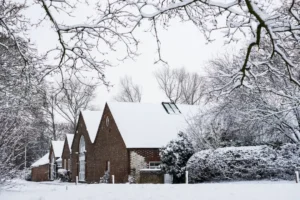
- Nassau and Suffolk County homes are especially vulnerable after nor’easters, heavy snow loads, and the freeze-thaw cycles we deal with every winter.
Here on Long Island, your roof takes a beating.
Between the coastal winds off the Sound, the heavy snow loads we get every winter, and the freeze-thaw cycles that work their way into every crack and seam, it’s no surprise that roof leaks are one of the most common—and most expensive—problems homeowners face in Nassau and Suffolk County.
The real danger isn’t the leak itself. It’s how long the leak goes undetected. A tiny breach in your roofing system can quietly rot your decking, soak your insulation, and invite mold growth for months before you ever see a water stain on your ceiling. By that point, you’re not dealing with a simple repair. You’re dealing with a disaster.
After 35 years of inspecting and repairing roofs across Long Island, I’ve seen what happens when small leaks get ignored. Let me walk you through the early warning signs so you can catch problems before they spiral out of control.


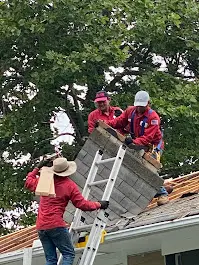
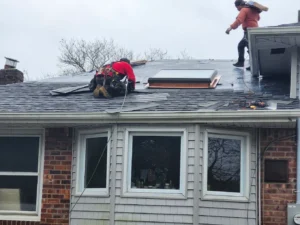
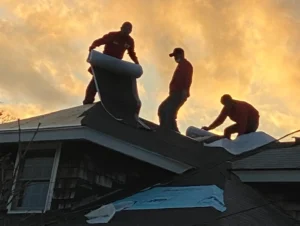
County Roofing Systems team repairing and replacing roofs throughout Long Island.
Check Your Ceilings for Stains and Discoloration
The most obvious early sign of a roof leak is a stain on your ceiling. These usually show up as yellowish-brown or rust-colored patches, and they tend to appear or darken after heavy rain or snowmelt—which happens constantly during Long Island winters.
Don’t ignore a stain just because it looks dry or hasn’t gotten bigger. Water travels along rafters and roof decking before it settles, which means the actual leak could be several feet away from where the stain appears. If you notice any discoloration—even faint—on your ceilings or upper walls, it’s worth investigating.
FINANCE YOUR HOME IMPROVEMENT PROJECT TODAY
0% Financing, Quick and Easy Approval
With nearly four decades serving homeowners under our belt, we know what’s needed to make your roofing project a success.
When you work with County Roofing, you get only the best. As little as 0% interest on approval for 5 years, quick approval, easy pay, and all backed by the best guarantees in the industry.
Look for Peeling Paint and Bubbling Walls
Moisture trapped behind your walls or ceiling drywall can cause paint to peel, bubble, or blister. A lot of homeowners chalk this up to humidity or cheap paint, especially during Long Island’s muggy summer months. But if it’s happening near the ceiling or on your upper floor walls, a roof leak is the more likely culprit.
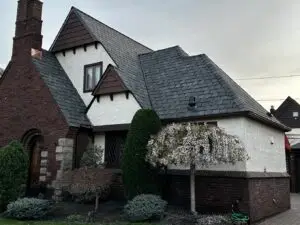
Pay close attention to bathrooms and bedrooms directly below the roofline. These are the areas where roof leaks tend to show interior damage first, especially in the Cape Cods and colonials that are so common across towns like Levittown, Massapequa, and Huntington.
Inspect Your Attic Regularly
Your attic is the first line of defense and the best place to catch a leak early. Grab a flashlight and check for damp or darkened wood on the rafters and decking. Look for insulation that appears wet, compressed, or discolored. If you smell anything musty or damp up there, that’s moisture—and it’s coming from somewhere.
Ideally, you should inspect your attic at least twice a year: once in the fall before winter hits, and once in early spring after the snow and ice have had their way with your roof. If you see daylight coming through the roof boards, that’s not just a leak waiting to happen—it’s a gap that’s already letting in water, air, and pests.
Watch for Mold and Mildew
Mold doesn’t just appear out of nowhere. It needs moisture, and a hidden roof leak is one of the most common sources. If you’re seeing mold growth on your ceilings, attic surfaces, or around your insulation, there’s a very good chance water is getting in from above.
This isn’t just a structural concern—it’s a health concern. Mold exposure can trigger respiratory issues, especially for kids, older adults, and anyone with asthma or allergies. On Long Island, where many homes are 40, 50, or 60+ years old, this is something you need to stay ahead of.


LIFETIME MATERIAL, LIFETIME WORKMANSHIP WARRANTY
Get Industry-Leading Protection
County Roofing Systems can offer you the longest warranties available because we’re a CertainTeed SELECT ShingleMaster, a certification only 1% of contractors qualify for.
We have over 35 years of experience living up to CertainTeed’s tough standards. That means CertainTeed trusts our home improvement work enough to stand behind it with their best guarantees.
To learn more about the industry-leading LIFETIME material, LIFETIME workmanship warranty, click the button below to call us today:
Check Your Shingles and Flashing from the Ground
You don’t need to climb up on the roof to spot trouble. Walk your property and look up. Are there shingles that are cracked, curling, buckling, or missing entirely? Do you see dark streaks or areas where the granule coating has worn away? Any of these conditions mean your roof’s water protection is compromised.
Also look at the flashing around your chimney, skylights, vents, and any dormers. Flashing is designed to seal the most vulnerable joints on your roof, and when it loosens, cracks, or corrodes, water finds its way in fast. This is especially common on older Long Island homes where original flashing was installed decades ago.
Don’t Overlook Your Gutters
Clogged or damaged gutters are a major contributor to roof leaks on Long Island. When gutters fill up with leaves, pine needles, and debris—which happens constantly in neighborhoods with mature trees like those in Dix Hills, Northport, and Garden City—water backs up under the edge of your roof. That water works its way under shingles and into your decking.
Check your gutters regularly and make sure your downspouts are directing water well away from your foundation. If you’re seeing a lot of granules in your gutters, that’s another sign your shingles are deteriorating and may be leaving your roof vulnerable.
Rising Energy Bills Can Be a Clue
If your heating or cooling bills have climbed without explanation, your roof might be the reason. When a leak compromises your attic insulation, your HVAC system has to work harder to maintain temperature. On Long Island, where energy costs are already among the highest in the country, even a small efficiency loss adds up fast over the course of a season.
If you’ve noticed your bills creeping up and can’t pinpoint why, it’s worth having your attic and roof inspected by a professional.
Get a Professional Inspection Before Small Problems Turn Big
The most reliable way to catch a roof leak early is to have a certified roofing contractor inspect your roof at least once a year—and after every major storm. A trained eye catches things most homeowners miss: deteriorating underlayment, micro-cracks in flashing, early signs of ice dam damage, and shingle failures that aren’t visible from the ground.
At County Roofing Systems, we’ve been inspecting and repairing roofs across Long Island for over 35 years. As a CertainTeed SELECT ShingleMaster, GAF Master Elite, and Owens Corning Platinum Preferred contractor, we know exactly what to look for—and exactly how to fix it before it turns into a major expense.
Don’t wait for the water stain to appear. By the time it does, the damage behind your walls is already well ahead of you. A quick inspection now can save you thousands down the road.
Serving Long Island
Get your Long Island home back in top shape with a free roof inspection from County. We serve all of Long Island, from Melville to Huntington and beyond.
Call us today for a free estimate: (631) 400-7663
Click below to take the first step toward your new roof and discover the County Roofing difference today.