
UPDATED FOR 2025
12 Commercial Roof Maintenance Tips: How to Protect Your Investment
Essential commercial roof maintenance tips for Long Island businesses. County Roofing Systems explains inspection schedules, preventive care & repair strategies. 35+ years experience.
Key Takeaways:
- Preventive maintenance extends roof life by 50%+ while costing $0.75-$1.50/sq ft annually ($15,000-$30,000/year for 20,000 sq ft roof) versus $50,000-$100,000+ for emergency water damage repairs or $200,000-$500,000 for premature replacement
- Professional inspections should occur twice yearly (spring and fall) plus after major weather events, with older roofs (10-15+ years) requiring quarterly inspections to catch problems before they cascade into failures
- Clear drains within 48-72 hours to prevent standing water that causes structural sagging, mold growth, and accelerated membrane aging—debris removal should happen quarterly minimum, monthly for tree-surrounded buildings
- Address small issues immediately: A $500 puncture repair today becomes $5,000 when water damages insulation, $20,000+ when it reaches the deck—most warranties require documented maintenance and immediate leak reporting or coverage voids
- Controlling foot traffic (designated walkways, protective pads, restricted access) prevents gradual membrane wear that’s one of the most common and preventable damage causes, while detailed maintenance records verify warranty compliance and support insurance claims
Your commercial roof is a six-figure investment.
Neglect it and you’re looking at premature failure, emergency repairs that shut down operations, and replacement costs decades earlier than necessary.
The truth is, preventive maintenance can extend the life of your roof by 50% or more while costing 3-4 times less than reactive repairs.
That includes:
Regular inspections to catch issues before they become expensive
Debris removal and drain cleaning to prevent water damage
Minor repairs that stop small problems from becoming major issues
Documentation that protects your warranty coverage
Below, we’ll cover practical roof maintenance tips that Long Island building owners can use to protect their roofs and avoid costly repairs.
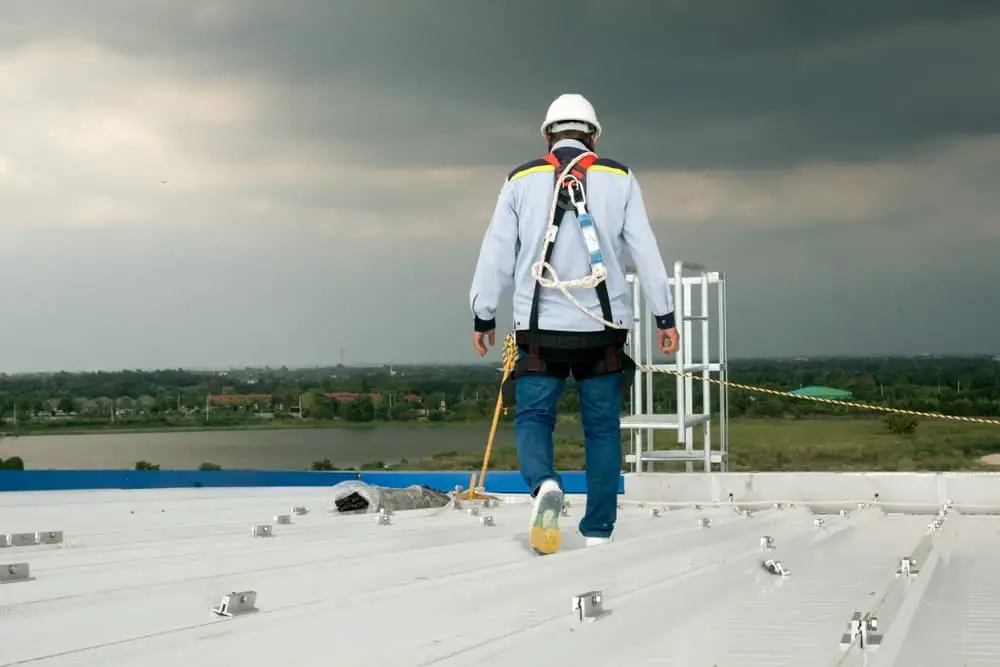
Why Commercial Roof Maintenance Matters
Let’s start with the basics.
A proactive approach towards preventive maintenance minimizes the total and annualized cost of ownership of roofing systems.
Preventive roof maintenance costs a fraction of emergency repairs. Regular maintenance program spending might run $0.75 to $1.50 per square foot annually—for a 20,000 square foot roof, that’s $15,000-$30,000 per year.
Compare that to emergency repairs for water damage: $50,000-$100,000+ when leaks go undetected and damage inventory, equipment, or building structure.
Or compare it to premature roof replacement. A commercial roof that should last 25 years but fails at 15 years due to poor maintenance means you’re paying for replacement a decade early. That could be $200,000-$500,000 in unnecessary costs.
Regular inspections catch minor issues before they become major repairs. A small puncture you can repair for $500 today becomes a $15,000 problem when water infiltrates the insulation and damages the roof deck.
Your warranty likely requires proper maintenance. Most manufacturer warranties require documented regular inspections and immediate leak reporting. Skip maintenance and you might void coverage just when you need it most.
Finally, maintenance protects your business operations. Unexpected roof failure forces emergency repairs during business hours, potentially shutting down operations. Planned maintenance happens on your schedule.
FINANCE YOUR HOME IMPROVEMENT PROJECT TODAY
0% Financing, Quick and Easy Approval
With nearly four decades serving homeowners under our belt, we know what’s needed to make your roofing project a success.
After completing your roof inspection, if repairs or updates are recommended, we’ll do everything we can to make affording your roof repair or replacement quick and easy.
When you work with County Roofing, you get only the best. As little as 0% interest on approval for 5 years, quick approval, easy pay, and all backed by the best guarantees in the industry.
1. Create a Maintenance Schedule
Consistent maintenance program implementation beats reactive approaches every time.
Scheduled maintenance inspections should be performed at least every six months to keep the roof in its best condition.
Here’s a basic schedule that works for most Long Island commercial buildings:
Twice-Yearly Inspections
Spring and fall inspections should be standard for all commercial roofs.
Spring inspections (March-April) assess winter damage. Look for ice dam damage, freeze-thaw cracking, and problems from snow loads. This timing lets you make repairs before summer storms.
Fall inspections (September-October) prepare your roof for winter. Clear drains, check flashing, and make needed repairs before snow and ice arrive.
Post-Storm Inspections
Schedule additional inspections after any major storm—particularly nor’easters that bring high winds and driving rain to Long Island.
Inspect within 48-72 hours after severe weather. This catches storm damage while it’s fresh and before additional weather worsens problems.
Document storm damage immediately for insurance claims. Photos and professional roof inspection reports support claims and speed the process.
More Frequent Inspections for Older Roofs
Older roofing systems (over 10-15 years) might require inspections at a higher frequency, such as quarterly.
As roofs age, small problems develop more frequently. Quarterly inspections catch these issues before they cascade into larger failures.
For roofs approaching the end of their expected life, quarterly inspections help you budget for roof replacement by monitoring the roof’s condition and predicting remaining service life.
2. What Professional Inspections Should Include
Professional roof inspection does more than visual checks from the ground.
A basic commercial roof maintenance plan typically includes roof inspection, cleaning, and an inspection report.
Your roofing contractor should inspect:
Membrane Condition
The waterproofing membrane is your primary defense against leaks.
Inspect for:
Punctures, tears, or cuts in the membrane
Blisters or bubbling that indicate trapped moisture
Splits or cracks from age or thermal stress
Shrinkage that pulls the membrane from walls or penetrations
Loose or failing seams
Many of these problems aren’t visible from ground level. Your contractor should walk the entire roof surface to check membrane condition.
Flashing and Penetrations
Flashing at walls, penetrations, and equipment is where most leaks start.
Check for:
Separated or damaged base flashing
Missing or deteriorated counter flashing
Gaps between flashing and walls
Cracked sealants
Loose or damaged caps on pipe penetrations
Problems around HVAC units, exhaust fans, and vents
Flashing failures often develop gradually. Regular inspections catch deterioration before water gets through.
Drainage System
Proper drainage prevents standing water that accelerates roof aging.
Inspect:
Drains for debris or clogs
Scuppers for blockages
Gutters for accumulation and proper slope
Downspouts for clogs or disconnections
The entire roof for areas with standing water
Standing water is a red flag. If water remains more than 48 hours after rain, you have a drainage problem that needs correction.
Structural Elements
The roof deck and support structure shouldn’t show signs of stress or deterioration.
Look for:
Sagging areas that indicate structural problems
Visible deck deterioration
Loose or damaged fasteners in metal decks
Signs of water infiltration at interior ceilings
Structural issues left unchecked can lead to catastrophic failure. They require immediate attention.
3. Keep Drains Clear
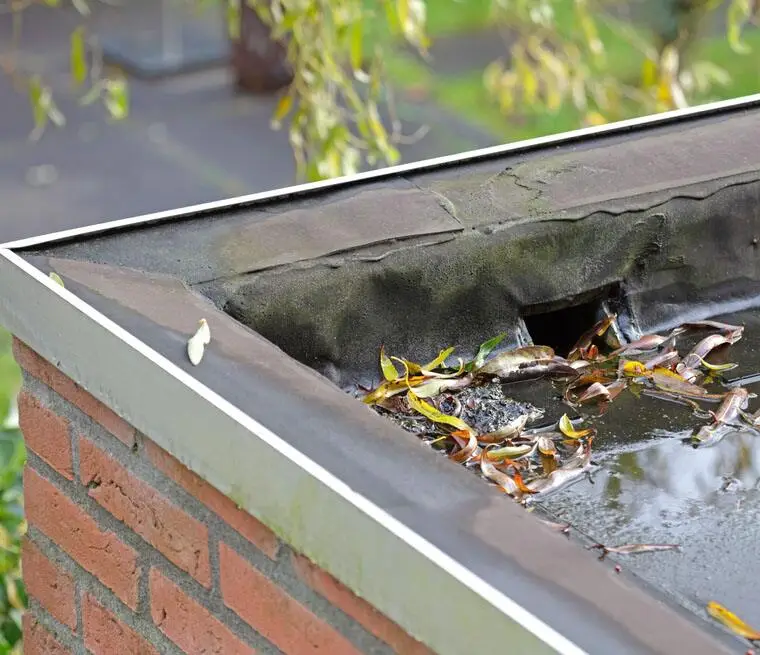
Clogged drains are one of the most common maintenance issues.
Debris accumulation blocks water flow, which leads to standing water that stresses your roof system.
Regular removal of leaves and branches should be done at least quarterly, especially for flat roofs. For Long Island commercial buildings surrounded by trees, you might need monthly drain cleaning.
Clear drains within 48 to 72 hours to avoid structural sagging and mold growth due to standing water.
Here’s what to do:
Remove debris from drain strainers regularly. This is simple preventive maintenance that prevents bigger problems.
Check drainage paths from low points to drains. Make sure water can flow freely across the roof surfaces.
Flush drains periodically to ensure they’re fully clear. Sometimes debris accumulates below the strainer where you can’t see it.
For buildings with internal drains, consider annual camera inspection of drain lines. This catches clogs before they cause backups.
4. Remove Debris Promptly
Debris should be regularly cleared to prevent clogs and standing water on commercial roofs.
Leaves, branches, and other debris trap moisture against the roofing material. This accelerates aging and creates conditions for leaks.
Debris also blocks water flow to drains. Even a small accumulation can redirect water to areas not designed for drainage.
Schedule quarterly debris removal at minimum. For buildings near trees, monthly removal might be necessary.
After storms, inspect and clear debris immediately. High winds can deposit large amounts of material that overwhelms drainage systems.
5. Make Immediate Repairs (Don’t Wait)
Small problems become expensive failures when left unaddressed.
Address small issues like punctures and cracks immediately to prevent water infiltration.
A puncture that costs $500 to repair today becomes a $5,000 problem when water damages insulation. Left unchecked longer, it becomes a $20,000+ problem when water reaches and damages the roof deck.
Minor issues you should repair immediately:
Small punctures or tears in the membrane
Separated seams
Loose flashing
Failed sealants
Minor ponding areas
Emergency repairs for major damage cost significantly more than planned maintenance. Reactive repairs also happen on the problem’s schedule, not yours—often during business hours when they disrupt operations.
6. Limit Roof Traffic
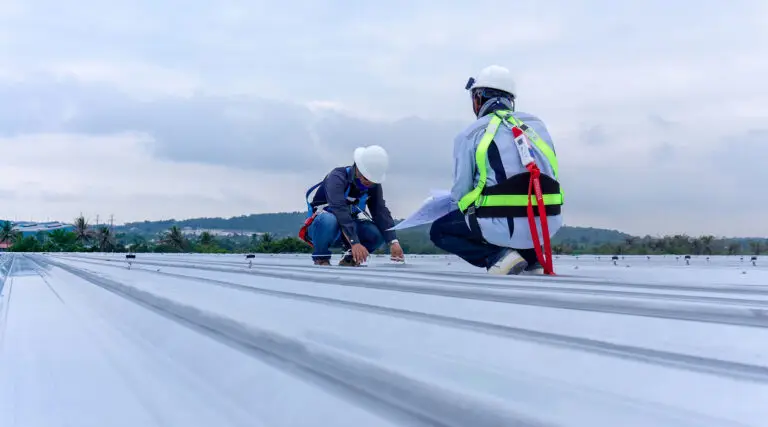
Foot traffic damages commercial roofs gradually.
Every step compresses the membrane slightly. Over time, this causes wear, especially on softer single-ply membranes.
Controlling foot traffic and monitoring roof access can help extend the life of the roof.
Here’s how to protect your investment:
Designate walking paths with protective walkway pads. These distribute weight and protect the membrane from concentrated loads.
Restrict roof access to essential personnel only. Implement a roof access control policy that requires authorization for rooftop work.
Require protective footwear for anyone accessing the roof. No hard-soled shoes or boots that can puncture membranes.
Coordinate with other trades when they need roof access. HVAC contractors, electricians, and other trades should use designated access points and walking paths.
Document all roof access. This helps identify when damage occurred and who might be responsible.
7. Manage Rooftop Equipment
HVAC units, exhaust fans, and other equipment require maintenance that impacts your roof.
When contractors service this equipment, they can damage the roofing material if they’re not careful.
Provide clear instructions about roof protection. Equipment contractors should use walkway pads and avoid dragging tools or parts across the membrane.
Inspect around equipment regularly. Look for:
Damaged membrane from foot traffic
Leaking equipment that pools water
Vibration damage from improperly mounted units
Deteriorated curbs or flashing around equipment
Schedule equipment maintenance during your roof inspection. This lets your roofing contractor identify any damage immediately.

8. Trim Overhanging Vegetation
Regular trimming of overhanging trees helps prevent scratches and debris accumulation on roofs.
Branches that touch your roof during wind storms can abrade the membrane. Over time, this causes serious damage that requires extensive repairs.
Trim branches back at least 6 feet from the roof. This prevents contact during normal conditions and reduces debris accumulation.
For Long Island buildings, schedule trimming before winter. Ice-loaded branches can cause significant damage when they contact the roof.
Clear moss or algae growth immediately. While less common on commercial roofs than residential, growth can occur in shaded areas. It traps moisture and accelerates membrane deterioration.
9. Monitor for Standing Water
Standing water is your roof’s enemy.
Water that remains more than 48 hours after rain stresses the membrane, increases leak risk, and can lead to structural problems.
Check for ponding after every significant rain. Walk the roof or inspect from inside the building for signs of standing water.
Document ponding locations and how long water stands. This information helps your contractor determine if you need drainage corrections.
Options to address standing water:
Add drains in low areas
Install tapered insulation to create positive drainage
Improve existing drain capacity
Add roof crickets to redirect water
Don’t wait until ponding causes leaks. Address drainage issues proactively to protect your roof system.
Maintaining a commercial roof takes consistent work. We can help.
Click the button below to give us a call today:
10. Maintain Sealants
Sealants at penetrations, flashing, and joints deteriorate over time.
UV exposure, temperature cycling, and age cause sealants to crack, shrink, or lose adhesion. Failed sealants let water infiltrate at vulnerable points.
Inspect sealants during every roof inspection. Look for:
Cracking or splitting
Shrinkage that creates gaps
Loss of adhesion
Hardening or brittleness
Re-seal problem areas immediately. Sealant replacement is inexpensive preventive maintenance that prevents expensive water damage.
For Long Island commercial buildings, sealant inspection is particularly important. Freeze-thaw cycles stress sealants more than stable climates.
11. Keep Detailed Records
Documenting every inspection and repair is crucial for verifying warranty compliance and supporting insurance claims.
Your maintenance records should include:
Date of each roof inspection
Findings from the inspection
Photos documenting roof’s condition
Repairs made and costs
Contractor information
Weather events (storms, heavy snow, etc.)
These records serve multiple purposes:
Warranty compliance: Many warranties require documented maintenance. Your records prove you’ve met these requirements.
Insurance claims: Damage documentation supports claims and helps establish cause.
Budget planning: Tracking repair costs helps predict when roof replacement will be necessary.
Property value: Documented maintenance history increases property value and helps with sales.
Legal protection: Records protect you if disputes arise about roof condition or work quality.
Keep records for the life of the roof plus several years. Digital backups ensure you don’t lose critical documentation.
12. Work with Qualified Contractors
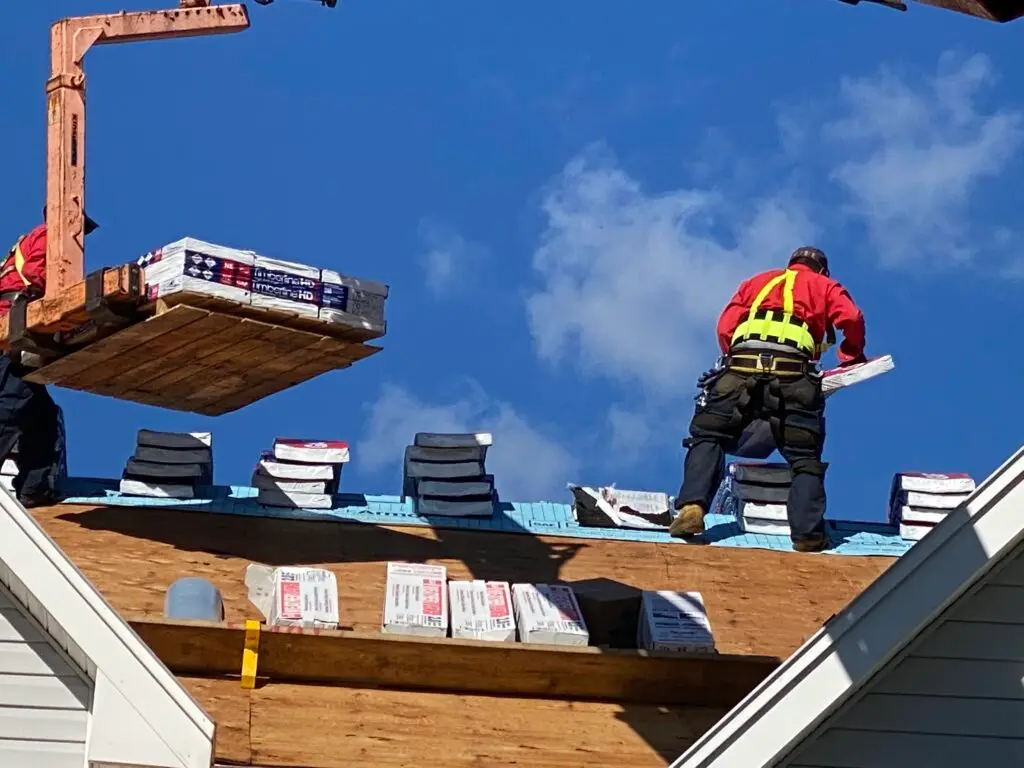
Professional maintenance requires professional expertise.
Researching contractor options should prioritize quality of work and safety practices over cost.
Your roofing contractor should:
Be licensed and insured for commercial work
Have experience with your roof type
Understand Long Island’s coastal climate
Provide detailed inspection reports
Offer preventive maintenance program contracts
Respond quickly to emergency repairs
At County Roofing Systems, we offer comprehensive maintenance programs for Long Island commercial buildings.
We’re GAF Master Elite, CertainTeed SELECT ShingleMaster, and Owens Corning Platinum Preferred certified. That means we have the training and expertise to properly maintain your roof and keep your warranty valid.
The cost of a typical commercial roof maintenance plan can range from $0.03 to $0.04 per square foot for basic programs. The larger the roof area, the higher the total cost for maintenance will be. Accessibility and layout of the roof can significantly affect maintenance costs.
For a comprehensive maintenance program customized to your building, call (631) 400-ROOF, that’s (631) 400-7663.
Bonus: Special Considerations for Long Island Commercial Roofs
Long Island’s coastal environment creates unique maintenance challenges.
Salt Air Exposure
Coastal buildings face accelerated corrosion from salt air.
Metal components—fasteners, flashings, HVAC equipment—require extra attention. Inspect metal elements more frequently and replace corroded components promptly.
Elastomeric or silicone roof coatings can enhance weather resistance and energy efficiency while providing additional protection from salt air.
Freeze-Thaw Cycles
Temperature swings from above to below freezing stress roofing materials.
Water that enters small cracks freezes, expands, and widens those cracks. Over winter, minor issues become major repairs.
Fall inspections should address all minor cracks and openings before winter. This prevents freeze-thaw damage.
Ice Dams
Ice dams form when heat escaping through the roof melts snow. Water runs down and refreezes at the roof edge, creating ice buildup that backs water under the membrane.
Proper insulation and ventilation prevent heat loss that causes ice dams. Your maintenance program should verify insulation condition and adequate ventilation.
If ice dams form, remove them carefully. Never chip ice off the roof—this damages the membrane. Professional snow removal services have equipment to clear ice dams safely.
Heavy Snow Loads
Wet, heavy snow can exceed your roof’s load capacity.
Monitor snow accumulation during winter storms. If snow depth exceeds 12-18 inches, consider professional snow removal to reduce structural risk.
Clear snow from drains and scuppers to maintain drainage paths as snow melts.
Storm Debris
Nor’easters and tropical systems bring high winds that deposit debris on roofs.
Inspect immediately after major storms. Remove debris promptly to prevent membrane damage and drain blockages.
The ROI of Preventive Maintenance
Preventive maintenance delivers clear financial returns.
Consider a 20,000 square foot commercial roof with a 25-year expected life and $300,000 replacement cost.
Without maintenance: The roof fails at 15 years due to neglect. You’ve paid for replacement 10 years early—$300,000 in unnecessary costs.
With maintenance: Annual maintenance costs $15,000-$30,000. Over 25 years, that’s $375,000-$750,000. But the roof reaches its full 25-year life and you avoid premature replacement.
Net savings even with high maintenance: $300,000 (avoided early replacement) vs. $375,000-$750,000 (maintenance costs).
But that’s before considering:
Avoided emergency repairs ($20,000-$50,000 per incident)
Prevented interior damage from leaks ($50,000-$100,000+)
Energy savings from well-maintained roof (10-20% of HVAC costs)
Maintained property value
Avoided business disruption
The actual ROI of preventive maintenance often exceeds 300-400% over the roof’s life.
Choosing the right roofing material can significantly extend the life of a roof, but only if that material is properly maintained throughout its service life.

Protect Your Roof Investment with County Roofing Systems
County Roofing Systems offers comprehensive commercial roof maintenance programs designed to extend roof life and prevent expensive emergency repairs.
Our NRCA-trained professionals have nearly four decades of experience maintaining every type of commercial roofing system across Long Island and Westchester. We know what to look for, we catch problems early, and we make repairs correctly using premium materials from GAF, Owens Corning, and CertainTeed.
We’re not a maintenance company that pushes unnecessary replacement. We’re roofing experts who want your roof to reach its full service life—and we provide the maintenance that makes that happen.
Ready to protect your commercial roof with professional maintenance? Contact us for a free inspection and maintenance program consultation. We’ll provide:
Comprehensive roof inspection (membrane, flashing, drainage, structural elements)
Detailed condition report with photos documenting current state
Recommended maintenance schedule based on roof age and condition
Immediate repair needs versus items to monitor
Custom maintenance program options (frequency, scope, cost)
Documentation procedures for warranty compliance
We’ll also show you the ROI of preventive maintenance versus reactive repairs—the numbers speak for themselves.
Our maintenance programs include regular inspections, debris removal, drain cleaning, minor repairs, and detailed reporting that keeps your warranty valid and your roof performing optimally.
Call County Roofing today at (631) 400-ROOF, that’s (631) 400-7663, to schedule your free roof inspection and discuss maintenance program options.
Fast & Easy Financing with County Roofing
Financing your commercial roofing project has never been easier.
With County Roofing, you can get fast approvals with as low as 0% financing on new roofing projects for up to 15 years, with payments as low as $149:
First Approvals
0% financing
No income check
Up to 15 years
Monthly payments as low as $149
Fill out the form below or give us a call at (631) 400-7663 today to get started:
Call or contact us today
for your free comprehensive roofing estimate.
Call Us Today: (631) 400-7663