
UPDATED FOR 2026
Flat Roof vs. Shingle Roof for Long Island Homes
Flat roof or shingle roof for your Long Island home? County Roofing Systems compares cost, durability, maintenance, and performance in Nassau and Suffolk County’s climate.
Key Takeaways:
- Most Long Island homes use shingle roofs. Architectural shingles dominate residential roofing across Nassau and Suffolk County.
- Flat roofs are common on specific parts of Long Island homes. Rear dormers, garages, additions, and sunrooms frequently use flat membrane systems.
- Climate performance differs significantly. Shingle roofs use gravity to shed water; flat roofs rely on drainage engineering and membrane integrity.
- Cost is closer than most people think. Flat roofs cost less upfront but shingle roofs typically last longer, so lifetime costs often even out.
- Maintenance requirements are different, not more or less. Shingle roofs need granule and flashing checks; flat roofs need drain clearing and seam inspections.
- Your contractor’s experience with both systems matters. The installation techniques are fundamentally different.
Long Island homeowners don’t always get to choose between a flat roof and a shingle roof.
Sometimes the architecture of your home makes the decision for you. But in plenty of situations, particularly when you’re replacing a roof on a cape, a colonial with a flat rear section, a detached garage, or a home addition, you have a real choice to make.
Both systems protect your home. Both have trade-offs. And both perform differently in Nassau and Suffolk County’s demanding climate, where nor’easters, freeze-thaw cycles, summer humidity, and coastal salt air push roofing materials harder than most regions of the country.
This guide breaks down the differences so you can make an informed decision based on your home, your budget, and what actually matters for Long Island weather.
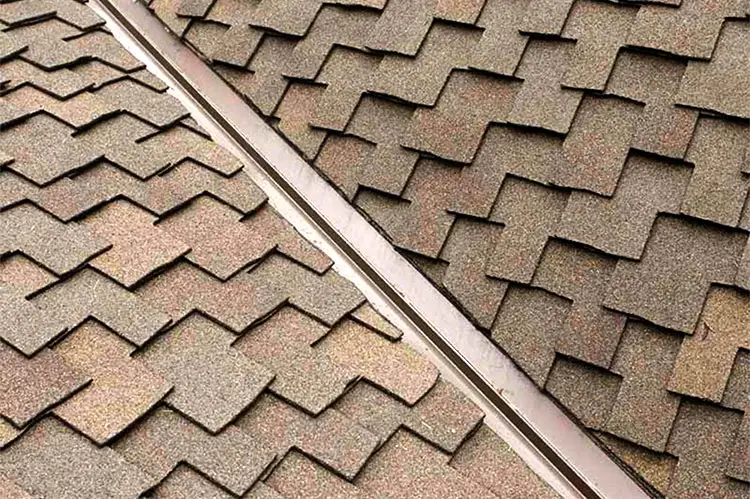
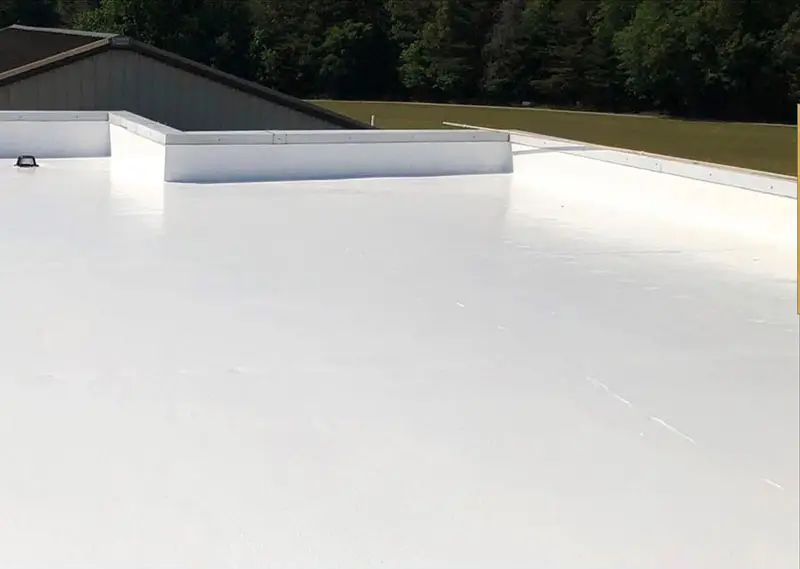
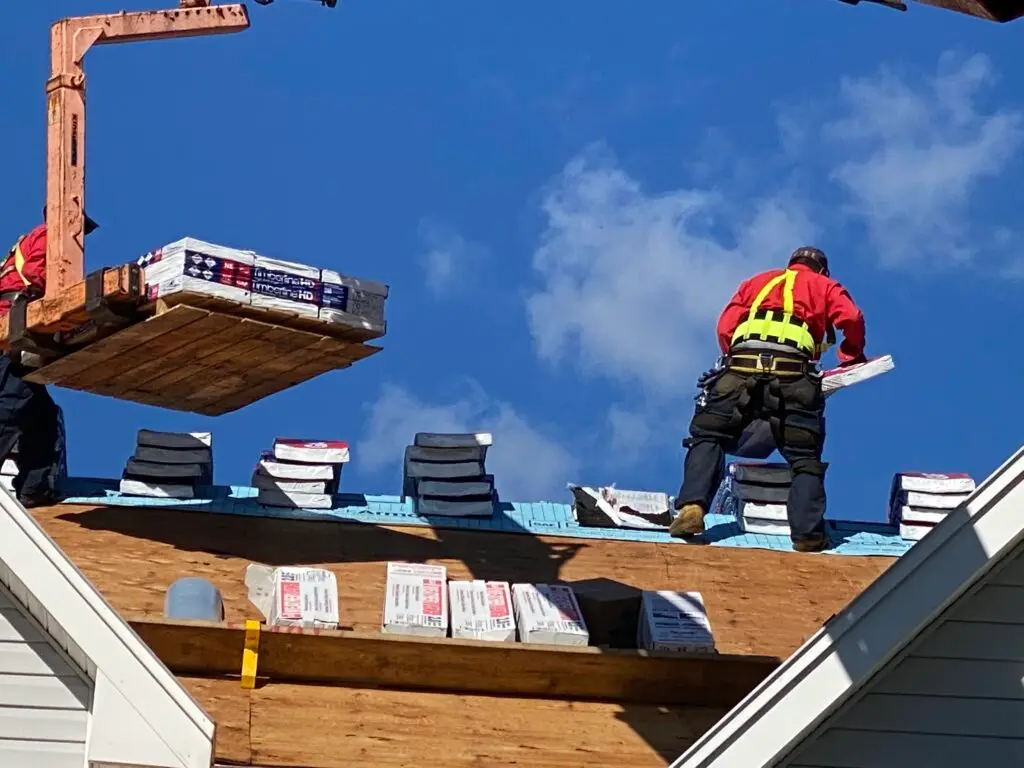
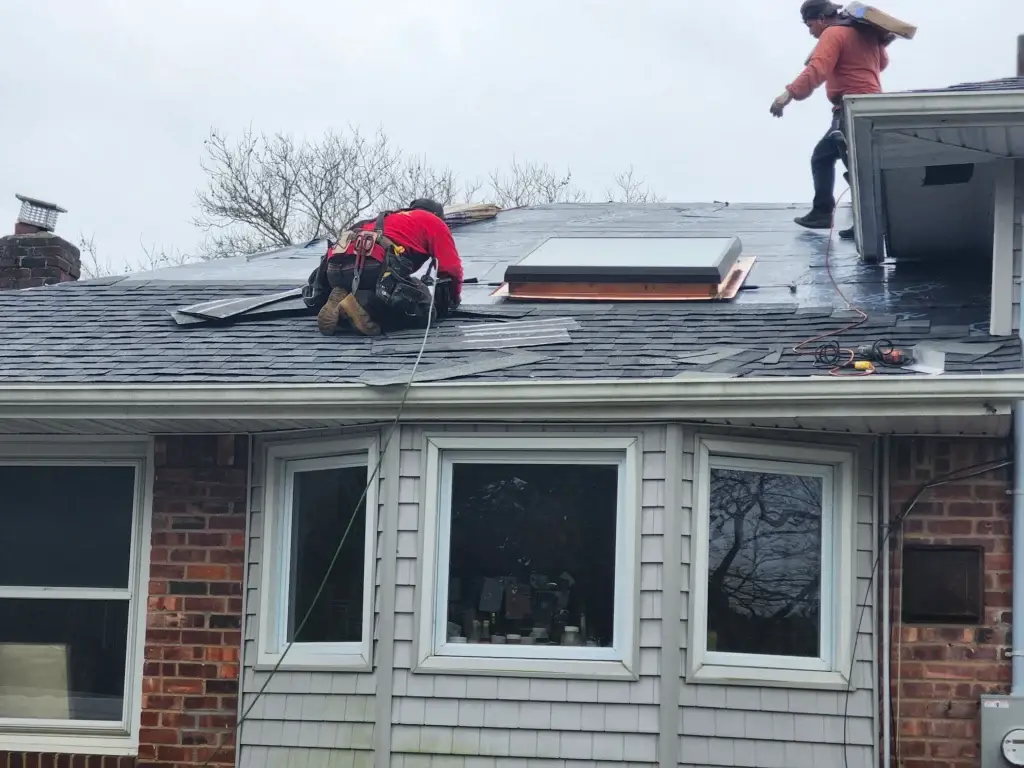
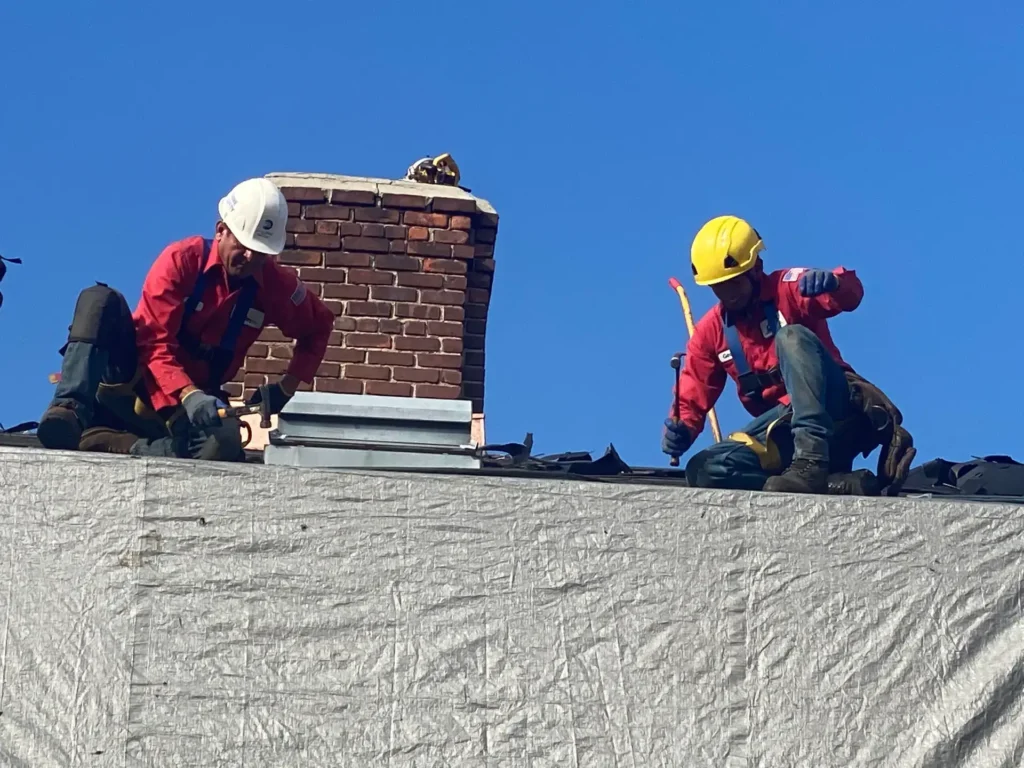
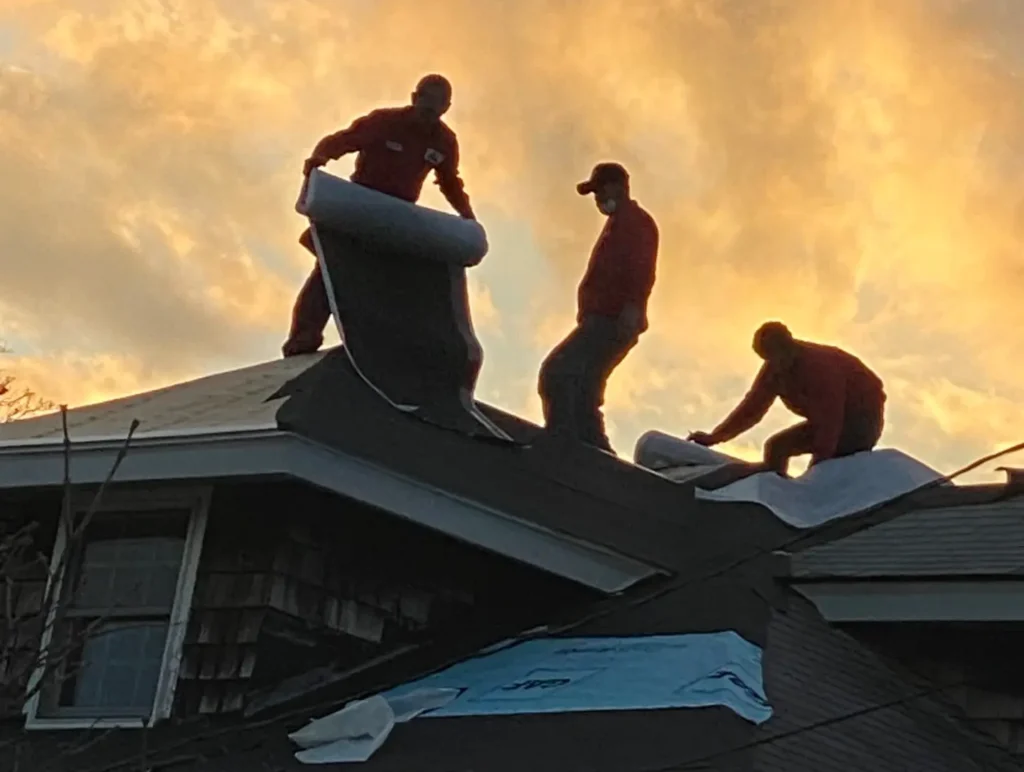
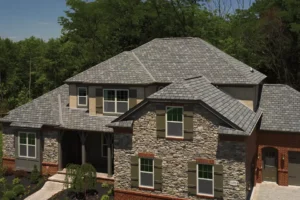
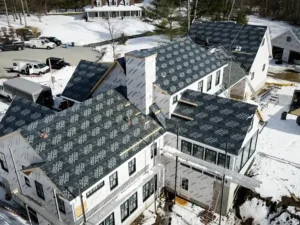
A comparison of shingle vs. flat roofing from recent County Roofing customers.
How Long Island’s Housing Stock Shapes the Decision
Understanding which system fits your home starts with understanding what you’re working with.
Long Island’s residential architecture spans nearly a century of building styles, and each one has its own roofing characteristics.
The postwar developments that define towns like Levittown, Hicksville, Farmingdale, and East Meadow are predominantly cape cods and ranches with pitched shingle roofs. These homes were built in the late 1940s and 1950s with standard asphalt shingle systems on moderate-pitch framing. When it’s time to replace these roofs, shingles are almost always the right call because the structure was designed for them.
Having said that, many of these same homes have been modified over the decades. Rear dormer additions on capes frequently introduce flat roof sections. Enclosed porches, sunroom extensions, and attached garages often have low-slope or flat roofing that connects to the main pitched roof.
If your home has one of these hybrid situations, you’re actually making two roofing decisions: shingles for the main structure and a membrane system for the flat sections.
FINANCE YOUR HOME IMPROVEMENT PROJECT TODAY
0% Financing, Quick and Easy Approval
With nearly four decades serving homeowners under our belt, we know what’s needed to make your roofing project a success.
When you work with County Roofing, you get only the best. As little as 0% interest on approval for 5 years, quick approval, easy pay, and all backed by the best guarantees in the industry.
North Shore colonials and split-levels in communities like Huntington, Northport, Smithtown, and Cold Spring Harbor tend to have steeper pitches with more complex rooflines. Valleys, dormers, and roof-to-wall transitions are common. These homes are shingle territory, though the complexity of the roofline means installation quality matters more than on a simple ranch.
Newer construction and modern additions across both counties sometimes incorporate intentional flat roof design for aesthetic or functional reasons. Rooftop decks, green roof sections, and contemporary architectural styles all call for flat roofing systems engineered for Long Island’s climate.
Shingle Roofs: What Long Island Homeowners Should Know
Shingle roofs are the standard for residential homes on Long Island, and for good reason.
They’re proven, well-understood, and backed by manufacturer warranties that can extend up to 50 years when installed by a certified contractor. Let’s break down what that looks like in practice.
Performance in Long Island Weather
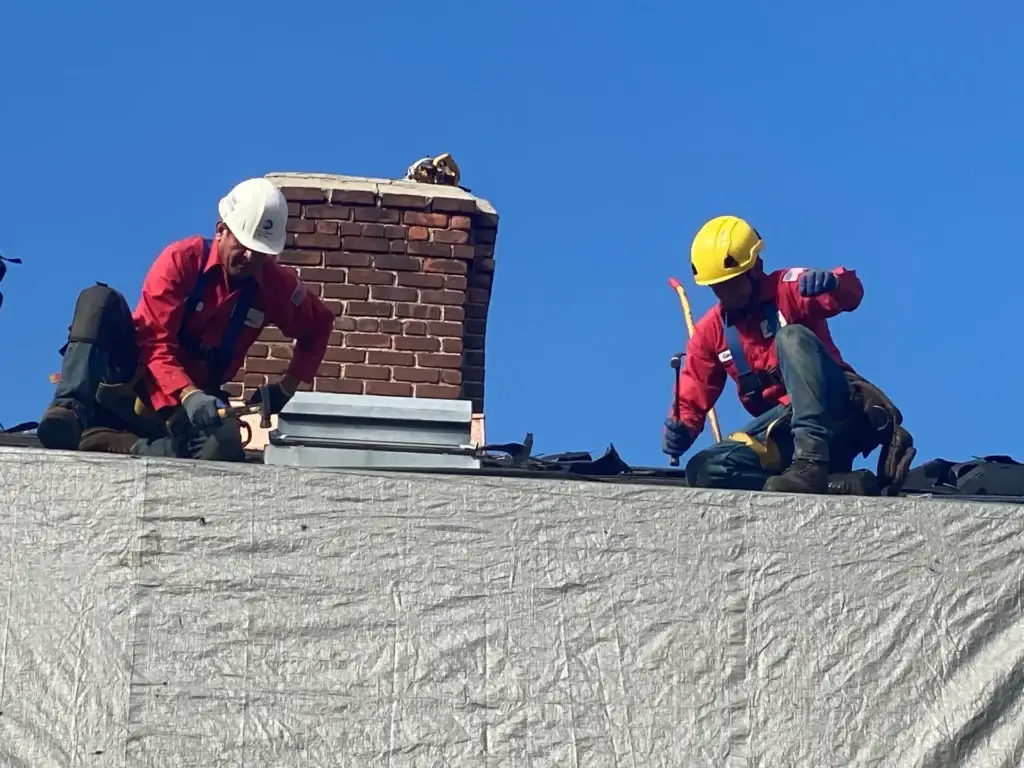
Architectural shingles handle Long Island’s weather cycle well. Products like GAF Timberline HDZ, Owens Corning Duration, and CertainTeed Landmark are engineered for high wind resistance (130+ mph ratings), algae resistance for humid coastal conditions, and impact performance that holds up under hail and falling branches.
The pitched surface sheds water naturally. Rain rolls off, snow slides or melts down the slope, and ice dams are manageable with proper underlayment (GAF WeatherWatch or equivalent) and adequate attic ventilation.
The gravity advantage is significant. Water doesn’t sit on a shingle roof the way it can on a flat surface.
Lifespan and Warranty
A quality architectural shingle roof installed to manufacturer specifications should last 25 to 30 years on Long Island. Premium lines like GAF Grand Sequoia or CertainTeed Grand Manor can push past 30 years with proper maintenance.
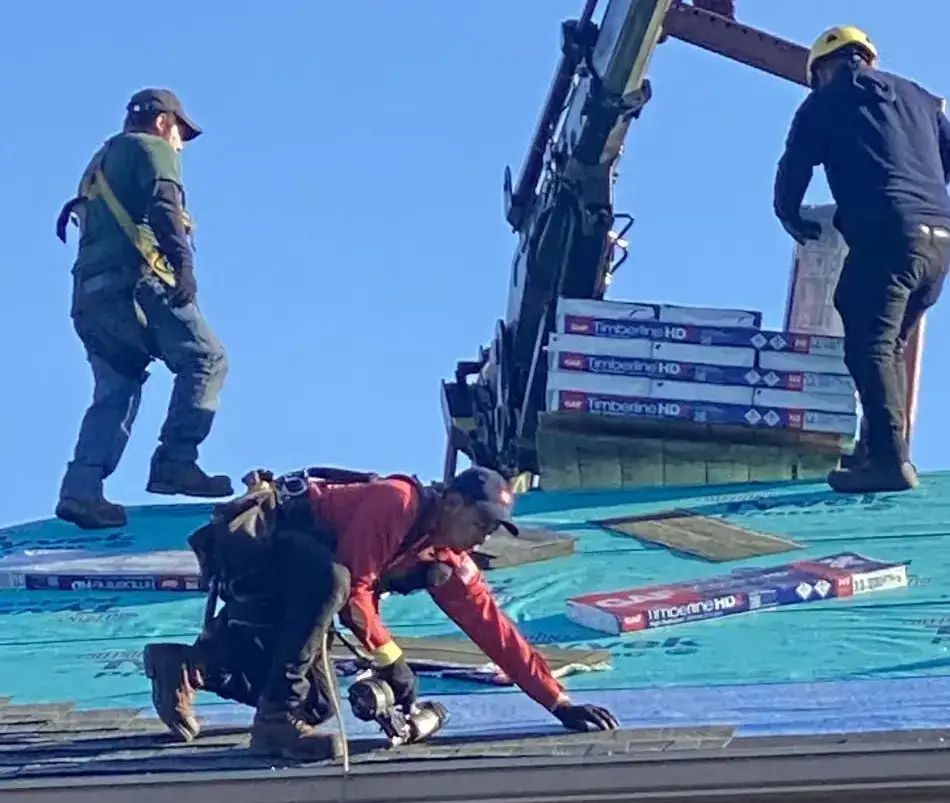
County Roofing Systems’ triple certification (GAF Master Elite, Owens Corning Platinum Preferred, CertainTeed SELECT ShingleMaster) unlocks the highest warranty tiers from all three manufacturers. That means up to 50-year material coverage and 25-year workmanship protection, warranties that standard contractors can’t offer.
Maintenance
Shingle roofs are relatively low-maintenance, but they’re not no-maintenance.
Annual inspections should check for granule loss, lifted or cracked shingles, deteriorating flashing, and gutter condition. On Long Island, the spring inspection after winter is the most important one. Freeze-thaw cycling and nor’easter winds cause the most wear, and catching issues early prevents them from compounding through summer storm season.
Cost
For a standard Long Island home in the 1,800 to 2,500 square foot range, a full shingle roof replacement typically runs between $12,000 and $25,000 depending on the shingle line chosen, roof complexity, and condition of the existing decking. Premium designer shingles and complex rooflines push toward the higher end.


LIFETIME MATERIAL, LIFETIME WORKMANSHIP WARRANTY
Get Industry-Leading Protection
County Roofing Systems can offer you the longest warranties available because we’re a CertainTeed SELECT ShingleMaster, a certification only 1% of contractors qualify for.
We have over 35 years of experience living up to CertainTeed’s tough standards. That means CertainTeed trusts our home improvement work enough to stand behind it with their best guarantees.
To learn more about the industry-leading LIFETIME material, LIFETIME workmanship warranty, click the button below to call us today:
Flat Roofs: What Long Island Homeowners Should Know
Flat roofing serves a different purpose than shingles, and it requires a different approach to installation, maintenance, and material selection.
If your home has flat sections (or you’re planning an addition that will use flat roofing), here’s what matters on Long Island.
Common Flat Roof Locations on Long Island Homes
You’ll find flat roof sections on rear dormer additions (very common on Nassau County capes), attached garages, enclosed porches, sunroom extensions, second-story bump-outs, and some contemporary new construction.
Commercial buildings across Long Island are predominantly flat-roofed, but that’s a different conversation with different material and scale considerations.
Membrane Systems
The three primary flat roof membrane systems used on Long Island residential projects are EPDM (rubber membrane), TPO (thermoplastic polyolefin), and modified bitumen.
EPDM is flexible and performs well in cold weather, which is a genuine advantage when Long Island winters drop into the teens and single digits. TPO offers better energy efficiency through solar reflectance and welds at the seams for a strong bond. Modified bitumen provides excellent waterproofing and handles foot traffic well, making it a good choice for rooftop decks or flat sections that need regular access.
The Drainage Challenge
This is where flat roofs diverge most from shingle roofs.
A pitched shingle roof uses gravity to move water. A flat roof has to be engineered to move water. That means built-in slope (typically a minimum of 1/4 inch per foot), properly sized and positioned drains, and membrane integrity at every seam and edge.
On Long Island, the volume of water that comes with a nor’easter or a heavy summer thunderstorm can overwhelm an undersized drainage system. Ponding water (where water sits on the surface for more than 48 hours after rain) is the single biggest threat to flat roof longevity. It accelerates membrane degradation, adds structural weight, and creates freeze-thaw damage in winter.
Getting drainage right during installation isn’t optional. It’s the difference between a flat roof that lasts 20 years and one that starts leaking in 3.
Lifespan and Maintenance
A well-installed flat roof membrane typically lasts 15 to 25 years depending on the material and maintenance. That’s shorter than a quality shingle system, but the cost per year is often comparable because flat roof installation costs less per square foot.
The trade-off is maintenance frequency. Flat roofs need their drains cleared regularly, especially in fall when leaves accumulate and in spring when winter debris collects. Membrane seams should be inspected annually. Any ponding areas need to be addressed promptly.
If you stay on top of maintenance, a flat roof performs reliably. If you neglect it, problems escalate faster than they would on a pitched shingle roof.
Cost
For residential flat roof sections on Long Island, expect to pay between $5 and $12 per square foot depending on the membrane type, insulation requirements, and accessibility. A 300-square-foot garage flat roof replacement might run $2,500 to $4,500. Larger sections scale accordingly.
When You Have Both: The Hybrid Situation
A lot of Long Island homeowners aren’t choosing between flat and shingle.
They’re dealing with both on the same house. The main pitched roof uses shingles, and the rear addition, garage, or dormer uses a flat membrane.
When that’s the case, the transition point between the two systems is the most critical area on your entire roof. This is where flashing, counter-flashing, and membrane-to-shingle integration have to be executed perfectly. Water follows the path of least resistance, and a poorly detailed transition is an open invitation for leaks.
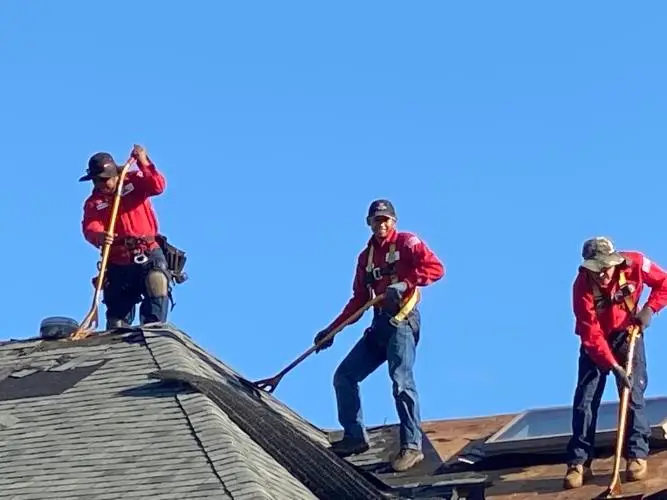
County Roofing Systems handles both shingle and flat roof systems with our own crew, which means the same team that installs your main shingle roof also installs and integrates the flat sections. No handoffs between subcontractors, no gaps in accountability.
That matters more than most homeowners realize until they’ve lived through a leaking transition joint.
The Bottom Line
For most Long Island homes with standard pitched rooflines, shingle roofing is the right choice. The technology is proven, the warranties are strong, and the system is designed for exactly the kind of weather Nassau and Suffolk County delivers year-round.
For flat sections, additions, and specific architectural applications, a professionally installed membrane system performs reliably when drainage is engineered correctly and maintenance isn’t neglected.
The most important factor in either case isn’t the material. It’s the contractor.
A poorly installed shingle roof will fail before a well-installed flat roof, and vice versa. Choose a contractor who has documented experience with both systems and can handle the transition points that make hybrid roofs work.
Why County Roofing Systems
We handle both shingle and flat roofing systems with our own crew, which means the same team installs your main roof and integrates the flat sections. No subcontractor handoffs. No gaps in accountability.
County Roofing Systems is one of the only contractors on Long Island certified at the highest level by all three major manufacturers: GAF Master Elite, Owens Corning Platinum Preferred, and CertainTeed SELECT ShingleMaster. Keith Schmied has been running this company for over 35 years. Whether your home needs shingles, a flat membrane, or both, we’ll evaluate your situation and give you an honest recommendation.
Call us at 631-400-7663 or click here to schedule your free estimate.
Frequently Asked Questions
Can I put shingles on a flat roof?
No. Shingles require a minimum roof pitch (typically 2:12 or steeper) to shed water properly. Installing shingles on a flat or very low-slope surface will result in water pooling under the shingles and leaking into the structure. Flat roofs require membrane systems designed for low-slope applications.
Is a flat roof cheaper than a shingle roof?
Per square foot, flat roof installation generally costs less than shingle installation. Keep in mind that flat roofs typically have a shorter lifespan (15 to 25 years vs. 25 to 30+ years for shingles), so the lifetime cost often evens out. Flat roofs may also require more frequent maintenance.
Which lasts longer on Long Island, a flat roof or a shingle roof?
A quality shingle roof generally outlasts a flat roof membrane. Architectural shingles from GAF, Owens Corning, or CertainTeed typically last 25 to 30+ years on Long Island. Flat roof membranes average 15 to 25 years. Both depend heavily on installation quality and maintenance consistency.
Do flat roofs leak more than shingle roofs?
Not when installed and maintained properly. Flat roofs have a reputation for leaking because poor drainage and neglected maintenance cause problems faster than on pitched roofs. A well-installed flat roof with proper slope and regular drain clearing performs reliably for its full expected lifespan.
My Long Island home has both a flat section and a shingle roof. Can the same contractor handle both?
Yes, and it’s strongly recommended. Having one contractor handle both systems ensures the transition point between flat and shingle sections is properly integrated. County Roofing Systems installs both systems with our own crew, so there are no gaps in workmanship at the critical connection points.
What flat roof material is best for Long Island's climate?
EPDM performs well in cold weather and is a strong choice for Long Island winters. TPO offers better energy efficiency for south-facing flat sections. Modified bitumen excels on surfaces with regular foot traffic. The best choice depends on your specific home and usage. A professional assessment will determine the right fit.
How do I maintain a flat roof section on my Long Island home?
Clear drains and scuppers of debris at least twice a year (spring and fall). Visually inspect the membrane for cracks, blisters, or lifted seams. Check for ponding water after heavy rain. Schedule a professional inspection annually. Consistent attention prevents the small issues that lead to expensive repairs.

Keith Hutchinson Schmied
We Serve the Entire Long Island Area
We serve all of Long Island, from Nassau to Suffolk County. Whether you’re on the coast or in the city, we know the area’s local design preferences, construction needs, and climate challenges.
Call us today for a free estimate: (631) 400-7663