UPDATED FOR 2025
How to Get Insurance to Pay for Roof Replacement
Learn how to get insurance to pay for your roof replacement, including step-by-step instructions and common reasons for being denied.
Key Takeaways:
- Insurance companies typically cover roof replacement only when damage results from sudden, covered events like hailstorms, windstorms, or falling trees—not from normal wear and tear or poor maintenance over time.
- Your first priority after storm damage is safely documenting visible damage with photos and videos, then reviewing your homeowners insurance policy to understand your coverage limits, deductibles, and whether you have actual cash value or replacement cost value coverage.
- A professional inspection from a reputable roofing contractor, combined with thorough documentation and evidence linking damage to a specific covered event, forms the foundation of a successful roof replacement claim.
- Maintaining organized records and clear communication with your insurance provider and adjuster throughout the claims process significantly increases your chances of approval and fair compensation.
- If your initial claim is denied or underpaid, you have options including appeals, hiring a public adjuster, or consulting with an attorney, though you may need alternative financing to complete the replacement project.
Getting your insurance to pay for roof replacement isn’t about gaming the system—it’s about understanding how homeowners insurance works, properly documenting legitimate damage, and following the correct procedures to secure coverage you’re entitled to under your policy.
Many homeowners discover too late that their standard homeowners insurance policy doesn’t automatically cover roof replacement for any reason.
Insurance companies distinguish between sudden, accidental damage from covered perils and predictable deterioration from age or neglect. Understanding this distinction is crucial for anyone hoping to get insurance coverage for a new roof.
In this comprehensive guide, we’ll walk you through the exact steps to maximize your chances of getting your insurance company to approve and pay for a full roof replacement, from initial damage documentation through final payment collection.
How Roof Insurance Works for Replacement
Roof coverage operates as part of Coverage A (dwelling protection) in your standard homeowners insurance policy, whether you have an HO-3 special form or HO-5 comprehensive form policy. This coverage only applies when roof damage results from sudden, accidental events specifically listed as covered perils in your insurance contract.
Your homeowners insurance policy covers roofs damaged by these common perils:
Hail and windstorms: Direct impact damage from hailstones or wind-driven debris, missing shingles from high winds, tornado or hurricane damage
Fire and lightning: Roof burns, structural damage from lightning strikes, smoke damage requiring replacement
Falling objects: Tree limbs or entire trees blown onto the roof, aircraft debris, falling ice from upper structures
Weight of ice and snow: Structural collapse or significant damage from excessive snow loads or ice dam formation
Impact events: Vehicle crashes into the house, vandalism causing immediate roof damage
These covered events contrast sharply with excluded causes that insurance won’t pay for:
Gradual deterioration: Normal aging of a 25-year-old asphalt shingle roof, UV damage over time, granule loss from weathering
Poor maintenance: Chronic leaks ignored for years, moss buildup damaging shingles, clogged gutters causing ice dams
Installation defects: Improperly installed shingles, inadequate ventilation, substandard materials that fail prematurely
Routine wear: Curling shingles on older roofs, minor nail pops, normal settling cracks
Consider this example: A June 12, 2023 hailstorm with 1-inch hail strikes Dallas, Texas, causing visible damage to asphalt shingles and exposing underlayment on a 10-year-old roof. This sudden, documented weather event with clear before-and-after damage typically qualifies for full roof replacement coverage under most policies.
Insurance companies decide between patch repairs and full replacement based on damage extent, roof age, local building codes requiring matching materials, and specific policy language about cosmetic versus functional damage.
The key is demonstrating that storm damage compromised the roof’s integrity beyond what spot repairs can reasonably address.
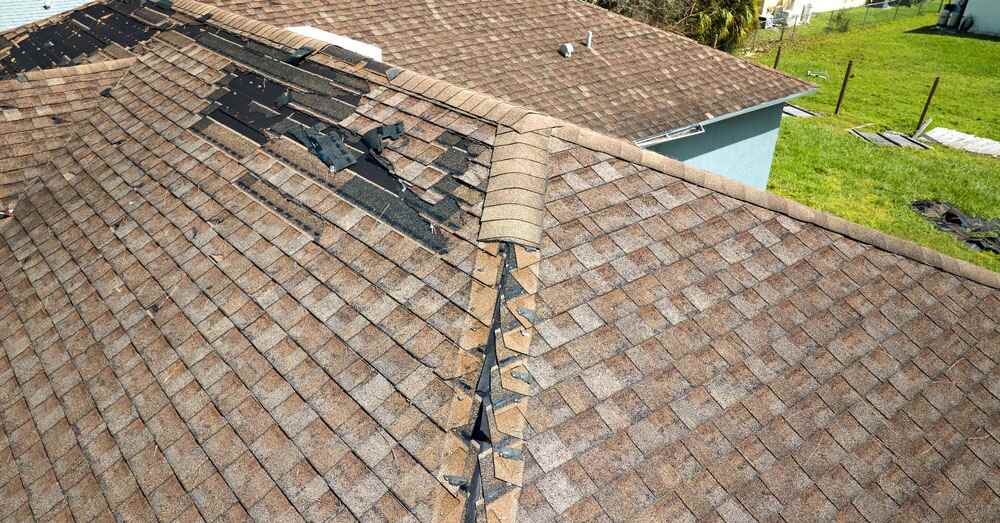
Step 1: Document Roof Damage Immediately and Safely
Your first move after any suspected roof damage is comprehensive documentation, completed before calling contractors or filing your insurance claim. This evidence forms the foundation of your entire claim, so thoroughness and timing matter significantly.
Essential photo and video documentation:
Roof surface damage: Missing shingles, lifted or creased shingles, exposed underlayment, granule loss patterns, cracked or broken tiles
Scattered debris: Shingles blown into the yard, roofing materials in gutters, fragments showing fresh tear patterns
Structural issues: Visible sagging areas, damaged or separated flashing, bent or displaced vents and roof penetrations
Supporting evidence: Dents on metal mailboxes, AC condenser fins, aluminum siding, garage doors, and window screens that confirm hail impact
Interior damage: Water stains on ceilings, peeling paint on upper walls, wet insulation visible in attic spaces, warped drywall around skylights
Documentation best practices:
Use your smartphone to capture timestamped photos and short videos from ground level, using zoom features to show roof details clearly
Consider a monopod or legally-operated drone for better roof surface visibility, but never climb on steep or potentially damaged roofing
Photograph the same areas from multiple angles to show damage extent and context
Include wide shots showing the overall property and close-ups highlighting specific damage points
Weather event verification:
Screenshot local weather reports, National Weather Service alerts, or radar images showing the storm’s path over your property
Note specific dates and times: “70 mph straight-line winds on August 18, 2024, at approximately 3:30 PM”
Save news articles or social media posts from neighbors documenting the same storm event in your area
This systematic approach to damage documentation often determines whether your roof damage claims succeed or fail during the insurance adjuster’s evaluation process.
FINANCE YOUR HOME IMPROVEMENT PROJECT TODAY
0% Financing, Quick and Easy Approval
With nearly four decades serving homeowners under our belt, we know what’s needed to make your roofing project a success.
When you work with County Roofing, you get only the best. As little as 0% interest on approval for 5 years, quick approval, easy pay, and all backed by the best guarantees in the industry.
Step 2: Review and Understand Your Homeowners Policy
Before filing any claim, request a complete copy of your homeowners insurance policy from your insurance agent, including the Declarations Page and any roof-specific endorsements or modifications that affect coverage.
Critical policy sections to examine:
Your Coverage A limit determines the maximum amount available for dwelling repairs, including roof replacement. Look for your all-perils deductible amount and any separate percentage-based deductibles for wind or hail damage—common in states like Texas, Oklahoma, and Florida where these can range from 1-5% of your dwelling coverage limit.
Search your policy document (use Ctrl+F) for key terms like “roof,” “windstorm,” “hail,” “cosmetic damage,” “matching,” “actual cash value,” and “replacement cost” to quickly locate relevant coverage sections and exclusions.
Understanding ACV versus RCV coverage:
Actual Cash Value (ACV) policies pay the depreciated value of your roof at the time of loss. For example, a 15-year-old roof that cost $30,000 new might receive only $15,000 under ACV coverage after depreciation, leaving you responsible for the remaining replacement cost.
Replacement Cost Value (RCV) policies aim to cover the full cost of replacing your damaged roof with similar materials, though they often use a two-payment system: initial actual cash payment followed by recoverable depreciation released after project completion.
Age-based coverage limitations:
Many insurance providers now automatically convert roof coverage from RCV to ACV once roofs reach certain ages—typically 10-15 years for standard asphalt shingles. Some insurers refuse to write new policies on homes with roofs older than 20 years without immediate replacement.
Call your insurance agent directly with this specific question: “If my roof was damaged by a documented hailstorm on [specific date], would this policy pay for full replacement or only partial repairs?” Their answer helps you understand whether filing a claim makes financial sense given your deductible and coverage limitations.
Review any cosmetic damage exclusions, particularly for metal roofing where small hail dents might be excluded if they don’t affect the roof’s waterproofing function. Understanding these limitations upfront prevents disappointment during the claims process.
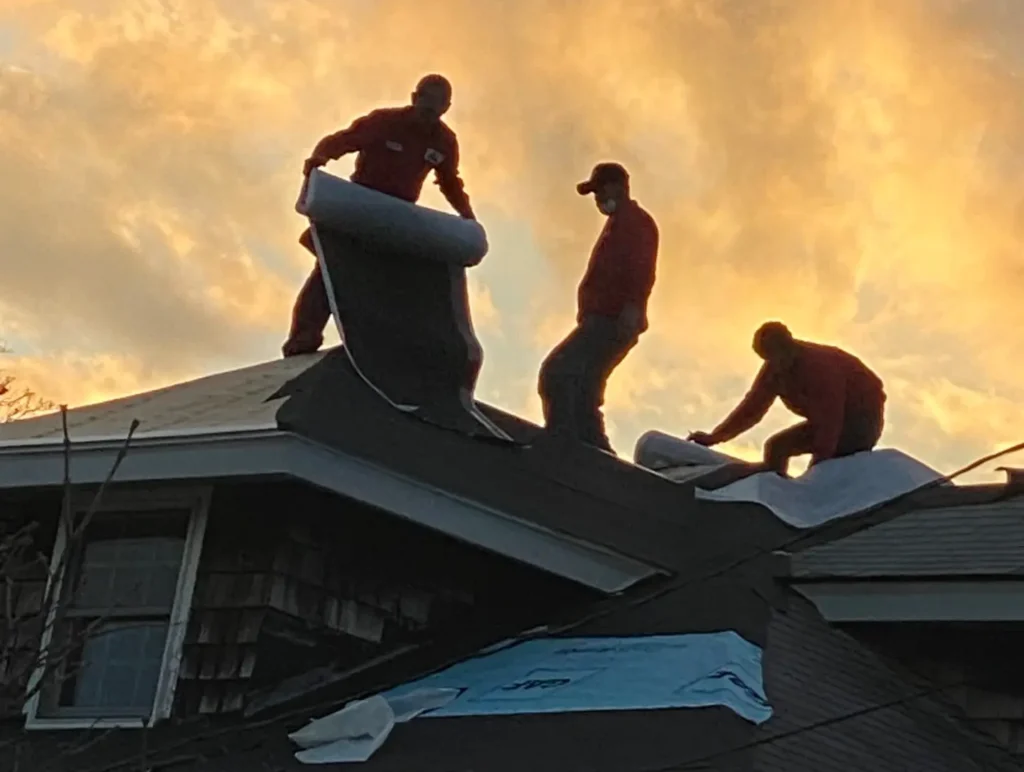
Step 3: Get a Professional Roof Inspection Before Filing a Claim
Many reputable roofing companies offer free storm damage inspections, and obtaining a detailed contractor assessment before filing helps avoid wasting a claim on normal wear issues that insurance won’t cover.
Finding qualified roofing contractors:
Locate licensed, insured local roofing contractors through your state’s contractor licensing database, Google reviews, and referrals from neighbors who’ve had recent roof work completed. Avoid door-to-door storm chaser companies that appear immediately after severe weather events with high-pressure sales tactics.
Professional inspection components:
A thorough storm damage inspection includes the contractor safely walking the roof surface (when conditions permit), using chalk to circle hail impact points on shingles and metal surfaces, noting missing or damaged shingles, inspecting flashing and roof penetrations, and checking attic spaces for leaks or structural damage.
Required documentation from contractors:
Request a written inspection report dated with the inspection date (example: “Inspection completed April 7, 2025”), embedded or attached photographs showing damage details, and a comprehensive estimate separating labor costs, materials, tear-off expenses, underlayment, flashing, and any local building code upgrades required.
Multiple estimate strategy:
Obtain at least two estimates when possible, especially if the initial quote seems unusually high or low compared to local market rates. Insurance companies gain confidence when multiple contractors provide consistent damage assessments and realistic pricing for your geographic area.
Pre-claim decision making:
If the roofing contractor concludes damage is primarily age-related with only minor storm impact, consider skipping the insurance claim to avoid a recorded loss on your claim history that could affect future premiums or renewability without providing meaningful financial benefit.
Working with a reputable roofing company that understands insurance work helps ensure your documentation meets adjuster expectations and supports the technical arguments needed for roof replacement approval rather than limited repair coverage.

Step 4: File the Roof Insurance Claim the Right Way
Once you’ve gathered photographic evidence, obtained a professional contractor assessment, and confirmed your policy coverage details, promptly file your roof insurance claim through your insurer’s preferred method—website portal, mobile app, or claims hotline.
Essential information for claim filing:
Have your policy number, specific date and time of the damaging event, type of weather event (“hailstorm on June 10, 2024”), brief description of visible damage, and confirmation that no immediate safety hazards exist when you contact your insurance company.
Requesting proper adjuster inspection:
Inform the claims representative that a licensed roofing contractor has already inspected your roof and identified storm damage warranting replacement consideration. Specifically request an in-person insurance adjuster inspection rather than accepting satellite imagery or drone-only assessments that may miss critical damage details.
Claim organization system:
Create a dedicated claim folder (digital or physical) containing all photographs, videos, contractor reports, repair estimates, receipts for emergency tarping, and a detailed log of every conversation with insurance representatives, including dates, names, and discussion summaries.
Understanding state-specific timelines:
Insurance companies must acknowledge claims within specific timeframes—typically 10-15 business days in most states—and provide coverage decisions within 30-60 days, though exact requirements vary by state insurance regulations and individual policy terms.
Creating written communication trails:
Follow up all phone conversations with email or secure portal messages summarizing what was discussed and any commitments made by insurance representatives, particularly regarding inspection scheduling, supplemental reviews, or payment timelines.
This systematic approach to the insurance process helps ensure nothing falls through administrative cracks and provides documentation if disputes arise later in your claims process.
Step 5: Work With the Adjuster and Align on the Scope of Work
The insurance adjuster’s inspection represents the critical decision point where coverage determinations are made, so preparation and professional representation significantly impact your claim’s success.
Coordinating the adjuster visit:
Schedule the adjuster inspection when your chosen roofing contractor can attend, allowing the contractor to safely access roof areas, point out storm damage details, and discuss local building codes or manufacturer requirements directly with the insurance adjuster.
What adjusters evaluate:
Insurance adjusters examine roof age, hail impact density per square foot, missing or damaged shingles from wind events, soft spots in roof decking, flashing failures, and most importantly, evidence distinguishing sudden storm damage from long-term deterioration or poor maintenance.
Active participation strategies:
Walk your property perimeter with the adjuster while your contractor works on the roof, ask questions about damage assessment methods, and take notes or voice recordings about what the adjuster acknowledges as legitimate storm-related damage requiring repair or replacement.
Understanding the insurance estimate:
After inspection completion, your insurance provider will issue a detailed scope of loss estimate listing tear-off costs, underlayment, shingles or other roofing materials, flashing repairs, vents, drip edge installation, and sometimes code upgrade requirements, along with actual cash value, depreciation amounts, and replacement cost value calculations.
Scope comparison and supplements:
Compare the insurance scope carefully against your contractor’s estimate, noting missing line items such as ridge vents, starter strips, ice-and-water shield required by local building codes, overhead and profit margins, or municipal permit fees that legitimate roof replacement projects require.
Supplemental claim requests:
When the insurer’s initial scope appears incomplete, request supplemental consideration by having your roofing contractor prepare detailed justifications for additional items, then submit this documentation through proper channels for adjuster review and potential approval.
This collaborative approach between homeowner, contractor, and adjuster helps ensure the approved scope reflects actual replacement requirements rather than minimal repair approaches that may not meet manufacturer warranties or building code standards.
THE BEST GUARANTEE IN THE INDUSTRY
50-Year Material, 25-Year Labor Guarantee
We’ve met the toughest requirements in the residential roofing industry- and we use only the best materials.
That’s why we stand behind our work with the best guarantee in the industry– including warranties only 2% of roofing companies can offer.
Your house deserves the best roofing warranty on the market. Give us a call today and get a brand new roof with a 50-year material, 25-year labor warranty from the best roofing contractor in Long Island and New York.
Step 6: Replace the Roof and Collect All Insurance Payments
Once your insurance claim receives approval and the initial payment is issued, you can proceed with contractor selection and project scheduling based on the agreed-upon scope of work and coverage amounts.
Payment structures for different coverage types:
Actual Cash Value policies typically issue a single check for the depreciated roof value minus your deductible, leaving homeowners responsible for covering additional costs needed to install a code-compliant new roof with current material prices.
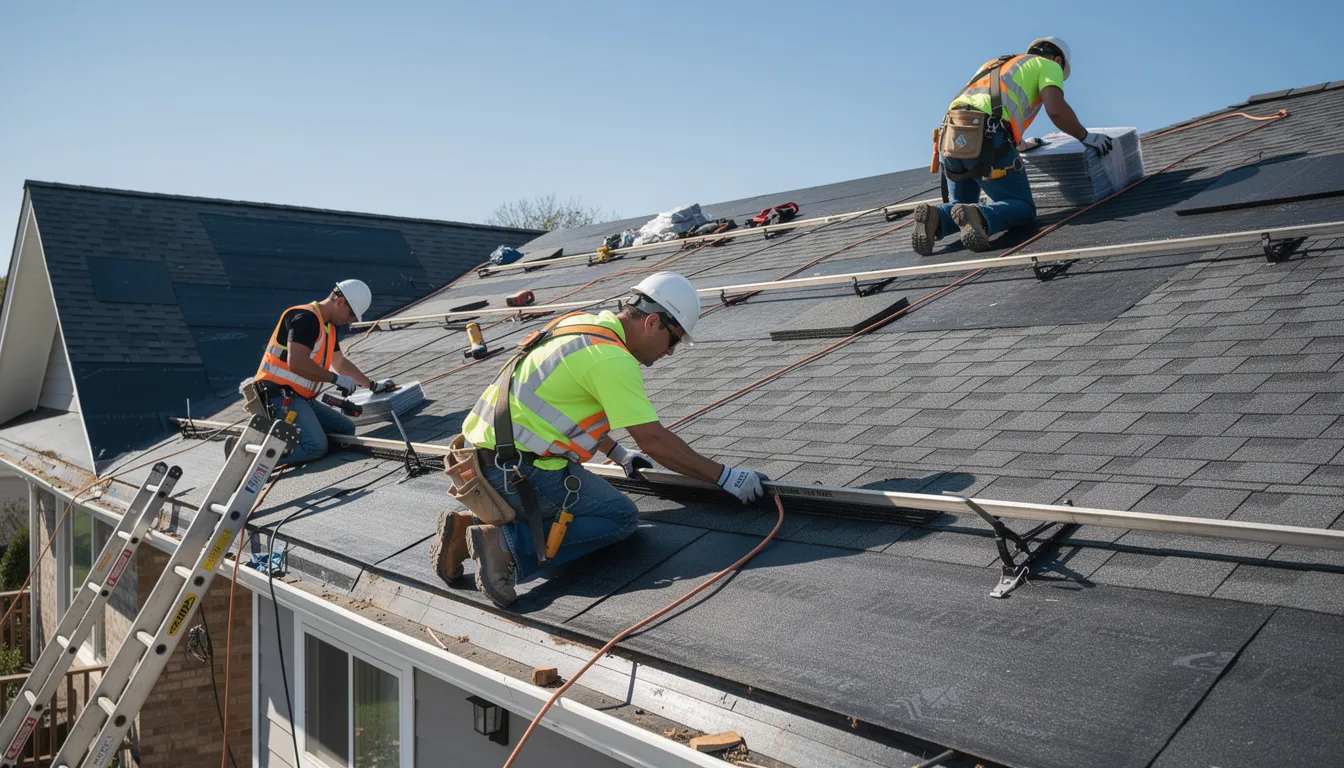
Replacement Cost Value policies use a two-payment system: an initial actual cash value payment when the claim is approved, followed by recoverable depreciation release after roof replacement completion and submission of proper documentation to your insurance provider.
Mortgage lender coordination:
If you have a mortgage, your lender’s name typically appears on insurance checks, requiring their signature or approval for fund release. Contact your mortgage company early to understand their inspection requirements, signature procedures, or staged payment processes that could affect project timing.
Documentation for final payment:
Maintain comprehensive records including final invoices, lien waivers from all subcontractors, manufacturer warranty documentation, workmanship warranties, and completion photographs that demonstrate adherence to the approved scope of work and local building codes.
Premium discount opportunities:
Verify with your insurance agent whether your new impact-resistant shingles, fire-resistant materials, or other upgraded roofing features qualify for homeowners insurance premium reductions, and request these discounts in writing once project completion is documented.
Example payment timeline:
A typical replacement cost value claim might follow this schedule: claim filed in May following spring storm damage, roof replacement completed in June during favorable weather, and final recoverable depreciation check received in July after documentation submission and review.
Proper coordination between all parties ensures smooth project completion and full collection of insurance benefits you’re entitled to receive under your homeowners insurance policy terms.
Common Reasons Roof Replacement Claims Are Denied (and What to Do)
Not every roof damage claim receives approval, and understanding frequent denial reasons helps homeowners avoid common mistakes while preparing effective appeals when legitimate claims are initially refused.
Typical denial reasons:
Insurance companies frequently deny claims when damage appears related to normal wear and tear rather than sudden storm events, when pre-existing roof problems are documented in previous inspections, when homeowners fail to report damage within policy-required timeframes, or when insufficient evidence links damage to specific covered perils.
Cosmetic damage exclusions:
Many policies now include explicit cosmetic damage exclusions, particularly for metal roofing where small hail impacts may create visible dents without compromising the roof’s waterproofing function or structural integrity.
Understanding denial documentation:
Request detailed written denial letters citing specific policy language and exclusions, so you understand exactly why your claim was refused and can evaluate whether the insurance company’s reasoning aligns with your policy terms and actual roof conditions.
Appeal and escalation options:
Provide additional photographic evidence, request second opinions from different adjusters, escalate disputes to supervisor or internal appeal departments, or hire licensed public adjusters to re-document damages and negotiate directly with insurance companies on your behalf.
Professional representation considerations:
For significant disputes involving clear bad-faith behavior—unreasonable delays, ignoring obvious evidence, or misrepresenting policy terms—consulting property damage attorneys familiar with your state’s insurance regulations can help protect your rights and recover legitimate claim amounts.
Documentation strengthening strategies:
Gather meteorological data from the National Weather Service confirming severe weather events, obtain additional contractor opinions supporting replacement recommendations, and compile neighborhood damage evidence showing consistent storm impact patterns supporting your individual claim.
Remember that initial claim denials don’t necessarily represent final decisions, and persistent, well-documented appeals often succeed when original damage assessments were inadequate or policy interpretations were incorrect.
Fill out the form below or give us a call today at (631) 400-7663:
How to Avoid Roofing and Insurance Scams
Large storm events attract unscrupulous contractors and fraudulent schemes targeting vulnerable homeowners, making vigilance essential during the roof replacement and insurance claim process.
Classic warning signs:
Be extremely cautious of door-to-door salespeople appearing immediately after hailstorms, contractors demanding large upfront payments, anyone promising to “eat your deductible” (potentially constituting insurance fraud in many states), or companies offering to handle your entire insurance claim without homeowner involvement.
Contractor verification requirements:
Always verify business licensing through your state contractor board, confirm current liability insurance, check physical business addresses rather than just P.O. boxes, and review online ratings on Google, Better Business Bureau, and local community platforms like Nextdoor or Facebook neighborhood groups.
Contract and documentation protection:
Insist on written proposals printed on company letterhead with detailed scope descriptions, specific material specifications, clear payment schedules, and avoid signing blank work authorizations or assignment-of-benefits documents that transfer your claim rights to contractors.
Insurance company coordination:
Ask your insurance agent about preferred contractor networks while understanding you’re free to choose any qualified roofer, and ensure you remain the primary contact with your insurance company rather than allowing contractors to submit claims or communicate directly without your knowledge.
Storm chaser identification:
Legitimate local roofing companies maintain permanent business locations, established community reputations, and ongoing customer relationships, while storm chasers typically use unmarked vehicles, high-pressure sales tactics, and disappear quickly after collecting payments.
Red flag behaviors:
Never work with contractors who offer to waive deductibles, claim they can guarantee insurance approval, pressure immediate contract signing, or suggest inflating damage claims to maximize payouts—these practices constitute fraud and can result in claim denial and legal consequences.
Protecting yourself from roofing and insurance scams requires patience, verification, and maintaining control over your claim throughout the process.

Maintaining Your Roof to Protect Future Insurance Coverage
Insurance companies increasingly scrutinize roof condition during policy renewals, making proactive maintenance essential for maintaining coverage eligibility and preventing both damage and future premium increases or policy cancellations.
Regular inspection schedules:
Conduct visual roof inspections from ground level at least twice yearly—typically spring and fall—and after any severe weather events, looking for missing shingles, warped sections, loose or damaged flashing, clogged gutters, and debris accumulation that could cause problems.
Preventive maintenance tasks:
Clean gutters and downspouts regularly to prevent ice dam formation and water backup
Trim overhanging tree branches that could fall during storms or scrape against roofing materials
Address minor issues promptly: secure loose shingles, seal small flashing gaps, replace damaged caulking around roof penetrations
Remove moss, algae, or debris buildup that can trap moisture and accelerate deterioration
Professional maintenance programs:
Schedule comprehensive roof inspections every 2-3 years with licensed contractors, particularly for roofs approaching 10-15 years of age, to identify developing problems before they become major issues requiring extensive repairs or replacement.
Documentation for insurance purposes:
Photograph roof conditions periodically and maintain receipts for all maintenance work, repairs, and improvements. This ongoing roof maintenance documentation helps prove to insurance companies that damage resulted from covered events rather than neglect or deferred maintenance.
Material lifespan awareness:
Understand typical roof lifespans for different materials—15-20 years for basic asphalt shingles, 25-30 years for architectural shingles, 40-70 years for metal roofing—and plan replacement timing to maintain optimal insurance coverage before age-based restrictions take effect.
Well maintained roof systems not only prevent costly emergency repairs but also help ensure continued insurance coverage eligibility as carriers become increasingly selective about the properties they’re willing to insure.
Partner with County Roofing Systems for Expert Roof Replacement
Navigating insurance claims while managing a roof replacement project demands expertise on both fronts—understanding insurance requirements and delivering installation quality that meets manufacturer and building code standards.
County Roofing Systems brings 35+ years of experience helping Long Island homeowners through this exact process.
Expert Storm Damage Assessments
County Roofing Systems provides comprehensive free roof inspections following severe weather events, with detailed documentation that insurance adjusters respect and rely on.
Our inspection reports include precise damage locations, high-quality photographs, and technical assessments that clearly distinguish storm damage from normal wear—exactly what successful insurance claims require.
Elite Manufacturer Certifications Build Stronger Claims
County Roofing Systems holds the roofing industry’s most prestigious certifications:
- ✓ GAF Master Elite – Top 3% of contractors nationwide
- ✓ CertainTeed SELECT ShingleMaster – Top 1% of contractors in Nassau County
- ✓ Owens Corning Platinum Preferred Contractor – Elite status for premium installations
These certifications aren’t just credentials—they demonstrate to insurance companies that your roof will be installed to the highest industry standards, supporting full replacement approval rather than limited repair coverage.
Insurance-Savvy Project Management
With thousands of insurance claims completed over 35+ years, County Roofing Systems understands exactly how to work with adjusters, document supplemental requirements, and ensure the approved scope of work covers everything needed for proper roof replacement.
We attend adjuster meetings, provide technical justifications for necessary upgrades, and help homeowners collect full insurance benefits they’re entitled to receive.
25-Year Labor Warranty Backs Every Installation
While insurance covers your roof replacement today, County Roofing Systems protects your investment long-term with a comprehensive 25-year labor warranty—nearly triple the industry standard.
Combined with 50-year material warranties from GAF, CertainTeed, and Owens Corning, you’re covered for decades whether insurance paid for the original installation or not.
Own Trained Employees—Never Subcontractors
Insurance companies value consistent quality and accountability. Every County Roofing Systems installer is a company employee who receives ongoing manufacturer training and follows strict quality control procedures.
You’re never dealing with unknown subcontractors or day laborers whose work might compromise your claim or void manufacturer warranties.
Premium Materials Withstand Long Island Weather
County Roofing Systems exclusively installs top-tier GAF, CertainTeed, and Owens Corning products proven to handle Long Island’s challenging climate—the same premium materials insurance companies prefer because they reduce future claims.
No economy shingles. No shortcuts. Only materials that protect your home and satisfy insurance requirements.
35+ Years Serving Long Island Homeowners
Since 1988, County Roofing Systems has helped countless Long Island families navigate insurance claims following nor’easters, hurricanes, hailstorms, and severe wind events.
That’s more than three decades of understanding exactly what documentation insurance companies need and how to install roofs that exceed both manufacturer and insurance adjuster expectations.
Fully Licensed and Insured
County Roofing Systems maintains proper licensing in Nassau County, Suffolk County, all 5 New York City boroughs (Queens, Brooklyn, Manhattan, Bronx, Staten Island), and Westchester County—meeting every jurisdiction’s strict requirements for contractor quality, insurance coverage, and consumer protection.
Whether you’re documenting storm damage, filing your first insurance claim, appealing a denial, or ready to schedule your approved roof replacement, County Roofing Systems provides the expertise, documentation, and installation quality that makes the entire process smoother and more successful.
Call (631) 400-7663 or visit countyroofingsystems.com
Get a free storm damage inspection from Long Island’s most experienced insurance roofing specialists—backed by elite certifications, comprehensive warranties, and proven success helping homeowners maximize their insurance coverage and protect their homes with superior roof replacements.
Frequently Asked Questions
Will my insurance pay for a full roof replacement if only part of the roof is damaged?
Coverage depends on your policy language, local building codes, and damage extent. Many policies cover complete replacement when repairs would leave mismatched materials or when codes require replacing additional sections for safety. However, some claims only cover damaged roof slopes, leaving matching costs as homeowner expenses. The key is demonstrating that partial repairs don’t meet manufacturer warranty requirements or building code standards.
How long do I have after a storm to file a roof claim?
Most homeowners insurance policies require “prompt” notice with specific deadlines, typically 6-12 months from the loss date, though requirements vary by insurer and state. Check your policy’s “Duties After Loss” section for exact timeframes. File claims as soon as you discover damage rather than waiting, as delayed reporting can provide grounds for denial, especially when intervening events make damage causation unclear.
Can my premiums go up if I file a roof claim for storm damage?
A single legitimate weather-related claim may influence premiums at renewal, particularly in areas with frequent severe weather, though many insurers treat widespread catastrophic events differently than isolated claims. Consider your deductible amount versus repair costs and potential long-term premium impacts. In some cases, the cost difference doesn’t justify filing, especially for minor damage on older roofs with high deductibles.
Do I have to use the contractor my insurance company recommends?
Homeowners can choose any properly licensed and insured contractor, even when insurers suggest “preferred” vendors from their networks. The key requirement is that your chosen contractor agrees to work within the approved scope and pricing or helps you legitimately supplement the claim for additional necessary work. Preferred contractors may expedite the process but aren’t mandatory.
What if I discover roof damage months after a storm?
Late-discovered damage can still qualify for coverage if policy deadlines haven’t passed and you can reasonably connect damage to documented weather events. Provide National Weather Service storm reports, contractor opinions about damage timing, and any available before-and-after photographs. The key is demonstrating when damage likely occurred and that reasonable discovery delays don’t constitute neglect or late reporting violations.