
UPDATED FOR 2026
Is Your Roof Ready for Storm Season? A Long Island Homeowner's Checklist
Prepare your roof for Long Island storm season. Checklist covers shingles, flashing, gutters, ventilation, and insurance documentation.
Key Takeaways:
- Long Island storm season brings nor’easters, high winds, heavy rain, and the occasional hurricane—your roof needs to be ready for all of it.
- A pre-storm inspection of shingles, flashing, gutters, and attic ventilation can prevent the most common types of storm damage.
- Documenting your roof’s condition before storm season protects you during the insurance claims process.
- Working with a certified contractor ensures your roof meets the wind and impact ratings that Long Island weather demands.
If you’ve lived on Long Island for any length of time, you know what storm season can do.
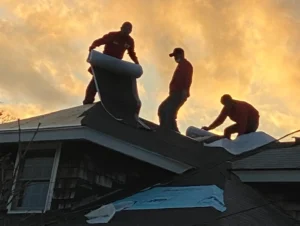
Nor’easters that dump a foot of snow overnight. Coastal winds that peel shingles off like stickers. Summer thunderstorms that drop inches of rain in an hour. And every few years, a tropical storm or hurricane that puts every roof in Nassau and Suffolk County to the test.
Your roof is your home’s first line of defense against all of it. But here’s what I’ve learned after 35 years of repairing storm damage across Long Island: the homeowners who prepare before the storm spend a fraction of what the homeowners who don’t end up paying after.
Here’s a straightforward checklist to make sure your roof is ready.

Inspect Your Shingles for Damage or Wear
Walk the perimeter of your home and look up. You’re looking for shingles that are cracked, curling, buckling, or missing. Any of these conditions means your roof has weak points where wind can get underneath and peel shingles away during a storm.
Pay special attention to the south and west-facing slopes, which take the most punishment from sun exposure. If shingles look worn, faded, or are losing their granule coating, they’ve lost much of their protective capability. A pre-storm replacement of damaged shingles is far cheaper than an emergency repair after the damage spreads.
FINANCE YOUR HOME IMPROVEMENT PROJECT TODAY
0% Financing, Quick and Easy Approval
With nearly four decades serving homeowners under our belt, we know what’s needed to make your roofing project a success.
When you work with County Roofing, you get only the best. As little as 0% interest on approval for 5 years, quick approval, easy pay, and all backed by the best guarantees in the industry.
Check All Flashing and Sealants
Flashing around chimneys, skylights, vents, and dormers is where the majority of storm-related leaks begin. Over time, caulk dries out, flashing loosens, and metal corrodes—especially in Long Island’s salt air environment near the coast.
If you’re in a coastal town like Long Beach, Babylon, or Northport, your flashing is dealing with salt corrosion on top of normal weathering. Have a professional check all flashing and sealant points before storm season arrives.

Clean and Secure Your Gutters
Clogged gutters cause water to back up under your roofline, which leads to fascia rot, soffit damage, and water intrusion. Before storm season, clean all gutters and downspouts completely. Make sure brackets are secure and that downspouts direct water at least four feet away from your foundation.
If any sections of your gutter system are sagging, pulling away from the fascia, or showing signs of rust or damage, get them repaired or replaced. During a heavy Long Island rainstorm, your gutters need to move a lot of water—fast.
Trim Trees and Remove Debris
Overhanging branches are one of the biggest threats to your roof during a storm. A heavy limb crashing down in a nor’easter can punch through shingles and decking, causing thousands of dollars in damage in seconds.
Trim all branches back at least six feet from your roofline, and remove any dead or weakened trees on your property. Also clear any debris that’s accumulated on the roof itself—leaves, pine needles, and twigs trap moisture and can accelerate damage during prolonged wet weather.
Verify Your Attic Ventilation
Proper attic ventilation does more than regulate temperature. During storms, a well-ventilated attic equalizes air pressure, which helps prevent wind uplift that can tear shingles off from below.
Check that your soffit vents and ridge vents are clear and functioning. If you see signs of condensation, mold, or excessive heat in your attic, your ventilation system isn’t doing its job—and your roof is more vulnerable to storm damage as a result.


LIFETIME MATERIAL, LIFETIME WORKMANSHIP WARRANTY
Get Industry-Leading Protection
County Roofing Systems can offer you the longest warranties available because we’re a CertainTeed SELECT ShingleMaster, a certification only 1% of contractors qualify for.
We have over 35 years of experience living up to CertainTeed’s tough standards. That means CertainTeed trusts our home improvement work enough to stand behind it with their best guarantees.
To learn more about the industry-leading LIFETIME material, LIFETIME workmanship warranty, click the button below to call us today:
Document Your Roof’s Current Condition
Before storm season, take photos of your roof from all angles and document its current condition. This is something most homeowners skip, and it costs them during the insurance claims process.
If a storm damages your roof and you file a claim, your insurance company will want to see what your roof looked like before the storm. Without documentation, adjusters may attribute existing wear to the storm—or deny coverage for damage they claim was pre-existing. Dated photos from before storm season protect you.
Get a Professional Pre-Storm Inspection
The best thing you can do before storm season is have a certified roofing contractor inspect your roof. A professional can identify vulnerabilities you’d never catch on your own: underlayment failures, nail pops, compromised ridge caps, and flashing issues that become catastrophic in high winds.
At County Roofing Systems, we’ve been preparing Long Island roofs for storm season for over 35 years. As a CertainTeed SELECT ShingleMaster, GAF Master Elite, and Owens Corning Platinum Preferred contractor, we install and inspect roofing systems that are built to handle the worst weather Long Island can throw at them.
Don’t wait for the weather forecast to tell you a storm is coming. By then, every roofer on Long Island will be booked solid. Get ahead of it now.
The difference between a roof that survives storm season and one that doesn’t usually comes down to preparation. A few hours of inspection and maintenance now can save you weeks of repairs and thousands of dollars in damage later.
Serving Long Island
Get your Long Island home back in top shape with a free roof inspection from County. We serve all of Long Island, from Melville to Huntington and beyond.
Call us today for a free estimate: (631) 400-7663
Click below to take the first step toward your new roof and discover the County Roofing difference today.