
UPDATED FOR 2025
12 Roof Maintenance Tips to Protect Your Long Island Home
Discover 12 essential roof maintenance tips from Long Island’s trusted roofing experts. Learn how regular care extends roof life and more.
Key Takeaways:
- Professional inspections twice annually catch problems early, preventing expensive emergency repairs
- Clean gutters and clear debris regularly to avoid water backup and moisture damage
- Long Island’s climate demands specialized care – extreme temperature swings, salt air, and seasonal storms accelerate roof deterioration
- Premium materials and proper installation are essential for roofs to withstand 25-30+ years of regional weather
- Early intervention saves thousands – minor repairs cost hundreds while delayed problems can require $15,000-30,000 replacements
- DIY maintenance has limits – professional expertise ensures safety and protects warranties
- County Roofing’s 25-year labor warranty provides protection far beyond the industry standard 1-2 years
Your roof is one of your home’s most valuable assets. It shields your family from harsh weather, protects your belongings, and accounts for a significant portion of your property’s value.
Yet many homeowners overlook routine roof maintenance until something goes wrong. By that point, a small preventable issue has often escalated into an expensive emergency repair.
The good news? Regular roof maintenance can extend your roof’s lifespan by years and help you avoid costly surprises. Whether you have asphalt shingles, architectural shingles, or another roofing material, these essential maintenance tips will help you protect your investment.
Why Roof Maintenance Matters
Think of roof maintenance like changing the oil in your car. Skip it, and you’re asking for trouble down the road.
A well-maintained roof can last 25-30 years or more. A neglected roof might need replacement in just 15-20 years. That’s a decade of protection you’re losing, not to mention thousands of dollars in premature replacement costs.
Long Island’s climate makes maintenance even more critical. Our region experiences extreme temperature swings, heavy winter snow, spring storms, summer heat, and fall hurricanes. Each season brings unique challenges that can accelerate roof deterioration if left unchecked.
Regular maintenance catches minor issues before they become major problems. A few missing granules today can become a leak tomorrow. A small crack in flashing can lead to water damage throughout your home’s structure.
The investment in routine maintenance is minimal compared to the cost of emergency repairs or premature replacement. Most maintenance tasks cost a few hundred dollars, while a full roof replacement can run $15,000-30,000 or more.

12 Roof Maintenance Tips to Protect Your Long Island Home
Roof maintenance takes work, but knowing what to look for and how a professional can help goes a long way.
Today, you can consider us your own professional team, here to help you keep your roof looking and performing at its best.
Here are our best roof maintenance tips:
1. Schedule Professional Inspections Twice a Year
Your roof needs professional eyes on it at least twice annually – ideally in spring and fall.
Spring inspections assess winter damage from ice, snow, and freeze-thaw cycles. Your roofer will check for lifted shingles, damaged flashing, and stress from ice dams. They’ll identify problems before summer storms compound the damage.
Fall inspections prepare your roof for winter. Your contractor will ensure everything is sealed, secure, and ready for harsh weather ahead. They’ll clear debris, check drainage, and address vulnerabilities before snow arrives.
Professional inspections catch what homeowners miss. Trained roofers know exactly where problems develop. They spot early warning signs invisible from the ground. They can safely access steep or high areas that homeowners shouldn’t attempt.
County Roofing Systems offers comprehensive roof inspections that examine every vulnerable area. Our certified inspectors check shingles, flashing, ventilation, gutters, and structural components. We provide detailed reports with photographic documentation and clear recommendations.
FINANCE YOUR HOME IMPROVEMENT PROJECT TODAY
0% Financing, Quick and Easy Approval
With nearly four decades serving homeowners under our belt, we know what’s needed to make your roofing project a success.
When you work with County Roofing, you get only the best. As little as 0% interest on approval for 5 years, quick approval, easy pay, and all backed by the best guarantees in the industry.
2. Keep Your Gutters Clean and Flowing
Clogged gutters are one of the most common causes of roof damage.
When gutters fill with leaves, twigs, and debris, water has nowhere to go. It backs up under your shingles, saturating the roof deck and causing rot. The overflow cascades down your siding, potentially damaging your foundation.
Clean your gutters at least twice a year – once in late spring after tree flowering and again in late fall after leaves drop. If you have many trees near your home, you may need more frequent cleaning.
Look for these warning signs: water spilling over gutter edges during rain, sagging gutter sections, stains on siding below gutters, or plants growing in gutters. These indicate immediate cleaning is needed.
While you’re cleaning gutters, inspect downspouts. Make sure they direct water at least 5-6 feet away from your foundation. Extend downspouts if necessary. Check that downspout connections are secure and water flows freely.
Consider professional gutter cleaning if you’re uncomfortable on ladders. County Roofing Systems can clean your gutters during seasonal maintenance visits, ensuring safe, thorough cleaning while inspecting your roof edges for damage.

3. Inspect Shingles for Damage or Wear
Your shingles are your roof’s first defense against the elements.
Walk around your property and examine your roof from the ground using binoculars. Look for missing shingles, curled edges, cracked surfaces, or bare spots where granules have worn away.
Granule loss is particularly concerning. Those tiny ceramic-coated granules protect shingles from UV damage. Excessive granule loss means your shingles are aging prematurely. Check your gutters and downspouts for granule accumulation – a little is normal, but excessive amounts indicate trouble.
Pay attention to shingle color. Dark streaks often indicate algae growth, which can accelerate deterioration. Inconsistent coloring might show water damage underneath.
After major storms, always conduct a visual inspection. High winds can lift or tear shingles. Hail can cause bruising that isn’t immediately visible but compromises shingle integrity.
Never walk on your roof to inspect it yourself. You can damage shingles and create safety hazards. Instead, schedule a professional inspection if you notice concerning issues.
County Roofing Systems uses GAF and CertainTeed premium materials with enhanced granule adhesion and weather resistance. Our Master Elite certification means we’re experts in identifying early shingle damage before it becomes serious.
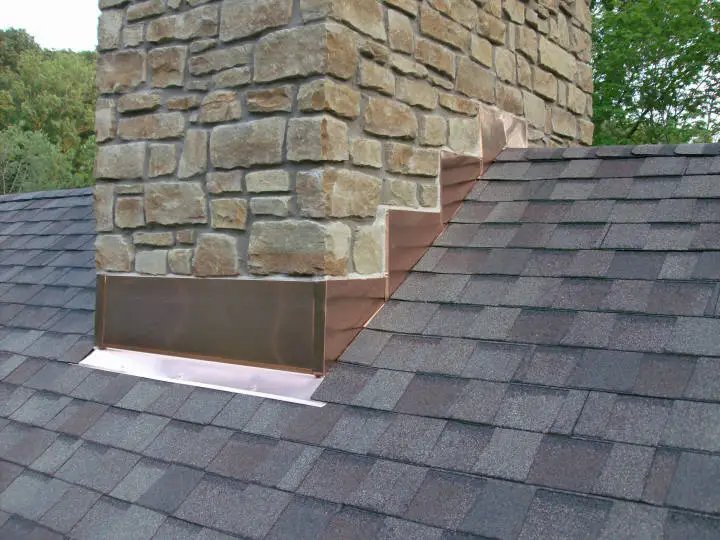
4. Check and Maintain Roof Flashing
Flashing protects vulnerable areas where your roof meets walls, chimneys, skylights, and vents.
These metal strips create watertight seals at critical junctions. When flashing fails, water infiltrates your home through these weak points. The damage can be extensive before you notice interior leaks.
Inspect flashing for rust, cracks, loose sections, or deteriorated sealant. Examine areas around chimneys, vent pipes, skylights, and where roof planes meet. Look for gaps where flashing has pulled away from surfaces.
Metal flashing can corrode over time, especially in our coastal Long Island climate where salt air accelerates deterioration. Painted flashing may show rust spots through the coating. Sealant joints can crack and separate.
Valley flashing requires particular attention. Valleys channel large water volumes, making them especially vulnerable. Damaged valley flashing often leads to significant interior leaks.
Flashing repairs require professional expertise. Proper flashing installation demands specific techniques and materials. DIY flashing repairs often fail quickly, leaving your home vulnerable.
County Roofing Systems installs corrosion-resistant flashing materials and uses advanced sealing techniques that withstand Long Island’s challenging climate. Our 25-year labor warranty covers all flashing work, giving you long-term protection.
5. Trim Overhanging Tree Branches
Trees enhance your property’s beauty and value, but overhanging branches threaten your roof.
Branches scraping across shingles dislodge protective granules. They drop leaves and debris that clog gutters and trap moisture. During storms, branches can break and crash through your roof, causing catastrophic damage.
Keep branches at least 6-10 feet from your roof surface. This clearance prevents direct contact while reducing the amount of debris falling onto your roof.
Trim trees annually before storm season. Remove dead or diseased branches that could fall. Cut back growth that’s encroaching on your roof space.
Consider the species. Some trees drop more debris than others. Oaks, maples, and pines are particularly problematic. If you’re planting new trees, position them where mature growth won’t threaten your roof.
Professional tree services have the equipment and expertise to safely trim large branches near your home. Don’t attempt to cut large limbs yourself, especially near power lines.
After trimming, inspect your roof for any damage from past contact. Look for worn areas where branches have rubbed against shingles. Schedule repairs for any damaged sections.
THE BEST GUARANTEE IN THE INDUSTRY
50-Year Material, 25-Year Labor Guarantee
We’ve met the toughest requirements in the residential roofing industry- and we use only the best materials.
That’s why we stand behind our work with the best guarantee in the industry– including warranties only 2% of roofing companies can offer.
Your house deserves the best roofing warranty on the market. Give us a call today and get a brand new roof with a 50-year material, 25-year labor warranty from the best roofing contractor in Long Island and New York.
6. Address Moss and Algae Growth Promptly
Those dark streaks on your roof aren’t just cosmetic issues.
Algae stains appear as black or dark green streaks, especially on north-facing slopes. While unsightly, algae alone usually doesn’t cause major damage. However, it indicates excessive moisture that can lead to other problems.
Moss is more serious. It grows in thick mats that trap moisture against your shingles. As moss expands, it lifts shingle edges, allowing water underneath. This causes rot in the roof deck and accelerates shingle deterioration.
In humid Long Island climates, moss and algae thrive. Shaded areas with poor drainage are especially vulnerable. The growth accelerates in spring and fall when conditions are ideal.
Never pressure wash your roof. High-pressure water dislodges granules and forces water under shingles, causing more damage than the moss itself.
Professional roof cleaning uses low-pressure application of specialized treatments. These solutions kill moss and algae while protecting shingle integrity. Proper cleaning extends your roof’s life without risking damage.
County Roofing Systems exclusively installs GAF and CertainTeed shingles with algae-resistant technology. StainGuard and StreakGuard protection uses copper granules that inhibit algae growth, keeping your roof cleaner longer.
7. Ensure Proper Attic Ventilation
Your attic’s ventilation directly affects your roof’s lifespan.
Poor ventilation causes multiple problems. In summer, trapped heat bakes your shingles from below, accelerating aging. In winter, warm air meeting cold roof decks creates condensation that rots wood and grows mold.
Proper ventilation requires balanced intake and exhaust. Intake vents (usually in soffits) bring cool air into the attic. Exhaust vents (typically ridge vents or roof vents) let hot, moist air escape. Both are essential.
Check that soffit vents aren’t blocked by insulation or debris. Make sure attic insulation doesn’t obstruct air flow pathways. Verify that exhaust vents are clear of nests or obstructions.
Signs of ventilation problems include excessive attic heat in summer, moisture or frost on attic framing in winter, musty odors, or premature shingle aging (especially curling or blistering).
Inadequate ventilation voids many shingle warranties. Manufacturers require proper ventilation because they know it’s critical to shingle longevity.
County Roofing Systems assesses ventilation during every roof inspection. We can calculate your attic’s ventilation requirements and recommend solutions that protect your investment.
8. Inspect and Maintain Roof Penetrations
Every opening in your roof is a potential leak point.
Vent pipes, skylights, chimneys, and satellite dishes all penetrate your roof’s protective barrier. Each penetration requires careful sealing and flashing to prevent water intrusion.
Check the boots around vent pipes. These rubber or plastic collars seal the gap between pipes and roofing. They deteriorate from UV exposure and temperature extremes. Cracked or brittle boots let water seep around pipes into your home.
Inspect skylights carefully. Check the glass or plastic for cracks. Examine the flashing around the frame. Look for condensation between double-pane layers, indicating seal failure.
Chimney flashing and crown deserve special attention. The crown (top concrete surface) should be intact without cracks. Flashing should be secure and properly sealed. Missing mortar between bricks allows water infiltration.
HVAC units, satellite dishes, and solar equipment need proper installation. Poorly installed penetrations create immediate vulnerabilities. Make sure any equipment added to your roof is installed by qualified professionals using proper flashing techniques.
County Roofing Systems uses premium flashing materials and advanced sealing methods around all penetrations. Our installation techniques ensure watertight protection that lasts for decades.
If you believe you’re in need of roof repairs, contact us to find out how we can help.
Fill out the form below or give us a call today at (888) 366-6619:
9. Remove Debris Regularly
Debris accumulation seems harmless but causes real damage.
Leaves, twigs, needles, and granules collect in valleys, behind chimneys, and around dormers. This debris traps moisture against your roof surface. The constant dampness promotes rot, moss growth, and accelerated shingle deterioration.
Clear debris at least quarterly, or more often if you have many trees. Pay special attention to valleys and low-slope areas where debris accumulates.
Never use metal rakes or sharp tools that could damage shingles. A leaf blower works well for loose debris. For compacted material, use a soft-bristled broom with gentle sweeping.
Some debris requires professional removal. Heavy snow accumulation, thick moss mats, or compacted leaf piles demand expertise to remove without causing damage.
After storms, inspect for new debris. High winds deposit surprising amounts of leaves and branches, even from neighboring properties.
Consistent debris removal prevents bigger problems. It’s a simple maintenance task that significantly extends roof life by eliminating moisture traps.
10. Monitor for Interior Warning Signs
Roof problems often show up inside before they’re visible outside.
Check your ceilings and attic regularly for water stains, discoloration, or sagging. Brown or yellow stains indicate active or past leaks. Musty odors signal hidden moisture problems.
Inspect your attic after heavy rains. Look for wet insulation, water stains on rafters, or light penetrating through the roof deck. These indicate breaches in your roof’s integrity.
Watch for paint peeling or bubbling on ceilings. This often results from humidity escaping through roof leaks. Mold or mildew growth in upper-floor closets or corners suggests moisture intrusion from above.
Higher energy bills can indicate roof problems. If heating or cooling costs spike unexpectedly, your roof may have developed leaks allowing conditioned air to escape.
Don’t ignore minor signs. A small water stain won’t improve on its own. The underlying problem will worsen, spreading damage through your home’s structure.
When you notice interior warning signs, schedule a professional inspection immediately. The sooner you address the source, the less damage occurs and the lower your repair costs.
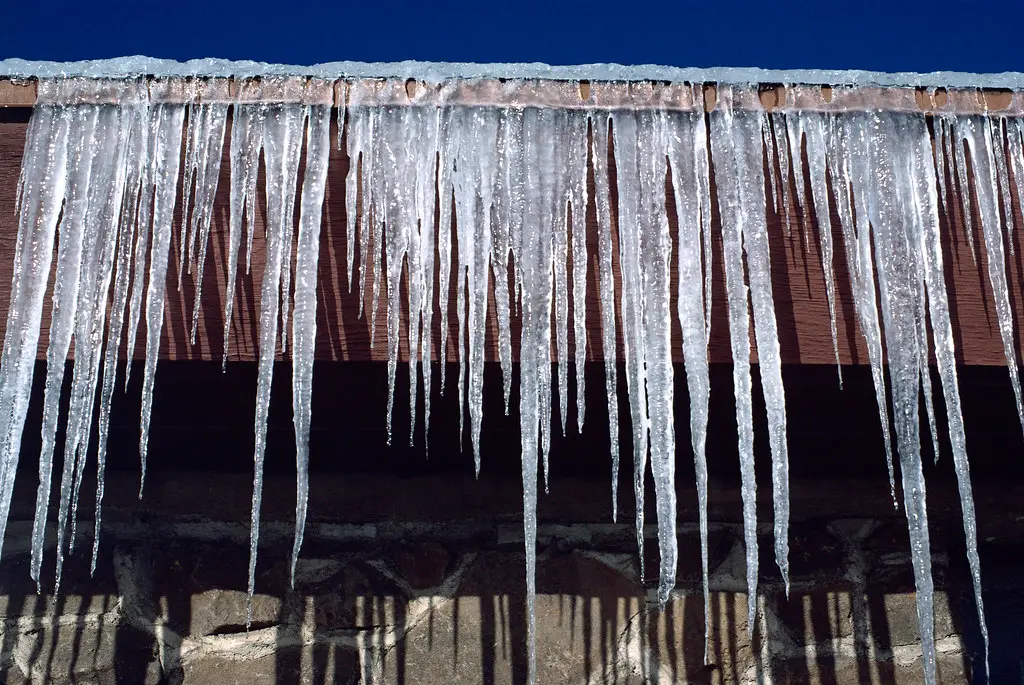
11. Protect Against Ice Dams
Ice dams are a serious winter concern for Long Island homeowners.
These ice formations develop when heat escaping through your roof melts snow, which then refreezes at the cold eaves. The ice dam blocks proper drainage, forcing water under shingles and into your home.
Prevention starts with proper insulation and ventilation. Keep your attic cold in winter by preventing heat loss from living spaces. Ensure adequate ventilation to maintain consistent attic temperature.
Seal any air leaks where warm air enters the attic – around light fixtures, chimneys, plumbing vents, and attic hatches. Add insulation if levels are insufficient (R-38 to R-60 is recommended for Long Island attics).
Clean gutters before winter to ensure proper drainage when snow melts. Consider installing heating cables in gutters and along eaves in problem areas, though these address symptoms rather than causes.
Never chip at ice dams with tools. You’ll damage shingles and potentially injure yourself. If ice dams form despite prevention efforts, contact a professional for safe removal.
County Roofing Systems installs ice and water shield membrane in vulnerable areas. This additional underlayment protection prevents damage even if ice dams form, providing critical backup protection.
12. Document Your Roof’s Condition
Maintaining records benefits you in multiple ways.
Photograph your roof from all sides at least annually. Document its condition after inspections and major weather events. These records help you track changes over time and identify developing problems.
Save all maintenance and repair receipts. This documentation proves proper care if you need warranty service. It also adds value when selling your home, showing potential buyers that your roof has been well-maintained.
Keep a roof maintenance log noting inspection dates, cleaning schedules, repairs performed, and any concerns identified. Include contractor contact information and warranty details.
Document storm damage immediately with photos. This evidence is invaluable for insurance claims. Photograph damage from multiple angles before any temporary repairs.
Create a digital folder with all roof-related documents: purchase receipts, warranty information, inspection reports, repair invoices, and photos. Store copies in cloud storage for backup.
When you work with County Roofing Systems, we provide detailed inspection reports with photographs and recommendations. We maintain service records for your property, giving you comprehensive documentation of your roof’s history.
When to Call the Professionals
Some maintenance tasks are DIY-friendly, but most roof work requires professional expertise.
Call a professional roofing contractor for:
Roof inspections (you shouldn’t walk on your roof)
Any repairs involving shingles, flashing, or penetrations
Moss or algae removal
Attic ventilation assessment and improvements
Ice dam prevention or removal
Storm damage assessment
Any work that requires walking on steep or high areas
Attempting DIY roof repairs often causes more damage than the original problem. Improper techniques void warranties and create safety hazards. The cost savings rarely justify the risks.
Professional roofers have specialized training, equipment, and insurance. They work safely at heights, use proper materials and techniques, and stand behind their work with warranties.
County Roofing Systems brings over 35 years of experience serving Long Island homeowners. Our team consists entirely of our own employees – never subcontractors – ensuring consistent quality on every project.
The County Roofing Systems Advantage
When it comes to protecting your roof investment, the contractor you choose matters.
County Roofing Systems holds both GAF Master Elite and CertainTeed SELECT ShingleMaster certifications. These prestigious credentials are awarded to only the top 2% of roofing contractors nationwide. They represent our proven commitment to quality, business stability, and customer satisfaction.
Our 25-year labor warranty far exceeds the industry standard. While most contractors offer 1-2 year workmanship warranties, we stand behind our installations for a quarter-century. This extended coverage demonstrates our confidence in our work and our commitment to your long-term protection.
We exclusively use premium materials from GAF, CertainTeed, and Owens Corning. These manufacturer partnerships give our clients access to extended product warranties up to 50 years – coverage only available through certified contractors like us.
Every County Roofing project uses our own employees, never subcontractors. This ensures consistent training, quality control, and accountability. You’re never dealing with unknown third parties on your property.
Our team brings deep knowledge of Long Island’s specific challenges: salt air corrosion, hurricane winds, winter ice dams, and temperature extremes. We engineer every installation to withstand our region’s demanding conditions.
Protect Your Investment with Professional Care
Your roof represents a major investment in your home’s value and your family’s protection.
Regular maintenance extends its life, prevents costly repairs, and maintains your home’s appearance and value. However, most maintenance tasks require professional expertise to perform safely and effectively.
Don’t wait for visible damage to address roof concerns. By the time problems are obvious, the damage is often extensive. Proactive maintenance catches issues early when repairs are simple and affordable.
County Roofing Systems has served Long Island homeowners for over three decades. We’ve built our reputation on quality workmanship, honest advice, and standing behind our work long after the job is complete.
Schedule your professional roof inspection today. We’ll provide a comprehensive assessment of your roof’s condition, identify any concerns, and recommend solutions tailored to your home and budget.
Contact County Roofing Systems at (888) 366-6619 for your free roof inspection. Let our certified professionals help you protect your home with the expert care it deserves.
- First Approvals
- 0% financing
- No income check
- Up to 15 years
- Monthly payments as low as $149
Call today or contact us below for a FREE roofing estimate:
Frequently Asked Questions
How often should I have my roof professionally inspected?
Schedule professional inspections at least twice a year – once in spring after winter weather and once in fall before winter arrives. Additionally, have your roof inspected after major storms, if you notice any damage or leaks, and when buying or selling a home. Roofs over 15 years old benefit from annual inspections.
Can I perform roof maintenance myself?
Some basic maintenance is DIY-friendly: cleaning gutters, removing ground-level debris, and visual inspections from the ground. However, never walk on your roof yourself. Professional maintenance is safer, more thorough, and won’t void warranties. Most roof work requires specialized training and equipment.
What's the most important maintenance task for Long Island roofs?
Ensuring proper drainage is critical. Keep gutters clean and flowing, remove debris from valleys and low spots, and maintain proper attic ventilation. Long Island’s weather makes moisture management essential – standing water causes most premature roof failures in our region.
How long does a properly maintained roof last?
With regular professional maintenance, quality asphalt shingle roofs typically last 25-30 years or longer. Premium architectural shingles can exceed 30 years. Neglected roofs often fail in 15-20 years. The investment in maintenance adds 5-15 years of life – far more than its cost.
What are signs I need immediate professional attention?
Contact a roofer immediately if you notice: interior water stains or leaks, missing or damaged shingles, sagging roof sections, daylight visible through the attic, excessive granule loss, damaged flashing, or active moss growth. These issues worsen rapidly and cause extensive damage if unaddressed.
Does regular maintenance really save money?
Absolutely. Routine maintenance typically costs $300-800 annually. Early repairs average $500-2,000. Emergency repairs or premature replacement costs $15,000-30,000+. Maintenance catches problems when fixes are simple and affordable, preventing catastrophic failures that demand major investment.