UPDATED FOR 2025
Roof Repair Cost: Complete 2025 Breakdown for Long Island and Westchester Homeowners
Learn what a roof repair costs in 2025, including real-world examples and a complete cost breakdown for every type of roof repair service.
Key Takeaways:
- Roof repair costs vary widely based on damage severity and scope
- Average repair costs: The national average is $1,150, with most repairs falling between $400-1,900. Homeowners often ask, “how much does it cost” to repair a roof—costs depend on the type of damage and roofing materials.
- Major repairs: $3,000-8,000+ (extensive water damage, structural issues, sagging roofs)
- Emergency repairs: Add $200-300 to standard pricing for after-hours or urgent response
- Long Island/Westchester pricing: Typically 15-25% above national average due to higher labor rates and material costs
- Repair vs. replacement threshold: When repair costs exceed 30-40% of full replacement cost, or when you face higher repair costs due to extensive damage or complex roof conditions, replacement often makes more financial sense.
- Understanding cost factors helps you evaluate quotes accurately and make informed decisions about repairing versus replacing your roof.
What Does a Roof Repair Really Cost In 2025?
Roof repairs can cost anywhere from $200 to over $10,000 depending on damages and what needs to be repaired or replaced.
We know that price range isn’t exactly helpful, but it’s the truth.
That’s also why we’re going to break down the full and varied cost of roof repairs below, including everything from the most minor repairs all the way up to a full roof replacement, including every scenario imaginable.
Your roof protects everything inside your home. When damage strikes—whether from storms, age, or wear—understanding repair costs helps you budget appropriately and avoid surprises.
But roof repair pricing confuses many homeowners. Quotes vary dramatically between contractors. Some repairs cost just hundreds of dollars while others reach thousands.
This comprehensive guide breaks down exactly what roof repairs cost in 2025, what factors drive pricing, and when repairs make sense versus full replacement.
Key roof repair cost factors—such as materials, labor, roof size, and the extent of damage—play a major role in determining your total expense. Understanding these elements helps you make informed decisions and budget more effectively.
County Roofing Systems has repaired and replaced roofs across Long Island and Westchester County for over 35 years. We’ve handled every type of roof damage imaginable—from minor leaks to storm devastation requiring emergency response.
This guide reflects real-world pricing from thousands of completed projects, not theoretical estimates.
Working with a qualified roofing contractor is essential to ensure you receive accurate estimates and high-quality repairs backed by strong warranties.
Read on to find out the real cost of roof repairs in 2025.
Average Roof Repair Costs by Damage Type
Different roof problems require different solutions with varying costs.
The cost to repair your roof depends on the type and extent of damage, and understanding the roof leak repair cost is essential for effective budgeting.
The process to repair a roof involves:
Assessing the damage
Determining the necessary materials
And factoring in labor, all of which influence the final cost
Here’s what you’ll typically pay for common repairs.
Missing or Damaged Shingles: $100-1,000
Minor damage (5-10 shingles): $150-400
Moderate damage (10-20 shingles): $400-700
Extensive damage (20+ shingles or full section): $700-1,000+
Shingle replacement represents one of the most common roof repairs.
Asphalt roof shingles are the most common roofing material in the U.S. and are considered the most affordable roofing material for repairs. Wind storms, fallen branches, and age-related deterioration cause shingles to crack, curl, or blow off entirely.
Small repairs addressing just a few shingles cost relatively little. The contractor matches existing shingles, removes damaged ones, and installs replacements following manufacturer specifications.
Composite shingles, metal shingles, and slate tiles are alternative roofing materials, but they generally cost more and can be more complex to repair compared to asphalt roof shingles.
Costs increase with damage extent and roof accessibility. Steep pitches, multiple stories, and hard-to-reach locations require additional safety equipment and time driving up labor costs.
When to repair: Isolated damage affecting less than 20% of roof surface
When to consider replacement: Widespread shingle problems across multiple roof sections suggesting overall deterioration
Roof Leak Repairs: $150-6,000+
Small leak (caught early, minor damage): $150-1,000
Moderate leak (some water damage, underlayment involved): $1,000-3,000
Severe leak (extensive water damage, structural repairs needed): $3,000-6,000+
A leaky roof can lead to significant damage if not addressed quickly.
Leak repair costs vary enormously depending on severity and how long water penetrated before discovery. Repairing roof leaks promptly helps keep the roof leak repair cost manageable and prevents minor issues from becoming major expenses.
Catching leaks early—when only flashing needs resealing or a few shingles require replacement—keeps costs manageable. The typical cost to repair a small roof leak is on the lower end of the scale, and early detection is crucial to avoid more extensive and costly repairs.
But water damage escalates quickly. Leaks reaching underlayment, decking, or structural components require comprehensive repairs addressing both the leak source and resulting damage.
Common leak locations and costs:
Vent pipe boots: $75-150
Skylight seals: $300-800
Chimney flashing: $400-1,500
Valley leaks: $500-2,000
Ridge cap failures: $400-1,000
Flashing Repairs: $200-1,500
Minor flashing reseal: $200-500
Partial flashing replacement: $500-1,000
Complete flashing replacement: $1,000-1,500+
Roof flashing is a critical component for preventing water intrusion and is a common source of repair needs. Flashing—metal strips installed around chimneys, vents, skylights, and valleys—prevents water intrusion at vulnerable transition points.
Flashing deteriorates from weather exposure, thermal expansion/contraction, and improper installation. Rust, gaps, and loose sections allow water penetration.
Simple resealing fixes minor issues. But deteriorated flashing requires replacement including removing and reinstalling surrounding shingles.
Flashing repair costs by location:
Chimney flashing: $400-1,500
Skylight flashing: $300-1,000
Vent pipe flashing: $200-500
Valley flashing: $500-2,000
Drip edge replacement: $1.50-9.00 per linear foot
Roof Decking Repairs: $200-3,000+
Single sheet replacement: $200-400
Multiple sheet replacement: $400-1,000
Extensive decking damage: $1,000-3,000+
Roof decking—typically plywood or OSB sheets—provides the foundation for your roofing materials.
Water damage from leaks, ice dams, or inadequate ventilation causes decking to rot. Damaged decking compromises the entire roofing system’s structural integrity.
Contractors cannot assess decking condition until removing shingles and underlayment during repairs or replacement. Decking repairs add unexpected costs to projects.
Signs requiring decking repair:
Sagging roof sections
Water stains on interior ceilings
Soft spots when walking on roof
Visible holes or deterioration from attic
Valley Repairs: $300-1,500
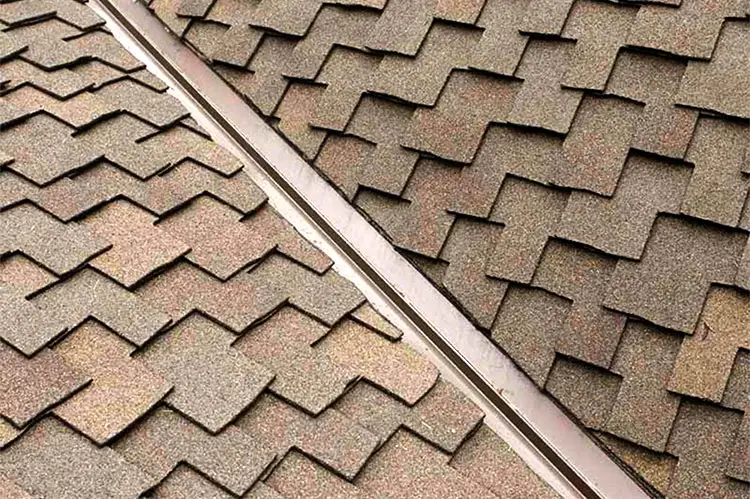
Roof valleys—where two slopes meet—concentrate water flow making them vulnerable to leaks and deterioration.
Roof valley repair is essential for addressing leaks and water damage in these low points of the roof, ensuring proper water runoff and protecting overall roof integrity.
Valley repairs typically involve removing shingles on both sides, replacing valley flashing and underlayment, then reinstalling shingles properly.
Extensive valley damage affecting underlayment or decking can push costs to $3,000-6,000+ requiring comprehensive restoration.
Soffit and Fascia Repairs: $500-2,600+
Minor repairs: $500-800
Moderate replacement: $800-1,500
Complete replacement: $1,500-2,600+
Soffit (underside of roof overhang) and fascia (trim along roof edge) protect roof edges and support gutters.
Water damage, rot, and pest infiltration damage these components over time. Neglecting repairs allows problems spreading to roof structure.
Material choice affects costs—wood costs less upfront but requires maintenance, while aluminum or composite materials last longer with minimal upkeep.
Gutter Repairs: $200-600
Minor repairs (sealing leaks, reattaching sections): $200-300
Moderate repairs (replacing sections): $300-500
Extensive repairs: $500-600+
Gutters don’t technically constitute roofing but directly affect roof performance by managing water drainage.
Damaged gutters allow water pooling near roof edges causing rot, leaks, and foundation problems.
Complete gutter replacement: $2,200-5,000 for 200 linear feet when repairs aren’t sufficient
Skylight Repairs: $300-2,500
Resealing: $300-500
Flashing replacement: $800-1,500
Complete skylight replacement: $1,500-2,500+
Skylights leak when seals fail, flashing deteriorates, or glass/frames crack.
Simple resealing fixes minor leaks. But deteriorated flashing or damaged skylights require more extensive work.
Skylight leaks cause water staining on ceilings and walls. Addressing problems early prevents expensive interior damage repairs.
Emergency Roof Repairs: $200-300 Additional
Emergency repairs—needed after storms or when active leaks threaten interior damage—incur premium pricing.
Contractors responding after hours, on weekends, or during severe weather charge additional fees covering:
Immediate response prioritization
After-hours labor premiums
Emergency material sourcing
Temporary protective measures (tarping)
Emergency repairs focus on stopping immediate damage. Permanent repairs follow once conditions allow proper work.
FINANCE YOUR HOME IMPROVEMENT PROJECT TODAY
0% Financing, Quick and Easy Approval
With nearly four decades serving homeowners under our belt, we know what’s needed to make your roofing project a success.
When you work with County Roofing, you get only the best. As little as 0% interest on approval for 5 years, quick approval, easy pay, and all backed by the best guarantees in the industry.
Factors Affecting Roof Repair Costs
Beyond specific damage types, several factors influence what you’ll pay for roof repairs.
Key roof repair cost factors include:
Labor
Materials
Roof size
And the severity of the damage
Understanding these elements can help you budget more effectively and make informed decisions about your roof repair project.
Roofing Material Type
Material type dramatically affects repair costs. Common materials like asphalt shingles cost less because contractors stock them readily and installation requires standard skills (costs below are nationwide averages):
Asphalt shingles: $3-7 per square foot (most affordable, widely available)
Architectural shingles: $4-9 per square foot (enhanced durability, better aesthetics)
Metal roofing: $5-14 per square foot (specialized skills required, premium materials)
Metal shingles: $8-16 per square foot (higher cost, specialized installation methods)
Tile roofing: $7-20 per square foot (expensive materials, specialized installation)
Slate roofs: $10-25+ per square foot (premium materials, higher repair and replacement costs, expert craftsmen required)
Flat roofs: $4-10 per square foot (low-sloped, prone to ponding water, unique repair considerations)
Wood shake: $6-12 per square foot (specialty materials, limited contractor availability)
Premium materials—metal, tile, slate, and metal shingles—require specialized expertise and materials, driving costs significantly higher.
Matching existing materials matters for aesthetics and warranty coverage. Finding exact matches for discontinued products adds costs and complexity.
Roof Size and Complexity
Simple gable roof: Standard pricing
Hip roof: 10-15% premium
Multi-level roof: 15-25% premium
Complex architecture (multiple dormers, valleys, slopes): 25-40% premium
Larger roofs naturally cost more to repair since damage affects more square footage requiring more materials and labor.
But complexity affects costs even more than size. Simple roofs with minimal slopes and valleys allow efficient work.
Complex roofs with multiple levels, steep pitches, dormers, and architectural features require more time and specialized skills.
A steep roof or higher roof slope requires additional safety measures, specialized equipment, and increases labor costs due to the added difficulty and safety considerations.
Roof Pitch and Height
Steep pitches and multiple stories increase repair difficulty and safety requirements.
Contractors need additional safety equipment, harnesses, and scaffolding. Work takes longer due to challenging conditions and safety protocols.
These factors significantly impact labor costs—typically 60% of total repair pricing:
Low slope (3:12 to 6:12): Standard pricing
Medium slope (6:12 to 9:12): 10-20% premium
Steep slope (9:12 to 12:12+): 20-40% premium
Single story: Standard pricing
Two story: 10-20% premium
Three story: 20-40% premium
Labor Costs by Region
Long Island labor rates: $60-90 per hour
Westchester County labor rates: $65-95 per hour
National average: $45-75 per hour
Long Island and Westchester County labor costs run 15-25% above national averages reflecting higher cost of living, competitive contractor markets, and demand for quality work.
Labor represents the largest component of repair costs—typically 60-70% of total pricing.
Experienced contractors charge premium rates but deliver quality work following proper techniques and manufacturer specifications. Cutting costs with inexperienced contractors often leads to inadequate repairs requiring costly rework.
Accessibility and Logistics
Easy access (ground level, open areas): Standard pricing
Limited access (landscaping, obstacles): 5-15% premium
Difficult access (tight spaces, urban settings): 15-30% premium
Material hoisting required: Additional $200-500
Roof accessibility affects how efficiently contractors work.
Easy access with open areas for staging materials and minimal obstacles allows standard pricing. Challenging access—dense landscaping, tight urban locations, limited parking—requires additional time and equipment increasing costs.
Seasonal Timing
Peak season (spring/summer): Standard pricing
Shoulder season (fall): Potential 10-15% savings
Winter: 20-40% premium (weather complications) or 10-15% savings (slow season)
Timing repairs strategically saves money. Fall represents the sweet spot—contractors appreciate work between peak season and winter, weather remains workable, and you may negotiate favorable pricing.
Winter repairs cost more due to weather challenges, safety concerns, and material handling difficulties. But some contractors offer discounts during slow periods if weather permits work.
Summer peak season sees highest demand driving prices up as contractors schedule weeks or months ahead.
Extent of Water Damage
Surface damage only: Standard repair pricing
Underlayment involvement: 25-50% cost increase
Decking damage: 50-100% cost increase
Structural damage (rafters, trusses): 100-200%+ cost increase
Water damage severity dramatically impacts repair costs.
Surface leaks caught early require minimal work—resealing flashing or replacing a few shingles.
But water penetrating deeper causes exponentially more damage requiring comprehensive repairs. Damaged underlayment, rotted decking, and compromised structural components need complete replacement.
This illustrates why catching and addressing leaks immediately saves thousands of dollars.
Permit and Inspection Requirements
Minor repairs: Typically no permit required
Major repairs/structural work: $70-250 permit fees
New York building codes: Compliance verification may require inspections
Most minor roof repairs don’t require permits. But major work—extensive damage, structural repairs, or work exceeding specified square footage—requires permits and inspections in Long Island and Westchester County.
Permit costs add to project expenses. More significantly, permit requirements mean work must meet current building codes potentially requiring additional upgrades.
Professional contractors handle permit processes smoothly, pulling permits, scheduling inspections, and ensuring code compliance.
Roof Repair vs. Replacement: Making the Right Decision
Sometimes repairing your roof makes perfect sense. Other times, replacement delivers better long-term value despite higher upfront costs.
When evaluating your options, it’s important to compare roof replacement costs with the cost of roof repairs, as understanding both helps you make an informed decision.
In many cases, if the cost of roof repairs approaches or exceeds the price of a new roof, a full roof replacement becomes the more practical and economical choice.
When Roof Repair Makes Sense
Repairs make sense when your roof has substantial life remaining and damage affects only limited areas:
Isolated damage affecting less than 20-30% of roof surface
Relatively new roof (less than 10-12 years old for asphalt shingles)
Quality materials in good overall condition with decades of life remaining
Limited budget requiring immediate fix before replacement becomes feasible
Storm damage covered by insurance making repairs cost-effective
A 7-year-old roof with storm damage to one section should be repaired, not replaced. You’ll get another 10-15 years of service after repairs.
When Roof Replacement Makes More Sense
Replacement makes financial sense when repair costs approach 30-40% of full replacement pricing or when your roof has reached its expected lifespan.
Widespread damage affecting 30%+ of roof surface
Aging roof approaching or exceeding expected lifespan
Multiple previous repairs indicating systemic problems
Repair costs exceeding 30-40% of replacement costs
Persistent leak issues suggesting hidden structural problems
Example: A 20-year-old asphalt shingle roof (approaching 25-year lifespan) with $6,000 in repair estimates should be replaced rather than repaired. You’d spend thousands on repairs with replacement needed within a few years anyway.
Cost Comparison: Repair vs. Replacement
Typical roof repair: $1,150 average cost
Major roof repair: $3,000-8,000 average cost
Complete roof replacement (Long Island/Westchester): $12,000-35,000+ depending on size, materials, complexity
The math seems obvious—repairs cost less. But effective decision-making requires considering:
Remaining roof lifespan after repairs
Likelihood of additional repairs in coming years, over the life of the roof
Energy efficiency improvements available with replacement
Enhanced warranties from complete replacement
Home value impact from new roof versus patched old roof
When factoring these pieces in, a full roof replacement often comes out as the more cost-effective option.
Which is the better option for you comes mostly down to the age and condition of your roof.
If it’s younger and in decent shape? Repair makes sense.
If it’s older and has multiple issues cropping up? A roof replacement is likely more cost-effective.
The 30% Rule
Industry professionals use the “30% rule” for repair-versus-replacement decisions.
If repair costs exceed 30% of replacement costs, replacement typically delivers better long-term value.
Example calculation:
Estimated replacement cost: $20,000
30% threshold: $6,000
Proposed repair cost: $7,500
At $7,500, this repair exceeds the threshold. Replacement makes more financial sense providing a brand new roof with full warranty coverage instead of repairs on an aging roof that may need replacement soon anyway.
How to Get Accurate Roof Repair Estimates
Understanding pricing helps you evaluate contractor quotes and make informed decisions.
It’s essential to hire a professional roofing contractor to provide accurate estimates and perform roof repairs, ensuring quality workmanship and long-term protection for your home.
What Professional Estimates Should Include
Detailed damage assessment identifying all problems and their causes
Scope of work specifying exactly what will be repaired and how
Materials specifications listing brands, types, and quality grades
Labor breakdown showing time estimates and rates
Permit and disposal costs if applicable to your project
Warranty information covering both materials and workmanship
Timeline indicating start date and completion schedule
Payment terms specifying deposit requirements and payment schedule
Comprehensive estimates provide complete project understanding. Vague estimates lacking detail make comparison difficult and hide potential problems.
This is just one of many reasons why it’s important to work with a certified professional like County Roofing.
Red Flags in Contractor Estimates
When receiving an estimate, keep a look out for these:
Significantly lower pricing than other qualified contractors (often indicates shortcuts or hidden costs)
Pressure for immediate decisions or cash payments
Lack of licensing, insurance, or manufacturer certifications
Unwillingness to provide references or show previous work
Vague scope of work without specific details
No written contract or warranty documentation
Request for full payment upfront (standard is deposit with balance on completion)
These warning signs suggest contractors who may deliver substandard work, disappear mid-project, or cause more problems than they solve.
Getting Multiple Quotes
Always obtain 3-5 quotes from licensed, insured contractors before deciding.
Multiple quotes help you:
Understand fair market pricing for your specific project
Compare different repair approaches and recommendations
Evaluate contractor professionalism and communication
Identify unusually high or suspiciously low pricing
But don’t select based solely on lowest price. Quality, reputation, warranties, and contractor expertise matter more than saving a few hundred dollars on a repair that may fail prematurely.
THE BEST GUARANTEE IN THE INDUSTRY
50-Year Material, 25-Year Labor Guarantee
We’ve met the toughest requirements in the residential roofing industry- and we use only the best materials.
That’s why we stand behind our work with the best guarantee in the industry– including warranties only 2% of roofing companies can offer.
Your house deserves the best roofing warranty on the market. Give us a call today and get a brand new roof with a 50-year material, 25-year labor warranty from the best roofing contractor in Long Island and New York.
Long Island and Westchester Specific Considerations
Long Island and Westchester County present unique roofing challenges affecting repair needs and costs.
In these regions, homeowners insurance may help cover roof repairs caused by storms or other covered events, but it is important to review your policy details to understand what is included.
Coastal Environment Impact
Salt air corrosion accelerates deterioration of metal components—flashing, fasteners, vents
Hurricane and nor’easter exposure causes wind damage and storm-related repairs
Humidity and moisture from Atlantic Ocean proximity promotes organic growth
These factors mean Long Island roofs, especially coastal properties, require more frequent maintenance and repairs than inland locations.
Choosing corrosion-resistant materials and proper installation techniques extends roof lifespan despite challenging coastal conditions.
Harsh Weather Patterns
Heavy snow loads stress roofs and create ice dam conditions
Freeze-thaw cycles crack and deteriorate roofing materials
Wind-driven rain tests flashing and seal integrity
Summer heat and humidity accelerate shingle aging
Long Island and Westchester experience four-season weather extremes demanding durable roofing materials and expert installation.
Cutting corners on materials or installation leads to premature failures requiring expensive repairs in our demanding climate.
Local Building Codes
New York State and local municipalities enforce specific building codes affecting roof repairs.
Wind resistance requirements for coastal zones
Fire rating standards for all roofing materials
Energy efficiency codes for certain repairs and replacements
Permit requirements for work exceeding specified thresholds
Professional contractors understand local codes ensuring repairs meet all requirements without delays or compliance issues.
Insurance Considerations
Many Long Island and Westchester homeowners carry higher coverage due to property values and weather exposure.
Homeowners insurance policies may cover roof repairs for certain types of damage, such as storm events, fire, or falling objects. Understanding what your policy will cover is essential to ensure you receive the benefits you are entitled to.
Storm damage claims represent common roof repair situations
Policy requirements may specify repair standards or material quality
Contractor requirements often mandate licensing and insurance verification
Documentation needs for claim processing and approval
Working with experienced contractors familiar with insurance processes streamlines claims and ensures proper repair coverage.
DIY vs. Professional Roof Repairs
Some homeowners consider DIY repairs to save money.
While diy roof repairs like patching small leaks or replacing a few shingles may seem manageable, they come with risks and limitations—improper materials or techniques can lead to further damage and safety hazards.
Understanding when DIY makes sense versus requiring professional expertise protects both your safety and your roof.
For major repairs or a full roof installation, it’s essential to hire experienced professionals who have the specialized skills and equipment needed to ensure the job is done correctly and safely.
Learn more in our complete guide to DIY roof repairs and find out if it’s worth it for you.
When DIY Might Work
Replacing 1-3 missing shingles on a low-slope, easily accessible roof
Applying roof sealant around small penetrations or minor flashing gaps
Basic gutter cleaning and minor gutter repairs
Installing roof coating on flat sections (though professional application recommended)
These represent the absolute limit of reasonable diy roof repairs for homeowners with basic skills and appropriate safety equipment.
DIY roof repairs should only be attempted for very minor issues, and always with proper materials and safety precautions.
Why Most Repairs Require Professionals
Safety concerns: Roofs present serious fall hazards—roofing injuries send thousands to emergency rooms annually. For safety and quality, it is essential to hire a professional roofing contractor to perform roof repairs, as they have the training and equipment to handle the job properly.
Proper diagnosis: Visible symptoms often mask underlying problems requiring expert assessment
Manufacturer warranties: DIY work typically voids warranties on materials
Building codes: Repairs must meet code requirements verified through permits/inspections
Specialized tools: Professional repairs require equipment most homeowners don’t own
Hidden damage: Water damage extends beyond visible problems requiring comprehensive assessment
Installation techniques: Proper repairs follow specific manufacturer procedures ensuring long-term performance
Most importantly, inadequate DIY repairs often cause more damage requiring expensive professional correction. Saving $500 on labor but creating $3,000 in additional problems represents poor economics.
The True Cost of DIY
Materials: $100-500 for typical small repair
Tool rental/purchase: $50-200
Time investment: 4-8+ hours including trips to suppliers
Risk factors: Potential injury, voided warranties, code violations, inadequate repairs
Compare this to professional repairs:
Total cost: $400-800 for similar work
Time investment: Zero—contractor handles everything
Risk factors: Eliminated—licensed, insured professionals with safety training
Results: Guaranteed through workmanship warranties
The modest savings rarely justify the risks and potential problems.
Do things right the first time with County Roofing’s team of certified master roofers. Get the roof you deserve- one that will last you decades to come.
Fill out the form below or give us a call today at (631) 400-7663:
Choosing the Right Roofing Company Makes All the Difference
You’ve seen the numbers. You understand what roof repairs cost and what factors drive pricing.
But here’s what matters more than cost breakdowns and industry averages: the roofing company you choose determines whether repairs actually protect your home or just delay inevitable problems.
Selecting a reputable roofing contractor is key for ensuring quality workmanship, strong warranties, and long-term protection for your home.
Many roofing companies sell you on lower-quality materials claiming they’re “just as good” as premium products. They cut corners on installation techniques. They skip critical steps saving them time and money while leaving your home vulnerable.
You get a roof that won’t fully protect your home. Repairs fail prematurely. Water damage continues. You spend thousands more fixing problems that proper repairs would have prevented.
County Roofing Systems takes a different approach.
We Use Only the Best Materials in the Industry
We don’t stock discount shingles or second-tier products. Every material we install comes from industry leaders—GAF, CertainTeed, and Owens Corning for shingles; premium manufacturers for metal roofing, flashing, and underlayment.
Why? Because your roof protects everything inside your home. Quality materials deliver the durability and weather resistance our Long Island and Westchester climate demands.
We’ve earned elite manufacturer certifications proving our expertise:
GAF Master Elite Contractor—achieved by only 3% of roofing contractors nationwide
CertainTeed SELECT ShingleMaster—demonstrating expertise with premium products
Owens Corning Platinum Preferred Contractor—earned through proven quality and commitment
These certifications unlock enhanced warranty programs you can’t get from uncertified contractors. Our repairs include comprehensive warranty coverage protecting both materials and workmanship.
Every Roof is Installed by Our Certified Team of Master Craftsmen
We don’t use subcontractors. We don’t hire day laborers. Every crew member works directly for County Roofing Systems.
Our master craftsmen have completed hundreds—many have completed thousands—of roof repairs across Long Island and Westchester County.
They know how coastal salt air affects materials. They understand how our freeze-thaw cycles stress roofing systems. They’ve repaired damage from nor’easters, hurricanes, and brutal winter storms.
Experience matters in roofing.
Inexperienced contractors miss underlying problems. They take shortcuts on installation. They don’t understand manufacturer specifications or why certain techniques matter.
Our craftsmen install every repair following exact manufacturer requirements ensuring optimal performance and maintaining warranty coverage.
We’ve Served Long Island and Westchester for Over 35 Years
County Roofing Systems has protected homes since 1989. Over 35 years of experience taught us exactly what works in our challenging climate and what fails.
We’ve built our reputation on quality workmanship and honest recommendations. We tell homeowners when repairs make sense and when replacement delivers better value. We explain options clearly without pressure or inflated damage claims.
Thousands of satisfied homeowners across Long Island and Westchester trust us because we deliver what we promise.
Industry-Leading Warranties
Here’s what separates County Roofing Systems from virtually every competitor:
25-year labor warranties combined with 50-year material warranties
Most contractors offer material warranties only—meaning if your shingles fail, the manufacturer replaces them but you pay installation costs. If workmanship causes problems, you’re on your own after a year or two.
Our 25-year labor warranty means we stand behind our installation work for decades. Problems from materials? Covered. Problems from installation? Covered. This comprehensive protection provides peace of mind you simply cannot get elsewhere.
Only 2% of roofing companies nationwide can offer these warranty combinations because they require elite manufacturer certifications we’ve earned through proven quality.
Honest Assessments, Fair Pricing, Quality Results
We provide thorough roof inspections identifying all problems and their root causes. You receive detailed written reports with photos showing exactly what we found.
Our estimates break down all costs clearly—materials, labor, additional work required—so you understand exactly what you’re paying for.
We don’t inflate damage to increase project size. We don’t recommend unnecessary work. If repairs meet your needs, we advise repairs. If replacement serves you better, we explain why clearly.
Our goal is protecting your home properly, not maximizing project costs.
Schedule Your Free Roof Inspection Today
Don’t wait for minor problems to become expensive disasters. County Roofing Systems provides comprehensive roof inspections at no cost, no obligation.
We’ll evaluate your roof thoroughly, identify any damage or concerns, and provide honest recommendations with detailed pricing.
Call County Roofing Systems today at (631) 400-7663 to schedule your free inspection.
Let our certified master craftsmen assess your roof and show you exactly what repairs—if any—your home needs. We serve all of Long Island and Westchester County with the same commitment to quality and customer satisfaction that’s defined our company for over 35 years.
Or complete the form below and we’ll contact you promptly to schedule your inspection at a time convenient for you.
Your roof protects everything you own. Trust it to the roofing company with the best materials, the most experienced craftsmen, and the industry’s best warranties.
County Roofing Systems—Over 35 years of protecting Long Island and Westchester homes.
Frequently Asked Questions
How much does a typical roof repair cost in Long Island and Westchester?
Most roof repairs in Long Island and Westchester County range from $400 to $1,900, with an average cost around $1,150-1,400. This is 15-25% higher than national averages due to higher labor rates and material costs in the region.
Minor repairs like replacing a few shingles or fixing small leaks typically cost $150-1,000. Moderate repairs involving multiple areas or flashing replacement run $1,000-3,000. Major repairs addressing extensive water damage or structural issues can reach $3,000-8,000 or more.
The specific cost depends on damage type, roof material, accessibility, and repair complexity. Getting a professional inspection provides accurate pricing for your specific situation.
Should I repair or replace my roof?
Use the 30% rule as a guideline: if repair costs exceed 30% of full replacement costs, replacement typically delivers better long-term value.
Repairs make sense when your roof is relatively new (less than 10-12 years for asphalt shingles), damage is isolated to less than 20-30% of the roof surface, and the remaining roof is in good condition.
Consider replacement when your roof approaches its expected lifespan, multiple areas show deterioration, you’ve had several previous repairs, or repair estimates approach 30-40% of replacement costs. A 20-year-old asphalt shingle roof with $6,000 in repair estimates should probably be replaced rather than repaired since replacement will be needed soon anyway.
County Roofing Systems provides honest assessments helping you make the best financial decision for your situation—we’ll tell you when repairs make sense and when replacement delivers better value.
Does homeowners insurance cover roof repairs?
Homeowners insurance typically covers roof repairs resulting from sudden, accidental damage—storm damage from wind, hail, or fallen trees, for example.
Insurance generally doesn’t cover repairs needed due to normal wear and tear, age-related deterioration, or lack of maintenance. If your roof has simply reached the end of its lifespan, insurance won’t pay for repairs or replacement.
Filing claims requires proper documentation including photos of damage, contractor estimates, and sometimes adjuster inspections. Working with experienced contractors familiar with insurance processes—like County Roofing Systems—streamlines claims and ensures proper coverage.
Review your specific policy to understand your coverage, deductibles, and any requirements for contractor selection or repair standards. Some policies have specific provisions for roof damage based on roof age or material type.
How long do roof repairs typically last?
Well-executed roof repairs using quality materials should last 5-15+ years depending on the repair type, materials used, and ongoing roof maintenance.
Minor repairs like shingle replacement or flashing resealing often last 7-12 years when done properly. More extensive repairs involving underlayment or decking replacement should last as long as the surrounding original roof—potentially 15-20+ years.
However, repair longevity depends heavily on installation quality and material selection. Shortcuts or inferior materials lead to premature failure requiring additional repairs within 1-3 years.
This is why choosing experienced contractors matters enormously. County Roofing Systems’ master craftsmen install repairs following exact manufacturer specifications using premium materials—ensuring repairs last as long as possible and maintaining warranty coverage.
Our 25-year labor warranty demonstrates our confidence in repair longevity. We don’t just patch problems—we fix them properly so they stay fixed.
Can I do roof repairs myself to save money?
While some very minor repairs might be DIY-appropriate for skilled homeowners—replacing 1-3 shingles on an easily accessible, low-slope roof—most roof repairs require professional expertise.
Safety represents the primary concern. Roofing causes thousands of serious injuries annually. Falls from roofs can be fatal or cause permanent disability. Even single-story roofs present significant fall hazards.
Beyond safety, DIY repairs often void manufacturer warranties, may not meet building codes, and frequently miss underlying problems visible only to experienced professionals. Inadequate repairs cause more damage requiring expensive professional correction—saving $500 on labor but creating $3,000 in additional problems represents poor economics.
Professional repairs from County Roofing Systems include proper diagnosis, quality materials, expert installation following manufacturer specifications, warranty coverage, and building code compliance. The modest cost difference over DIY eliminates risks while ensuring repairs actually protect your home.