
UPDATED FOR 2025
10 Roof Upgrades That Actually Add Value to Your Home
Discover the 10 best roof upgrades for your home. County Roofing Systems explains which roof-related improvements add real value and are worth investing in for long-term property value.
Key Takeaways:
- Premium shingles provide better protection and longer lifespans than standard builder-grade materials
- Proper ventilation prevents ice dams and can extend your roof’s life by years
- Impact-resistant materials lower insurance premiums while protecting against storm damage
- Seamless gutters reduce maintenance and prevent water damage to foundations
- Energy-efficient roofing cuts utility costs by reflecting heat and improving insulation
- Professional installation is critical—improperly installed upgrades fail prematurely and void warranties
Your roof does more than keep rain out.
It impacts your home’s energy efficiency, protects your biggest investment, and plays a major role in curb appeal and resale value.
The right roof upgrades can save you money, increase comfort, and boost your home’s worth—but only when they’re installed correctly by experienced professionals.
Not all upgrades make sense for every home, and poor installation can turn a smart investment into an expensive problem.
Here’s what you need to know about roof upgrades that deliver real value.
1. Upgrade to Premium Architectural Shingles
Standard 3-tab shingles are becoming obsolete, and for good reason.
Standard three tab shingles are the most basic and affordable option for a shingle roof, but are increasingly being replaced by more advanced dimensional shingles.
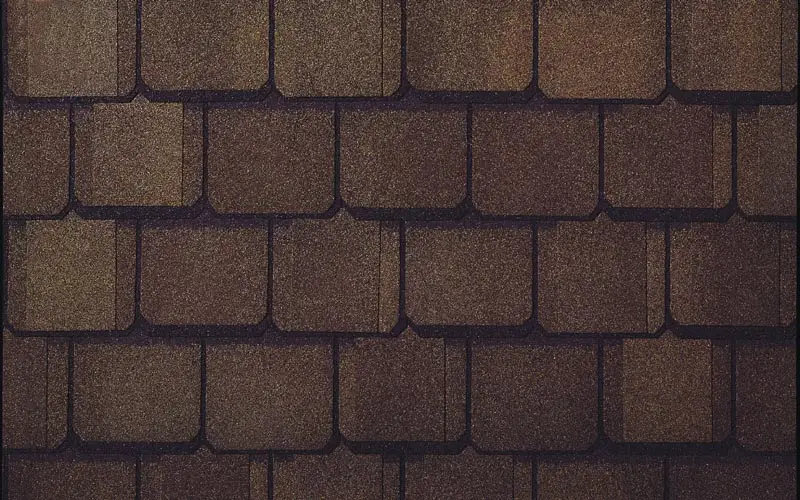
Upgrading your shingle roof from standard three tab shingles to dimensional shingles (also known as architectural shingles) provides improved durability, enhanced aesthetics, and a wider range of design options.
Asphalt shingles are the most common roofing material in the U.S. and are also the most affordable option, with a typical lifespan of 20-30 years.
Most homeowners spend around $11,000 for a standard asphalt shingle roof replacement, with the cost typically ranging from $5,855 to $13,116, and roofing companies charging an average of $3.50 to $6.00 per square foot. For a typical 1,700 square foot asphalt shingle roof, the cost of a roof replacement can range from $6,000 to $9,000.
Architectural shingles offer superior performance, better warranties, and significantly improved curb appeal. They’re thicker, more durable, and designed to withstand harsh weather that would damage basic shingles.
Why Premium Shingles Matter
Architectural shingles last 30-50 years compared to 15-20 years for 3-tab shingles. They’re constructed with multiple layers that create dimensional texture and provide better wind resistance—typically rated for 110-130 mph winds versus 60-90 mph for standard shingles.
Premium shingles also come with better warranties. When installed by certified contractors like County Roofing Systems, you can qualify for 50-year manufacturer warranties that aren’t available with budget materials or non-certified installers.
Material Options to Consider
GAF Timberline HDZ offers excellent durability with LayerLock technology that provides industry-leading wind resistance. CertainTeed Landmark shingles deliver exceptional performance with a Class 4 impact rating option. Owens Corning Duration series provides superior protection with patented SureNail technology.
The appearance difference is dramatic. Architectural shingles create depth and shadow lines that make homes look more expensive and better maintained—a key factor when it’s time to sell.
Installation Requirements
Here’s the critical part: premium shingles only perform as designed when installed correctly. Improper nailing patterns, inadequate starter strips, or incorrect underlayment can void manufacturer warranties and cause premature failure.
Certified installers follow specific protocols that include proper nailing depth and placement, correct shingle alignment and overlap, appropriate starter course installation, and proper attic ventilation to prevent heat damage.
FINANCE YOUR HOME IMPROVEMENT PROJECT TODAY
0% Financing, Quick and Easy Approval
With nearly four decades serving homeowners under our belt, we know what’s needed to make your roofing project a success.
When you work with County Roofing, you get only the best. As little as 0% interest on approval for 5 years, quick approval, easy pay, and all backed by the best guarantees in the industry.
2. Install Impact-Resistant Roofing
Hail damage costs American homeowners billions annually, and standard shingles offer little protection.
Impact-resistant shingles are engineered to withstand hail strikes that would crack or puncture conventional materials. They’re tested using steel balls dropped from specific heights—passing tests means they can handle 2-inch hail at terminal velocity.
Insurance Premium Reductions
Many insurance companies offer 10-30% premium discounts for homes with impact-resistant roofing. Over a roof’s lifespan, these savings can offset much of the upgrade cost.
Check with your insurance carrier before upgrading to understand specific discount amounts and certification requirements. Some insurers require Class 4 rating (the highest impact resistance level) for maximum discounts.
Performance Beyond Hail
Impact-resistant shingles also resist damage from falling branches, wind-blown debris, and foot traffic during maintenance. This durability translates to fewer repairs and longer roof life in harsh climates.
The construction differs from standard shingles. They incorporate modified asphalt with rubberized polymers that absorb impact energy rather than cracking. This flexibility also helps them perform better in freeze-thaw cycles common in the Northeast.
Long-Term Value
Impact-resistant roofing delivers value beyond insurance savings. You avoid emergency repairs after storms, maintain better curb appeal without damaged shingles, reduce maintenance costs over the roof’s life, and add a marketable feature when selling your home.
The upgrade cost is typically 10-20% more than standard architectural shingles, but the protection and savings make it worthwhile for most homeowners.
3. Upgrade Your Attic Ventilation System
Poor ventilation is one of the most common—and expensive—roofing mistakes homeowners make.
Without proper airflow, heat and moisture build up in your attic, causing ice dams in winter, dramatically shortened shingle life, reduced energy efficiency, and mold growth that damages insulation and framing.
How Proper Ventilation Works
Effective ventilation requires balanced intake and exhaust. Cool air enters through soffit vents at the eaves, rises as it warms, and exits through ridge vents or other exhaust vents at the roof’s peak.
This continuous airflow prevents heat buildup that can make attics reach 150+ degrees in summer—temperatures that literally cook shingles from underneath and age them prematurely.
Ventilation Upgrade Options
Ridge vents run along the entire roof peak, providing continuous exhaust that’s virtually invisible and highly effective. Soffit vents ensure adequate intake—many older homes have insufficient soffit ventilation that bottlenecks the entire system.
Attic fans provide powered exhaust for homes where passive ventilation isn’t sufficient. Baffles maintain airflow channels between insulation and roof deck, preventing blocked intake.
Signs You Need Better Ventilation
Look for ice dams forming at roof edges during winter, excessive heat in upstairs rooms during summer, moisture or frost on attic framing, and premature shingle aging (curling or granule loss well before expected lifespan).
Proper ventilation can extend shingle life by 5-10 years. That’s thousands in avoided replacement costs, making it one of the most cost-effective upgrades available.
Professional Assessment Required
DIY ventilation modifications often make problems worse by disrupting airflow patterns or creating unbalanced systems. Professional assessment determines the right combination of intake and exhaust for your specific roof design.

4. Add Seamless Gutter Systems
Traditional sectional gutters have joints every 10 feet—and every joint is a potential leak point.
Seamless gutters are custom-fabricated on-site to fit your home’s exact dimensions, with joints only at inside and outside corners. This dramatically reduces leak potential while improving appearance and performance.
Performance Advantages
Fewer joints mean fewer clogs. Debris can’t accumulate at seams, and water flows more smoothly through the system. Seamless gutters are also stronger—the continuous runs don’t have weak points where sections connect.
They handle heavy rainfall more effectively, which matters in the Northeast where severe thunderstorms dump inches in minutes. Standard gutters often overflow at seams during heavy rain, allowing water to damage siding, foundations, and landscaping.
Maintenance Benefits
Seamless gutters require less frequent cleaning because they don’t catch debris at joints. When cleaning is needed, it’s faster and easier without seam obstructions.
They also last longer—typically 20-30 years compared to 10-15 for sectional gutters. The investment pays off through reduced maintenance and extended lifespan.
Material and Color Options
Aluminum seamless gutters come in dozens of colors to match or complement your siding and trim. Copper gutters provide premium aesthetics and can last 50+ years. Steel gutters offer maximum strength for homes with heavy snow loads or large roof areas.
Professional Installation Essential
Seamless gutters must be fabricated and installed by professionals with specialized equipment. Proper pitch is critical—too flat and water pools, too steep and it rushes past downspouts.
Incorrect installation can actually cause more problems than old sectional gutters, making professional expertise non-negotiable for this upgrade.
5. Install Energy-Efficient “Cool Roof” Materials
Standard dark shingles can reach 150-180 degrees in summer sun, turning your attic into an oven.
Cool roof materials use reflective granules that reflect solar radiation rather than absorbing it. Cool roof shingles are designed to reflect more sunlight and reduce heat absorption, which helps lower energy costs. This keeps roof surface temperatures 50-60 degrees cooler, dramatically reducing heat transfer into your home.
Energy Savings That Add Up
Cool roofs can reduce air conditioning costs by 10-30% depending on your home’s insulation, orientation, and climate. In a typical home, that’s $200-600 annually in savings.
Over a roof’s 30-year lifespan, energy savings can exceed $6,000-18,000—making cool roofing one of the highest-ROI upgrades available. The technology has also improved dramatically, so you’re not limited to white or light-colored shingles anymore.
Modern Cool Roof Options
Today’s cool shingles come in popular colors from grays to browns to blacks. The reflective technology is in the granules, not the color. You get the aesthetic you want with the energy performance you need.
GAF’s Timberline Cool Series, CertainTeed’s Solaris line, and Owens Corning’s Cool Roofing products all offer extensive color options with excellent solar reflectance ratings.
Additional Benefits
Beyond energy savings, cool roofing extends shingle life by reducing thermal stress. Cooler attics also protect HVAC equipment, ductwork, and stored items from heat damage.
Your HVAC system works less hard to maintain comfortable temperatures, which extends equipment life and reduces maintenance costs. These secondary benefits add significant value beyond utility bill savings.
Installation Considerations
Cool roofing requires proper ventilation to maximize performance. Without adequate airflow, even reflective materials can’t keep attics comfortable. Professional installers assess your entire roofing system to ensure all components work together effectively.
THE BEST GUARANTEE IN THE INDUSTRY
50-Year Material, 25-Year Labor Guarantee
We’ve met the toughest requirements in the residential roofing industry- and we use only the best materials.
That’s why we stand behind our work with the best guarantee in the industry– including warranties only 2% of roofing companies can offer.
Your house deserves the best roofing warranty on the market. Give us a call today and get a brand new roof with a 50-year material, 25-year labor warranty from the best roofing contractor in Long Island and New York.
6. Upgrade to Enhanced Underlayment
Most homeowners never see their roof underlayment, but it’s critical protection.
Standard felt paper (the traditional underlayment) deteriorates in UV exposure, tears easily during installation, and provides minimal waterproofing. Synthetic underlayment offers dramatically better protection at modest additional cost.
Synthetic Underlayment Advantages
Synthetic underlayment is 10-20 times stronger than felt paper and resists tearing during installation and from wind uplift. It’s waterproof rather than just water-resistant, protecting your deck even if shingles blow off.
UV resistance means it can be exposed during installation without degrading—important when weather delays roofing projects. Synthetic underlayment remains stable for weeks if necessary, while felt paper breaks down in days.
Ice and Water Shield
Ice and water shield is a self-adhering membrane applied to vulnerable areas like eaves, valleys, and around penetrations. It creates watertight protection where ice dams and wind-driven rain cause most damage.
Building codes in cold climates often require ice and water shield on eaves. But smart homeowners extend it to valleys, around chimneys, and along rakes for comprehensive protection.
Long-Term Performance
Enhanced underlayment extends roof life by providing backup protection when shingles eventually wear. It’s insurance against leaks from wind damage, ice dams, and other events that might temporarily compromise shingles.
The upgrade cost is typically $200-800 depending on roof size and coverage area, but it prevents water damage that would cost thousands to repair.
Installation Critical
Improper underlayment installation voids its benefits. Synthetic materials must be rolled correctly to prevent wrinkles, sealed at seams, and secured with proper fasteners. Ice and water shield requires specific temperature ranges and application techniques.
This is another upgrade where professional installation is absolutely essential.
7. Add Gutter Protection Systems
Climbing ladders twice a year to scoop rotting leaves out of gutters isn’t anyone’s idea of fun.
Gutter guards eliminate this chore while improving gutter performance and preventing ice dams. Modern systems are far more effective than the cheap screens that clog quickly and become maintenance problems themselves.
Types of Gutter Protection
Micro-mesh guards use stainless steel mesh fine enough to block pine needles while allowing water through. Reverse-curve systems use surface tension to guide water into gutters while debris falls off.
Foam inserts block debris but can hold moisture and deteriorate. Brush-style guards catch leaves but require periodic removal and cleaning of accumulated debris.
The best choice depends on your trees, roof pitch, and rainfall patterns. Professional installers assess these factors to recommend appropriate systems.
Performance and Savings
Quality gutter guards reduce cleaning frequency by 80-90%. You’ll still need occasional inspection and light maintenance, but hours of dangerous ladder work become minutes of ground-level checks.
They also prevent ice dams by keeping gutters clear. When water flows freely instead of backing up behind debris dams, it drains away before freezing at roof edges.
Cost vs. Value Analysis
Professional gutter guard systems cost $1,500-3,500 for typical homes. Compare this to hiring cleaners twice annually at $150-300 per visit—guards pay for themselves in 3-7 years while eliminating ladder safety risks.
They also prevent water damage from overflowing gutters, which can cost thousands to repair. Foundation damage, basement flooding, and wood rot from gutter overflow often exceed the cost of gutter guards many times over.
Professional Installation Matters
DIY gutter guards often fail because they’re incompatible with your gutter system or installed incorrectly. Professional systems are designed for your specific gutter profile and secured properly to withstand wind and snow loads.
Improperly installed guards can actually worsen ice dam problems or create new leak points where they attach to gutters.
8. Install Skylights for Natural Light
Strategic skylight placement transforms dark interiors while reducing electricity costs.
Modern skylights are energy-efficient, properly flashed, and virtually leak-proof when installed correctly. They provide natural light that makes homes feel larger and more inviting—a significant value-add for resale.
Types and Applications
Fixed skylights provide light without ventilation, ideal for living rooms, hallways, and rooms where air circulation isn’t needed. Ventilating skylights open to exhaust hot air and bring in fresh air, perfect for kitchens and bathrooms.
Tubular skylights fit in small spaces and transport light through reflective tubes—excellent for closets, bathrooms, and hallways where traditional skylights won’t fit.
Energy Efficiency Considerations
Quality skylights include Low-E coatings that block UV rays while allowing visible light through. This prevents furniture fading and excessive heat gain while providing natural illumination.
Double or triple-pane glazing provides insulation comparable to walls, preventing heat loss in winter. Proper installation with adequate flashing ensures skylights don’t compromise your roof’s weather protection.
Installation Complexity
Skylight installation requires cutting through your roof deck and framing—work that creates permanent leak potential if done improperly. Professional installers understand proper flashing techniques, structural requirements, and finish details that prevent problems.
They also coordinate interior finishing, drywall work, and proper insulation around the shaft. DIY skylight installation frequently results in leaks, condensation problems, or poor appearance.
9. Upgrade Flashing Around Penetrations
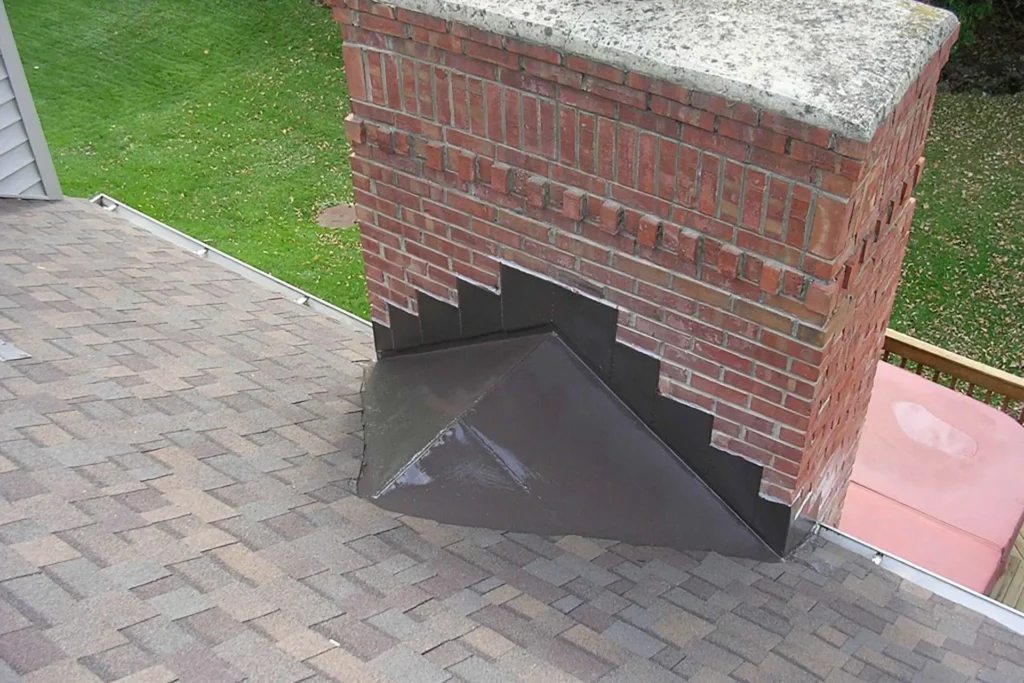
Flashing creates waterproof seals where your roof meets chimneys, vents, skylights, and walls.
Most roof leaks occur at these penetrations, not in the field of shingles. Upgrading to premium flashing materials and proper installation techniques prevents the majority of leak problems homeowners experience.
Modern Flashing Materials
Traditional galvanized steel flashing rusts and fails within 15-20 years. Aluminum flashing never rusts and matches most home exteriors. Copper flashing lasts 50+ years and develops an attractive patina.
Rubberized flashing boots for pipe penetrations remain flexible in temperature extremes and seal reliably for decades. Standard rubber boots crack and fail within 10 years, requiring replacement.
Critical Installation Details
Flashing must be integrated into the roofing system, not just laid on top. Each course of shingles must overlap flashing correctly, with proper sealant and fastener placement.
Step flashing along walls and dormers requires individual pieces shingled into the roof rather than long continuous runs. Counter-flashing must be properly embedded in masonry or siding to prevent water infiltration.
When to Upgrade
If your roof is 15+ years old, flashing is likely deteriorating even if shingles look acceptable. Upgrading flashing during roof replacement prevents future leak problems at minimal additional cost.
For newer roofs, inspect flashing annually. Rust, gaps, lifted sealant, or cracks indicate it’s time to upgrade before leaks develop.
Professional Installation Required
Flashing is precision work that requires roofing expertise. Incorrect installation is worse than old flashing because it creates leak pathways while looking secure. Professional roofers understand substrate preparation, proper overlap sequences, and sealant application that ensures lasting waterproof protection.
10. Complete Roof Replacement
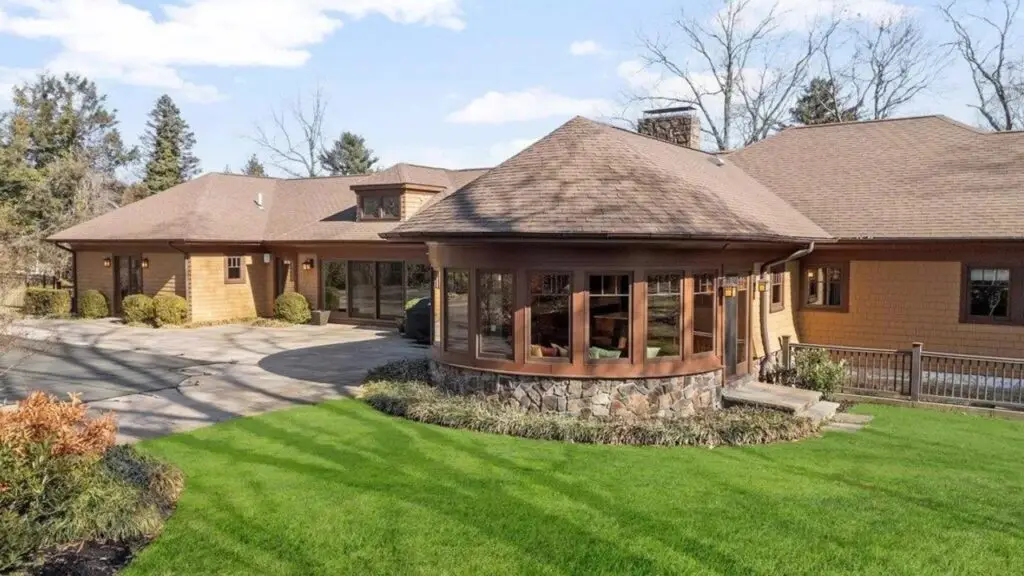
Sometimes the best upgrade is replacing your entire roofing system.
If your roof is approaching 20 years old, showing multiple problems, or built with inferior materials, piecemeal repairs don’t make financial sense.
With that said, it’s important for a professional to assess the condition of the existing roof to determine if roof removal is necessary before starting a replacement.
A complete replacement with modern materials and proper installation provides decades of reliable protection. Choosing a full roof system—where all components work together for durability and warranty coverage—ensures better long-term performance.
When Replacement Makes Sense
Consider full replacement if your roof is 18+ years old with increasing repair frequency, has widespread granule loss or multiple damaged areas, failed during recent storms requiring extensive repairs, or was improperly installed originally with ongoing problems.
Roof-over (installing new shingles over old) is tempting but rarely advisable. It adds weight your structure may not handle, traps moisture that rots decking, prevents inspection of the existing deck, and voids most manufacturer warranties.
Comprehensive System Approach
Proper replacement includes more than new shingles. Professional contractors inspect and repair deck damage, install quality underlayment and ice barriers, upgrade ventilation if needed, and install premium flashing around all penetrations.
They also install new drip edge, properly aligned starter courses, and correct shingle patterns. This comprehensive approach ensures every component works together for maximum performance and longevity.
Material Selection Matters
Don’t let contractors pressure you into builder-grade materials. Premium architectural shingles, synthetic underlayment, and quality flashing cost 15-25% more but deliver dramatically better performance.
County Roofing Systems uses only top-tier materials from GAF, CertainTeed, and Owens Corning—manufacturers that back their products with industry-leading warranties when installed by certified contractors.
Investment Value
A complete roof replacement costs $8,000-25,000 depending on size, complexity, and materials. It provides decades of reliable protection, eliminates repair costs and emergency calls, qualifies you for enhanced warranties, increases home value significantly, and delivers peace of mind.
This isn’t the upgrade to cheap out on. Your roof protects everything else you own. Invest in quality materials and expert installation that will perform flawlessly for decades.
Why Professional Installation Makes All the Difference
Here’s the truth about roof upgrades: the quality of installation matters more than the quality of materials.
The best shingles installed improperly will fail prematurely. Budget materials installed by experts will outperform premium products installed by inexperienced contractors. Every upgrade we’ve discussed requires specialized knowledge, proper techniques, and attention to detail that only comes from years of experience.
What Separates Professional Installation
Certified contractors follow manufacturer specifications precisely because that’s how materials perform as designed and how warranties remain valid. They understand how components interact—how ventilation affects shingle life, how underlayment and flashing work together, how gutter pitch affects drainage.
They use proper tools and techniques for each task. They know when substrate repairs are needed. They recognize potential problems before they become failures.
The County Roofing Systems Advantage
Not all professional contractors offer the same expertise. County Roofing Systems holds both GAF Master Elite and CertainTeed SELECT ShingleMaster certifications—designations held by only 2% of roofing contractors nationwide.
These certifications require extensive training, proven installation excellence, and financial stability. They give you access to enhanced warranties that other contractors can’t offer. They demonstrate our commitment to doing things right, not just quickly.
We’ve been serving New York homeowners for 35+ years. We use only premium materials, never budget products that other contractors use to increase their margins. Every person on your roof is our employee, not a subcontractor—ensuring consistent quality and accountability.
Our 25-year labor warranty (compared to the industry standard 1-2 years) demonstrates our confidence in our workmanship. Combined with 50-year manufacturer warranties available only through elite certified contractors, your home gets protection that’s virtually unmatched.
Schedule Your Roof Upgrade Consultation
Ready to improve your roof’s performance, appearance, and value?
County Roofing Systems offers free consultations to discuss which upgrades make sense for your home and budget. We’ll assess your current roof, explain your options, and provide detailed proposals with transparent pricing—no pressure, no sales tactics, just expert guidance.
Contact County Roofing Systems today at [PHONE] or visit [WEBSITE] to schedule your free consultation.
Your home deserves upgrades installed correctly by certified professionals who stand behind their work with industry-leading warranties. Experience the difference that 35+ years of expertise and elite certifications make.
- First Approvals
- 0% financing
- No income check
- Up to 15 years
- Monthly payments as low as $149
Call today or contact us below for a FREE roofing estimate:
Frequently Asked Questions
Which roof upgrade provides the best return on investment?
Premium architectural shingles typically provide the best ROI, delivering 60-70% return on investment according to Remodeling Magazine’s Cost vs. Value report. They improve curb appeal, extend roof life significantly, and are often required by buyers in higher-end markets.
Energy-efficient cool roofing also provides excellent ROI through utility savings over the roof’s lifespan. The best upgrade for your specific situation depends on your home’s age, condition, and your long-term plans.
Can I install just one or two upgrades, or should I do everything at once?
You can certainly install upgrades individually, but bundling upgrades during roof replacement is most cost-effective. Labor costs are reduced significantly when multiple upgrades happen simultaneously since contractors are already on-site with equipment and materials.
For example, upgrading ventilation and installing premium shingles during replacement costs far less than adding ventilation afterward. However, if your roof isn’t due for replacement, upgrades like gutter guards or improved ventilation can be installed independently with good value.
How much do these roof upgrades typically add to replacement cost?
Upgrade costs vary significantly based on roof size and complexity. Premium architectural shingles add 15-30% to material costs. Impact-resistant shingles add another 10-20%. Synthetic underlayment adds $200-800. Upgraded ventilation adds $500-2,000.
Seamless gutters cost $1,500-3,500. Gutter guards add $1,500-3,500. Cool roofing typically costs 5-15% more than standard shingles. Most homeowners invest 20-40% more than basic replacement for a comprehensive upgrade package, with significantly better performance and longevity justifying the investment.
Do roof upgrades really lower homeowners insurance premiums?
Impact-resistant roofing (Class 4 rated) qualifies for insurance discounts of 10-30% in most states, with exact amounts varying by insurer and location. These discounts can save $200-600 annually, offsetting upgrade costs over time.
Some insurers also offer smaller discounts for wind-resistant shingles or new roof installations. Contact your insurance agent before upgrading to understand specific discount amounts, required certifications, and documentation needed. Keep all installation receipts and certification documents for your insurance files.
How long do different roof upgrades last?
Premium architectural shingles last 30-50 years depending on quality and climate. Impact-resistant shingles have similar lifespans with better durability. Seamless aluminum gutters last 20-30 years, copper gutters 50+ years. Quality gutter guards last 20-25 years.
Synthetic underlayment lasts as long as the shingles above it. Proper attic ventilation components last the life of your roof. Skylights last 20-30 years for quality units. Premium flashing materials like aluminum or copper last 30-50+ years. All lifespans assume professional installation—DIY or poor installation dramatically reduces expected life.
What happens if roof upgrades aren't installed correctly?
Improperly installed upgrades can void manufacturer warranties, fail prematurely requiring expensive repairs or replacement, create new leak points that damage your home’s interior and structure, increase energy costs rather than reducing them, and reduce rather than increase home value.
For example, incorrect ventilation modifications can trap moisture and shorten shingle life by years. Poorly installed skylights leak and cause thousands in water damage. Improper flashing installation creates leak pathways that rot framing. This is why professional installation by certified contractors is essential—it ensures upgrades perform as designed and warranties remain valid.