6 Common Roof Problems In Long Island
Over 35 Years as a Roofer in Long Island
Long Island homeowners face unique challenges when it comes to maintaining their roofs. With the region’s fluctuating weather patterns—ranging from hot, humid summers to cold, snowy winters and frequent coastal storms—roofing systems in this area endure significant stress. This comprehensive guide explores the most common roof problems faced by homeowners on Long Island, their causes, and how to prevent and address them effectively.
Why Long Island Roofs Are Vulnerable to Problems
Long Island’s geographic location exposes it to several environmental factors that can contribute to roofing problems, including:
Coastal Weather: Proximity to the ocean brings moisture-laden air and the potential for salt spray, both of which can accelerate wear and tear on roofing materials.
Temperature Extremes: Hot summers and freezing winters cause roofing materials to expand and contract, leading to cracks and other forms of deterioration. Additionally, UV rays from the sun can break down the protective granules on shingles, accelerating roof deterioration and making the materials more vulnerable to water damage.
Storm Activity: Long Island regularly experiences powerful storms, including hurricanes and nor’easters, which can bring high winds, heavy rainfall, and even hail—causing significant damage to roofs.
Humidity and Moisture: Humidity levels remain high for much of the year, contributing to mold, algae growth, and wood rot in roofing systems.
Pests can also cause serious damage to shingles, further threatening the roof’s integrity.
All these factors can compromise your roof’s integrity if not addressed promptly.
6 Common Roof Problems
with Long Island Properties
1. Leaks and Roof Damage
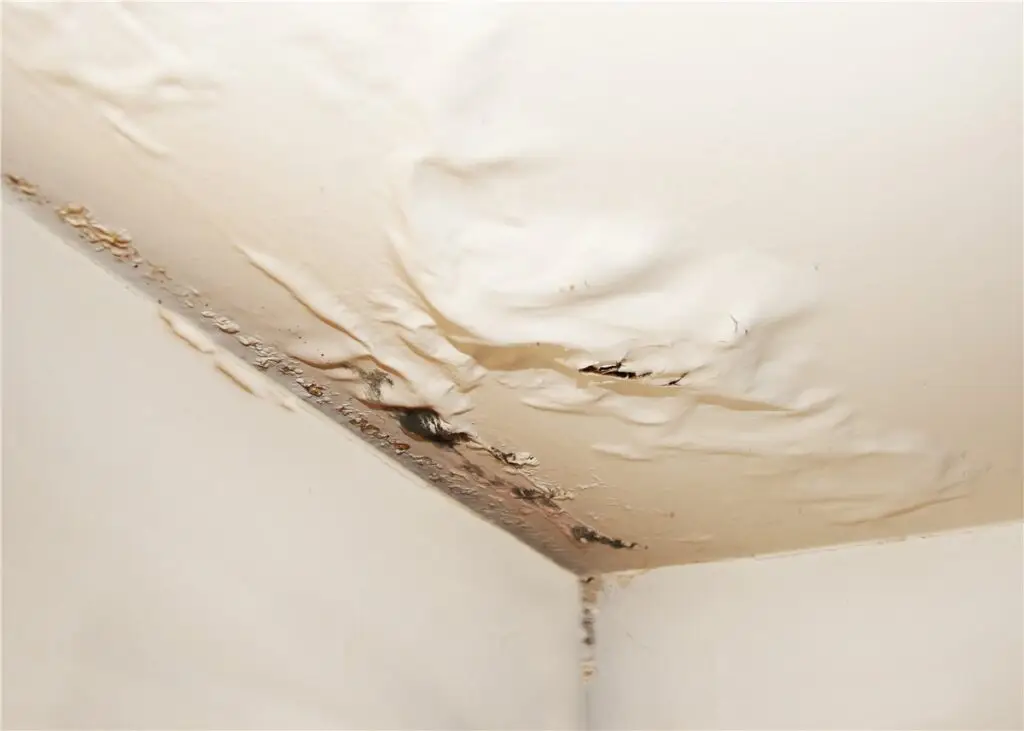
One of the most frequent roof issues faced by Long Island homeowners is roof leaks. Due to the region’s wet climate and storm activity, water infiltration can become a major problem if your roof is not well-maintained or properly sealed.
Water can eventually seep into the roof structure and even reach interior walls, causing stains or mold to appear inside your home.
Causes of Roof Leaks:
- Damaged Shingles: Strong winds and hail can dislodge or damage shingles, leaving gaps where water can penetrate.
- Improper Flashing: Flashing seals the joints where your roof meets vertical structures like chimneys or skylights. When flashing becomes loose or corroded, water can seep in through these weak spots.
- Clogged Gutters: Gutters that aren’t cleaned regularly can become clogged with leaves, debris, and dirt, causing water to back up and pool on your roof. This standing water increases the likelihood of leaks.
Prevention Tips:
- Regularly inspect your roof for damaged or missing shingles, especially after storms.
- Ensure flashing is properly installed and intact.
- Clean your gutters at least twice a year to prevent water buildup.
2. Algae and Moss Growth
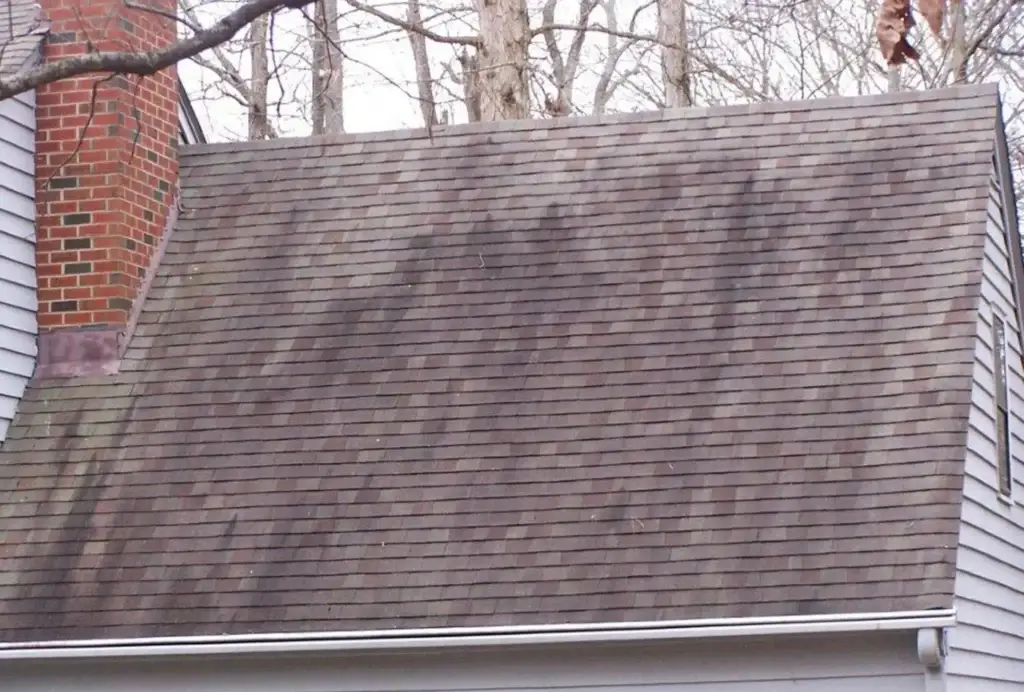
Algae and moss growth are common problems on Long Island due to the region’s high humidity and frequent rainfall.
Preventing moisture buildup is key to avoiding moss and algae growth, as excess moisture creates the perfect environment for these organisms to thrive. These growths can be unsightly and, if left untreated, can compromise the integrity of your roof over time.
Moss and algae can trap moisture against your shingles, leading to moisture buildup, roof deterioration, rot, and the breakdown of roofing materials.
Causes of Algae and Moss Growth:
- Humidity: High humidity levels create an ideal environment for algae and moss to thrive.
- Shade: Roofs with areas of shade (often from trees or neighboring buildings) tend to stay damp longer, encouraging the growth of moss and algae.
- Organic Debris: Leaves, dirt, and other organic material trapped on your roof can serve as a breeding ground for algae and moss.
Prevention Tips:
- Install algae-resistant shingles with copper or zinc granules, which help repel algae growth.
- Keep trees trimmed to reduce shade and improve airflow across your roof.
- Remove debris from your roof regularly and consider installing zinc or copper strips along the ridge to prevent moss and algae from taking hold.
3. Shingle Damage
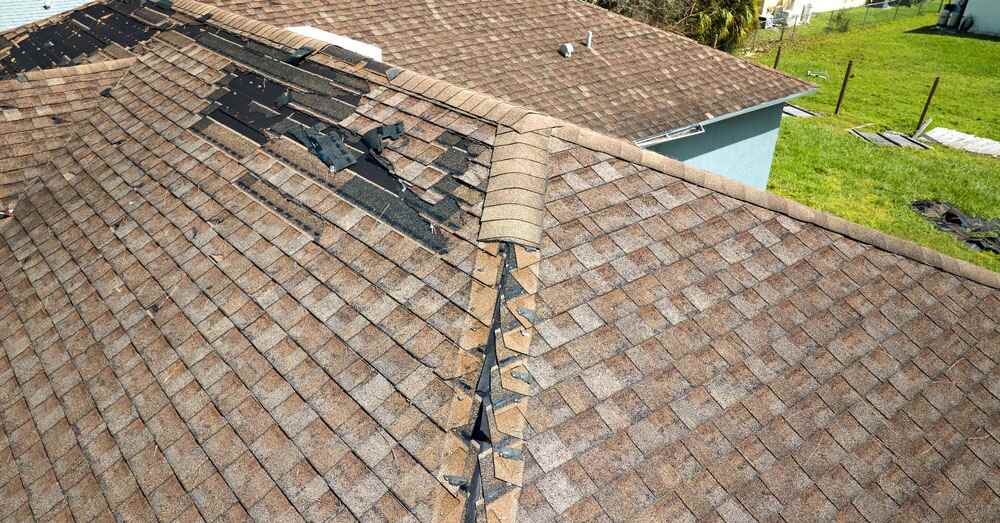
Shingles are the first line of defense against the elements, and they often take the brunt of weather-related damage.
On Long Island, high winds, hailstorms, and temperature fluctuations can lead to significant shingle wear and tear. Shingle problems caused by severe weather can leave your roof vulnerable to water infiltration and further deterioration if not addressed promptly.
You may be able to spot lifted or damaged shingles, or you may see granules in your gutter from worn out shingles.
Causes of Shingle Damage:
- Wind: High winds during storms can rip shingles off or cause them to loosen over time.
- Hail: Hailstones can crack or puncture shingles, leaving them vulnerable to further damage.
- Temperature Swings: The freeze-thaw cycle in winter causes shingles to expand and contract, leading to cracking, warping, and curling.
Prevention Tips:
- Inspect your roof regularly for signs of shingle problems, especially after severe weather.
- Replace damaged shingles promptly to prevent further issues and keep your roof from becoming vulnerable to leaks.
- Keep gutters clear to prevent water backup and additional shingle wear.
Scheduling a professional inspection every few years is a productive extra step to catch hidden shingle problems before they escalate.
4. Ice Dams
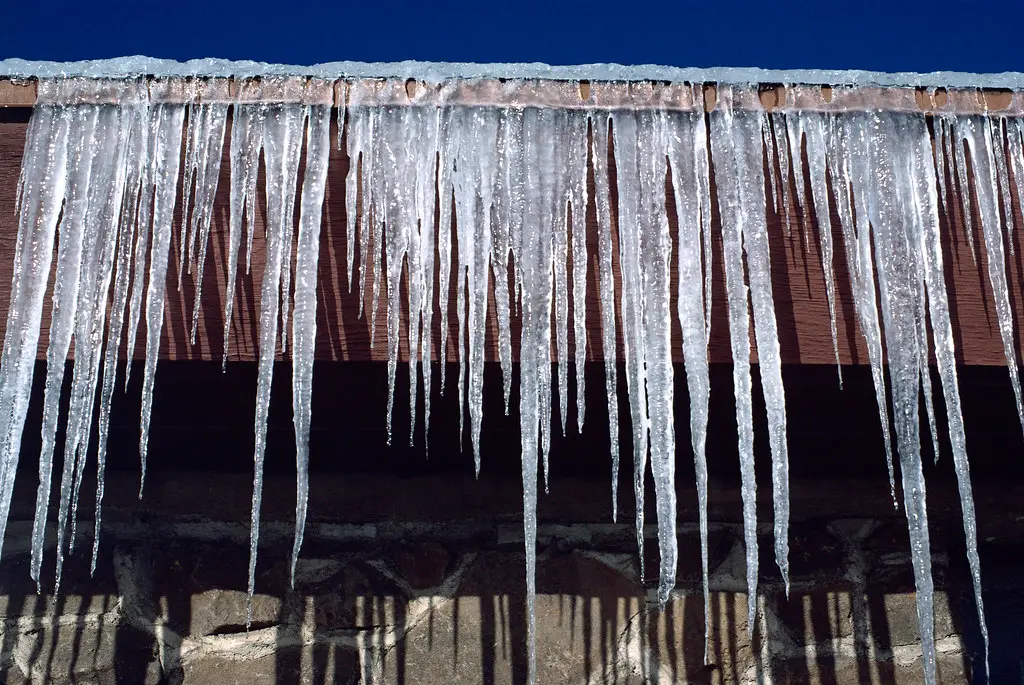
Long Island winters can bring cold temperatures and snow, which often result in ice dams—a common and potentially damaging roofing issue.
Snow and ice can wreak havoc on your roof’s edge, leading to leaks and structural damage if not addressed promptly. Ice dams form when snow on the roof melts, runs down the roof, and refreezes at the roof’s edge (the eaves), preventing proper drainage. Accumulation of snow and ice at the roof’s edge is a key factor in ice dam formation.
Ice dams can force water under the shingles, or cause structural damage to gutters and downspouts.
Causes of Shingle Damage:
- Poor Attic Insulation and Ventilation: Heat escaping from the attic melts snow on the roof’s surface, which then refreezes at the colder eaves. Proper ventilation is vital to protect both your roof and your energy bills, as inadequate airflow can lead to trapped heat, moisture buildup, and higher energy costs.
- Clogged Gutters: Blocked gutters can trap water, leading to ice formation and creating dams that prevent snowmelt from draining off the roof.
Prevention Tips:
- Ensure your attic is well-insulated to prevent heat loss and reduce the chances of snowmelt.
- Install roof heating cables to help melt snow and prevent ice formation.
- Keep gutters and downspouts clear of debris to promote proper water drainage.
5. Ventilation Problems
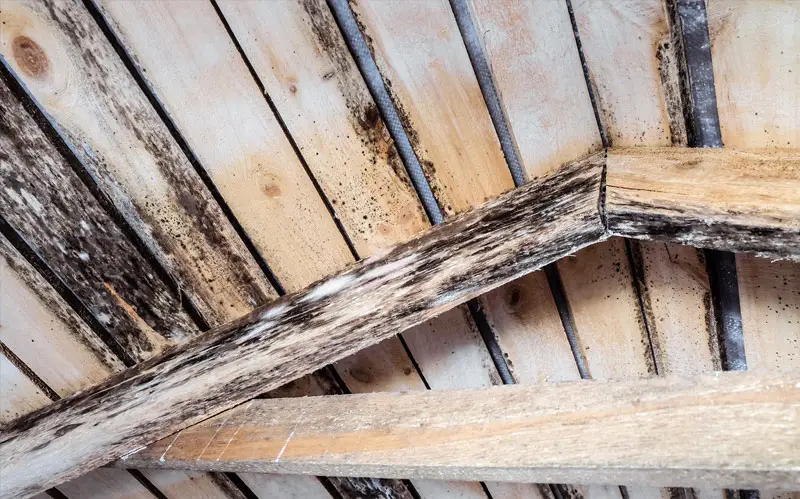
Proper attic ventilation is critical to the health of your roofing system, especially in climates like Long Island’s. Roof vents, including ridge vents, play a key role in maintaining proper attic ventilation by preventing moisture buildup and regulating temperature.
Poor ventilation can trap moisture in the attic, leading to mold growth, wood rot, and structural damage. During the summer, an overheated attic can lead to shingle blistering and shorten your roof’s lifespan.
Causes of Ventilation Problems:
Blocked or Inadequate Vents: Ridge vents, soffit vents, and other ventilation systems can become blocked by debris, restricting airflow.
Improper Installation: In some cases, ventilation systems are not installed properly, leading to imbalances in the intake and exhaust of air.
Improper Ventilation: Inadequate or incorrect attic ventilation can cause trapped moisture and heat, leading to premature roof failure and reducing your roof’s life and overall lifespan.
To protect your roof’s lifespan and avoid premature roof failure, it’s important to ensure your attic has proper ventilation with functioning roof vents and ridge vents. ‘
Scheduling a professional inspection every few years can help catch hidden ventilation issues and recommend solutions before they become costly problems.
6. Gutter and Downspout Problems
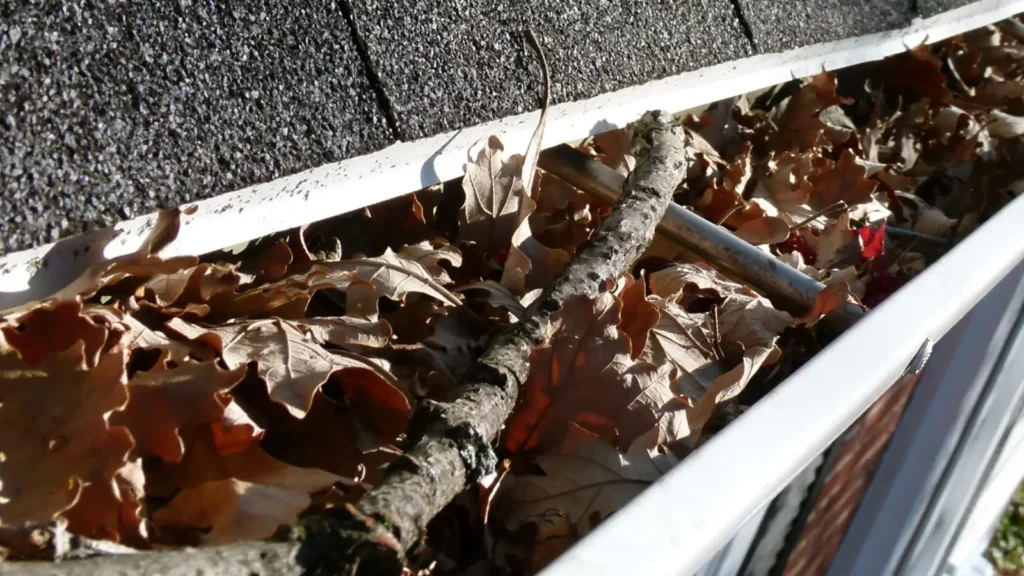
Gutters and downspouts play a crucial role in directing water away from your roof and foundation. When these systems become clogged or damaged, it can lead to a host of roofing problems.
Water that backs up from blocked gutters can eventually seep into the eaves or roof structure, causing rot and damage to the building’s interior or roof components over time.
Water pooling is especially problematic on flat roofs, where improper drainage can lead to long-term issues such as mold, leaks, and structural damage.
Causes of Gutter and Downspout Problems:
- Clogged Gutters: Leaves, debris, and dirt can accumulate in gutters, causing water to back up and overflow onto the roof. This water can eventually seep into the roof structure, leading to rot and interior damage.
- Improper Slope: If gutters aren’t sloped correctly, water may not drain properly, leading to standing water that can damage the roof and fascia. On flat roofs, this water pooling can cause significant long-term problems.
- Damaged Downspouts: Downspouts that are blocked or disconnected can cause water to pool around your foundation, potentially leading to basement flooding and roof damage. Using roof sealant to repair cracks and leaks in gutters and flashing can help ensure proper water drainage and prevent water damage.
How to Avoid Common Long Island Roof Problems
While many of the roofing issues faced by Long Island homeowners are caused by environmental factors beyond your control, there are steps you can take to minimize the risk of damage and extend the life of your roof.
Routine maintenance and keeping your roof properly maintained through regular inspections and timely repairs are essential to avoid costly repairs and prevent minor issues from becoming major problems.
Schedule Regular Roof Inspections
One of the best ways to prevent roofing problems is by scheduling regular inspections with a licensed roofing contractor. Professional roofers can identify potential issues, such as damaged shingles, flashing problems, or poor ventilation, before they escalate into larger, more expensive repairs.
For steep roofs and high structures, professional roofers have the specialized equipment and experience needed to safely inspect and repair areas that can be dangerous for homeowners to access. It’s recommended to have your roof inspected at least once a year, and after major storms, to ensure it’s in good condition.
Keep Gutters and Roof Clear of Debris
Cleaning your gutters and roof regularly is crucial for preventing water buildup and damage. Clogged gutters can cause water to back up onto the roof, leading to leaks, shingle deterioration, and ice dams in the winter.
Clear away leaves, twigs, and other debris from both your roof and gutters to maintain proper drainage.
Tree damage is another common roof problem—overhanging branches can rub against the roof, scratch the surface, and wear down the top layer over time, or even fall and cause significant harm. Trimming or removing trees near your home helps prevent this type of damage and maintains your roof’s integrity. Installing gutter guards can also help keep debris out and reduce the frequency of gutter cleaning.
Trim Overhanging Trees
Overhanging branches can shade parts of your roof, encouraging moss and algae growth. They also pose a serious danger to your roof’s structural integrity, especially during storms or high winds, as falling branches can cause significant physical damage.
Thus, regularly trimming trees near your home helps protect your roof from falling branches, reduces moisture retention, and allows more sunlight to reach your roof, which discourages the growth of moss and algae.
Additionally, unnecessary foot traffic on the roof during maintenance can lead to scrapes, punctures, or holes, further contributing to roof deterioration over time. If your roof experiences storm damage, homeowners should contact a roofing contractor to assess and repair the damage as soon as possible.
Ensure Proper Ventilation
Adequate attic ventilation is key to preventing problems ranging from winter ice dams to shingle damage in summer. Ensure that your attic has enough intake and exhaust vents to promote air circulation. Proper ventilation helps maintain a balanced temperature in your attic, preventing both heat buildup and moisture retention that can lead to roof damage.
Address Minor Repairs Promptly
If you notice any signs of roof damage, such as missing shingles, cracked flashing, or leaks, address them as soon as possible. By delaying repairs, you risk more significant issues down the road, including water damage, mold growth, and structural damage. Fixing small problems early can extend the lifespan of your roof and avoid costly repairs or replacements.
Invest in High-Quality Roofing Materials
When it’s time to replace your roof, invest in high-quality, durable materials designed to withstand Long Island’s climate. Select roofing materials that can resist storm damage from high winds, hail, and debris to ensure your roof protects your home from the elements year-round.
For example, consider asphalt shingles with Class A fire ratings, algae resistance, and wind resistance. They can help you protect your home from the region’s weather conditions. Working with a reputable roofing contractor like County Roofing Systems ensures you choose the right materials and that they are installed correctly.