
Grace Ice & Water Shield:
Long Island's
Best Roof Protection
The last line of defense against roof leaks
As a Grace Ice and Water Shield contractor, I install Grace Vycor on all my roof installation projects.
Whether it’s new construction or a roof replacement on an older home, I insist on laying down Grace Ice and Water Shield as an underlayment from the beginning.
I’ve been a Long Island roofer for over 38 years, and I know just how important it is to start every roof with a solid foundation.
In 2022 CertainTeed purchased GCP Applied Technologies, Grace’s parent company. Since that time Grace Ice and Water Shield has been the recommended underlayment for the CertainTeed Integrity Roof System, the best roof on the market.
The roof underlayment protects your roof deck from water. Wind-blown rain and water buildup from ice dams can breach asphalt shingles. A waterlogged wooden deck may require extensive roof repair or even a complete roof replacement.
I’m a certified CertainTeed contractor, so I get special prices on Grace Vycor roofing products and pass the savings on to customers.
Roofing contractors without CertainTeed certification pay full price. Most don’t even both to offer Grace as an option. And since most people outside the roofing industry have never even heard of Grace, they have no idea what Grace Ice and Water Shield is or how its superior performance protects their family through Long Island’s worst weather.
You can’t see the roof underlayment after installation. Because of this, many roofing contractors cut corners at this stage.
They use cheap, inferior roof coverings and they do a shoddy job in laying it down. Proper cover is essential to prevent leaks and damage caused by ice dams, wind-driven rain, or weather extremes. And after a few seasons, the unsuspecting homeowner starts wondering why their roof keeps springing a leak.
It doesn’t matter if they did everything else right in their roof installation. Without a secure underlayment, any new roof will fail before its time.
When rain, impacts, or age wear down your shingles, the underlayment is your last line of defense. A good underlayment can be the difference between new shingles and a new roof.
The pennies you save on the wrong underlayment often bring you an ongoing source of expenses and headaches. Many homes experience these issues due to inadequate roof protection. Insurance may not always cover damage from wind-driven rain or leaks, so having proper underlayment is crucial to avoid costly repairs.
We know every step of the roofing installation matters, and that’s why we use only Grace . Another roofing company may offer lower bids for your roofing project, but you get what you pay for.
Protects better, lasts longer than the alternatives
There are two types of roof underlayment alternatives that are less expensive than Grace Ice & Water Shield.
But a lower price is about the only advantage they offer. These alternatives may not adequately protect vulnerable areas of the roof, such as valleys and low-slope sections, which are particularly susceptible to leaks and ice dam formation.
These underlayments may be suitable for homes in more temperate climates with consistent fair weather. But Long Island roofs face blistering summer sun and tropical storms, followed by winter ice storms and hurricanes.
Ice and water protectors are typically required for low-slope areas and valleys because these are the most vulnerable to leaks and ice dam formation. Grace Select is designed for maximum temperature resistance.
It shields your roof deck and damage from both cold and heat. This helps you save money on costly New York utility bills. During rainstorms Grace protects your home against water intrusion and water leaks that can damage your roof and your walls. Its high quality seal ensures that water pours off your roof, not into your home.
For comprehensive protection, it’s important to consider the rest of the roof structure, not just the main sections, to ensure all vulnerable areas are safeguarded.
ASPHALT SATURATED FELT
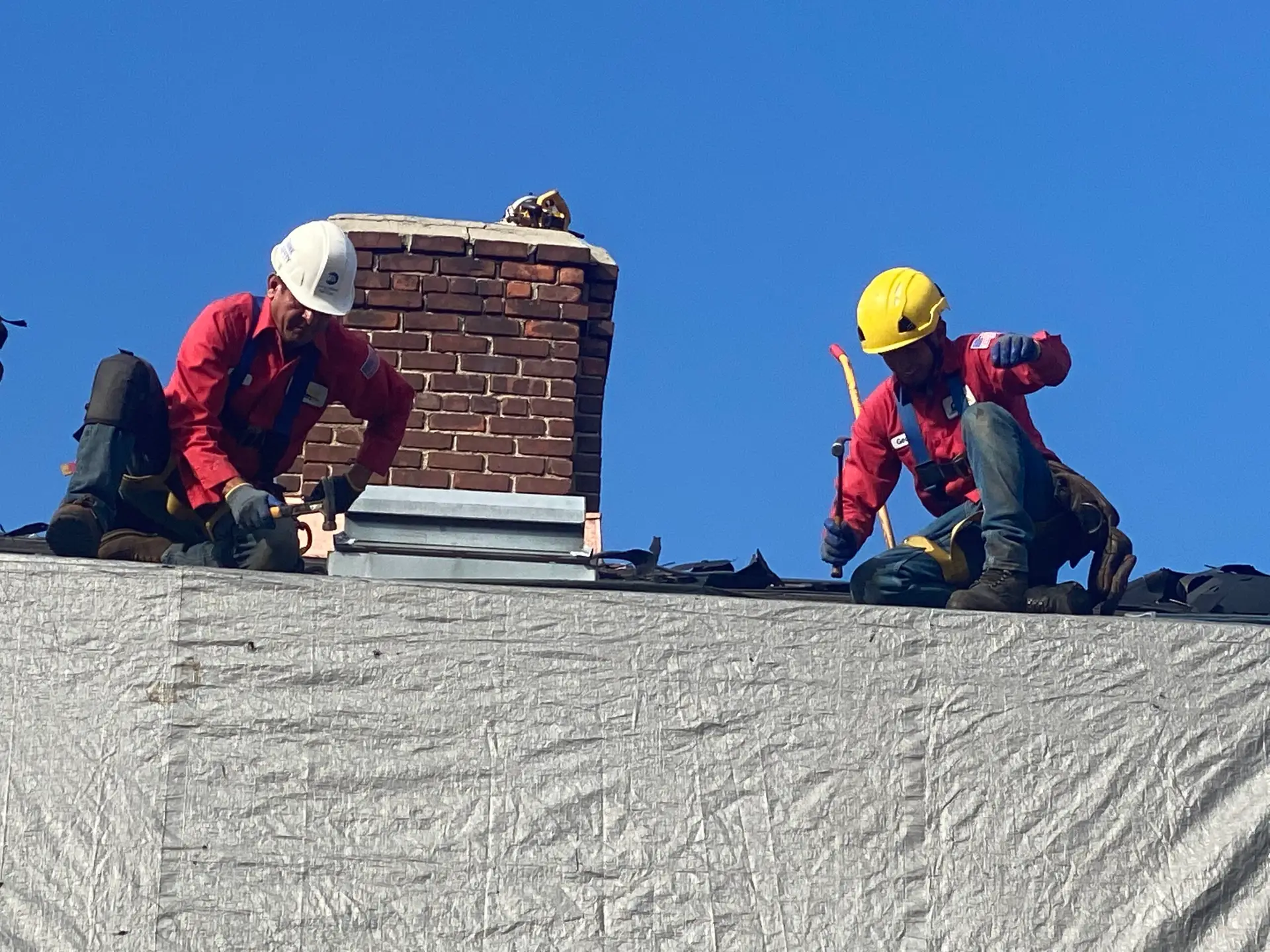
Many roof installers use asphalt saturated felt as their roof underlayment material. The asphalt makes the felt water-resistant, but not watertight. Asphalt saturated felt tears easily, so careless roofers can damage the underlayment when fastening or walking across it. And asphalt saturated felt has a shorter expected lifespan than other common underlayments.
SYNTHETIC ROOFING UNDERLAYMENT
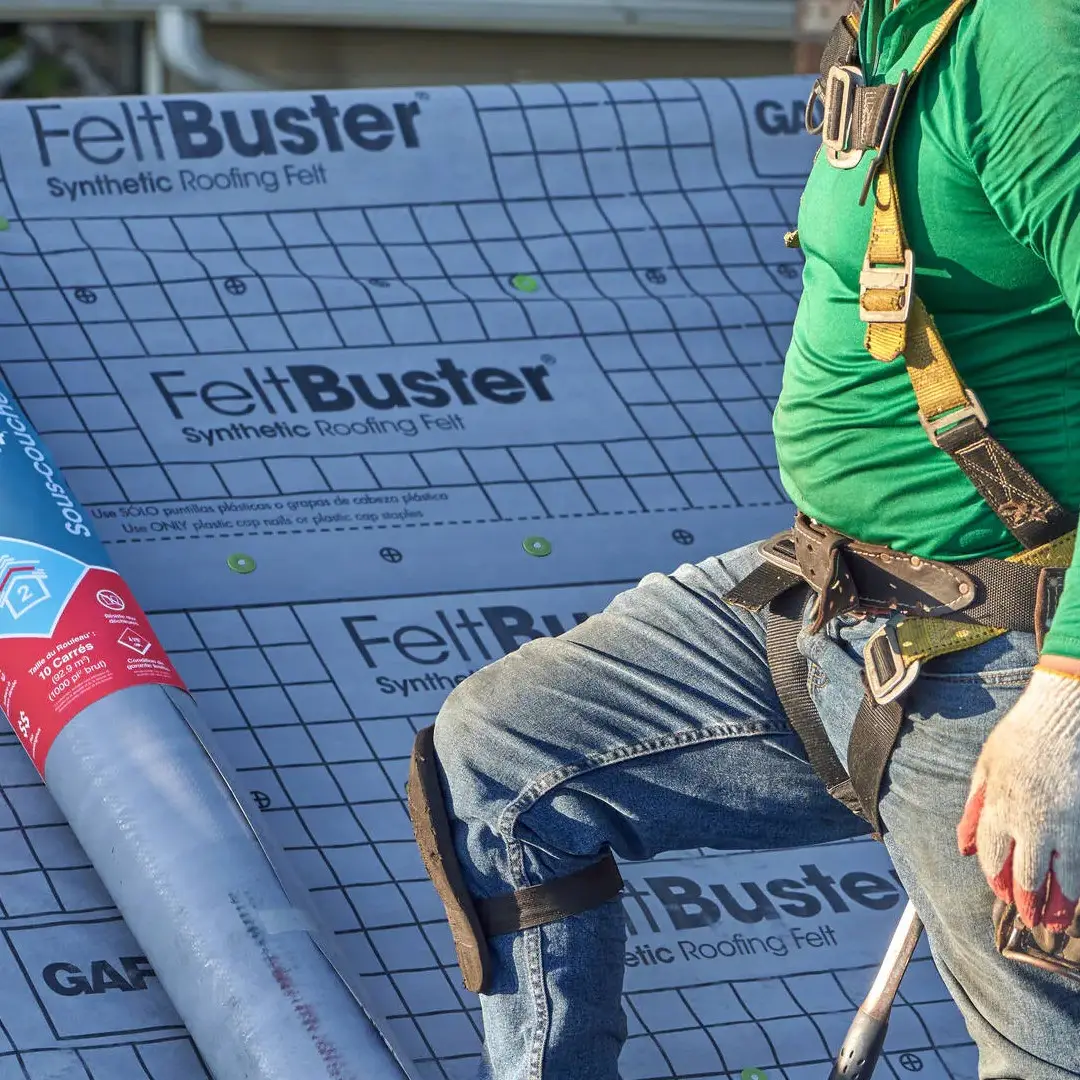
Synthetic roofing underlayment instals more quickly than asphalt felt and is far more durable. But synthetic underlayment costs considerably more than asphalt felt. Installers must also use cap fasteners rather than staplers. And while synthetic roofing underlayment offers more water resistance than asphalt felt, it does not create a watertight seal.
Your Best Choice: Rubberized Asphalt with Grace
If you want an absolutely waterproof roof underlayment, rubberized asphalt is your only choice. Rubberized asphalt underlayment can last up to 50 years. It’s also easy to install and easy to repair a torn rubberized asphalt membrane.
Grace Ice & Water Shield is by far the best-known name in rubberized asphalt underlayment.
It is a premium, self-adhered roofing underlayment featuring rubberized asphalt on a durable film. It provides your roof with the best protection against water damage.
The Grace Ice & Water Shield is the original self-adhesive underlayment, with more than 2 million homes rely on it to protect them against inclement weather.
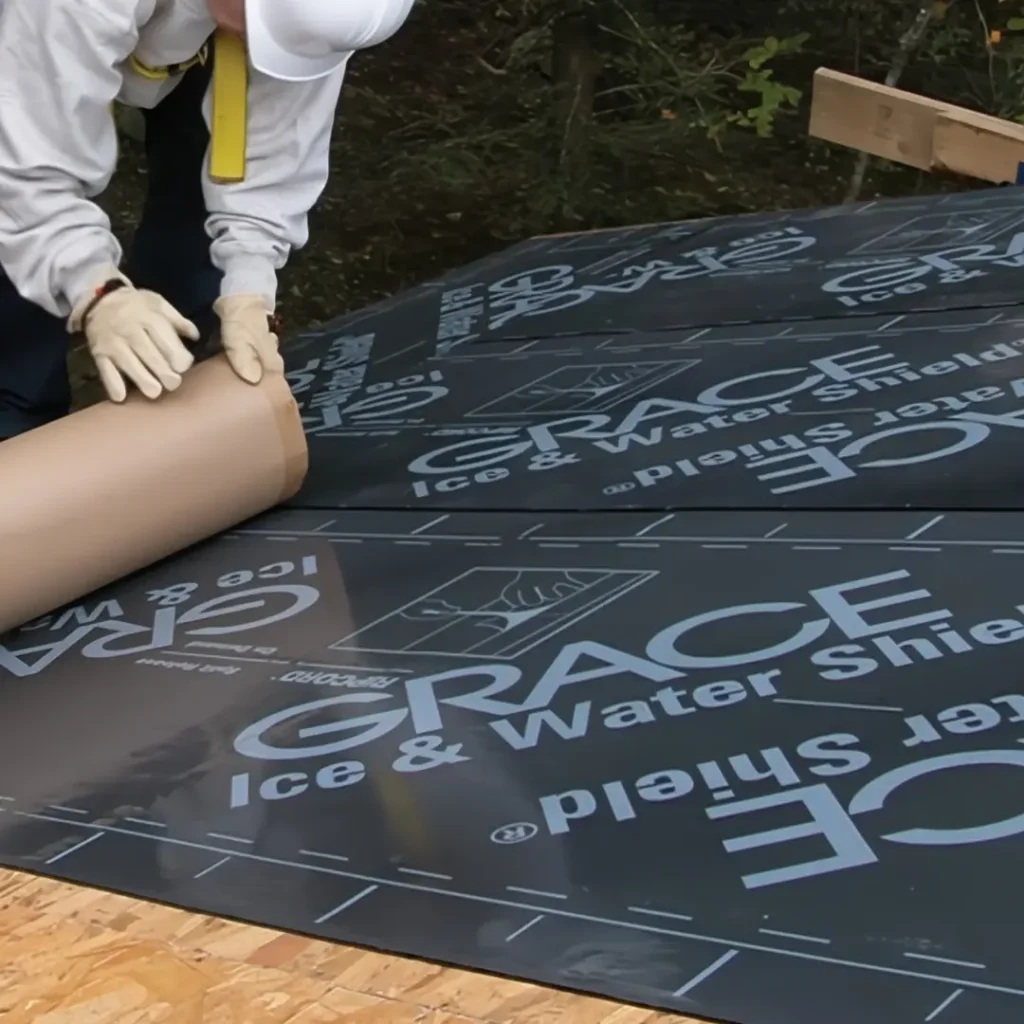
Grace Ice & Water Shield consists of two waterproofing layers. A high-density cross-laminated polyethylene film backs an adhesive rubberized asphalt surface.
The membrane forms a continuous, sealed barrier across the roof surface for enhanced waterproofing and moisture protection. A release paper backing protects the adhesive and makes the rolls easier to handle. Roofers remove the release paper for installation.
The adhesive bonds tightly to the roof deck, creating a strong, waterproof barrier when installing the membrane. Grace’s Ripcord® allows for split release on demand, which helps ensure tight connections around skylights and windows.
The underlayment is highly resistant to tears, fungi, and bacteria, maintaining its integrity over time. It is compatible with various mechanically attached roof coverings including asphalt shingles, slate, tile, cedar shakes, and standard or high-temperature standing seam metal roofs.
It protects under all standard sloped roof types including asphalt shingles, metal, slate, tile, and cedar shakes. The underlayment can remain exposed to the sun for up to 90 days before the final roofing material is installed. However, it is generally not compatible with EPDM, TPO, or high concentrations of resin found in some wood plank decks.
Grace Ice & Water Shield features self sealing properties, sealing tightly around nails and other fasteners to prevent leaks.
This self-sealing capability is essential for creating a continuous waterproof barrier and reducing the risk of water intrusion caused by ice dams, storms, or penetrations.
Properly installing the membrane is crucial for creating an effective solution to protect your roof and attic from water damage.

NOT ALL ROOFERS ARE EQUAL.
PROTECT YOUR INVESTMENT!
The Advantages of Grace Ice & Water Shield
- Seals around fasteners. The Grace Ice & Water Shield membrane seals around fasteners. This helps it resist leakage caused by wind-driven rain or ice dams.
- Adheres firmly to the roof deck. Grace's self-adhesive bonds firmly to the roof deck without added adhesives. It also forms water-tight overlaps without flashing or special treatment.
- Slip resistant surface. The slip resistant embossed surface makes Grace Ice & Water Shield easier to handle. It also helps installers maintain traction on the roof.
- Ripcord. Installers can split the Grace Ice & Water Shield membrane for faster application. This also allows better position in valleys and around dormers.
- Will not crack, dry out, or rot. Grace Ice & Water Shield roofing underlayment resists attacks from fungus, mold, and bacteria. It maintains its integrity for long-lasting protection.
- Fire resistance. Grace Ice & Water Shield has a UL790 Class A rating, the highest rating, for internal fire resistance.
Will Grace Ice & Water Shield prevent ice dams?
Every winter we repair many Nassau County roofs damaged by ice dams.
A Grace Ice & Water Shield underlayment will stop damage from water that builds up on your roof due to ice dams. But, unfortunately, it won’t stop the ice dams from forming in the first place.
Ice dams occur when heavy snow falls onto the roof and builds up. As the snow melts during the day due to heat loss from the house, it creates nonuniform roof surface temperatures, then refreezes during the night when the temperatures drop.
As the melt-freeze cycles continue, ice builds up at the roof’s edge. When the snow melts, the ice dam traps the water.
In time, this water can work its way beneath the shingles. There it can find its way into your attic, causing water damage to ceilings and walls.
Moisture from ice dams can also lead to mold and mildew growth in homes. If ignored too long, an ice dam can do significant damage. Insufficient attic ventilation can allow condensation to form on the interior side of the roof deck, leading to wood rot and potential mold growth.
The Grace underlayment is water-tight. When that water reaches the Grace Ice & Water Shield layer, it has nowhere else to go.
This means that when roofers come to look at the damage, they just need to replace a few shingles. Without the Ice & Water Shield layer, they might have to replace a section of your roof deck.
Here are some ways you can limit the chances of an ice dam forming on your Bronx roof.
Clean all leaves, sticks and other debris from your gutters and down spouts. This lets snow melt flow freely to the ground without building up.
Use a roof rake to keep snow off your roof. Heavy snow loads can not only lead to ice dams, they can cause roof failure due to the weight.
Clear icicles and snow from your gutters and down spouts.
Ensure your attic is properly insulated and ventilated to prevent ice dams from forming in the first place. Proper insulation levels help keep heat from living spaces out of the attic, and adding insulation with a high R-value per inch can reduce heat loss by conduction. Minimal insulation or insufficient ventilation can contribute to elevated attic temperatures, causing snowmelt and increasing the risk of ice dams. Proper attic ventilation also helps prevent condensation and related issues.
Role of Attic Insulation in Preventing Ice Dams
Attic insulation is one of the most effective ways to prevent ice dam formation on your roof.
When your attic is properly insulated, it reduces heat loss from the living space below, helping to keep the roof surface and roof deck at a consistent, cold temperature.
This is crucial because when heat escapes into the attic, it can warm the roof, causing snow to melt unevenly. As the melting snow refreezes at the colder roof edges, ice dams can form, trapping melted water and increasing the risk of leaks under your shingles.
To prevent ice dams, homeowners should ensure their attic insulation meets or exceeds the recommended R-value for their region—typically R-38 or higher in colder climates like Long Island.
Using quality insulation materials such as fiberglass batts, cellulose, or spray foam can help achieve this level of protection.
Adequate attic insulation not only minimizes heat loss but also helps maintain a cold roof deck, reducing the risk of melted water flows that can lead to water damage inside your house.
By investing in proper attic insulation, you’re taking a proactive step to protect your roof, prevent ice dams, and avoid costly repairs caused by water intrusion.
If you’re unsure about your current insulation levels, a professional inspection can help determine if your attic is adequately protected against the risks of ice, snow, and fluctuating winter temperatures.
Ventilation is crucial with Grace Ice & Water Shield
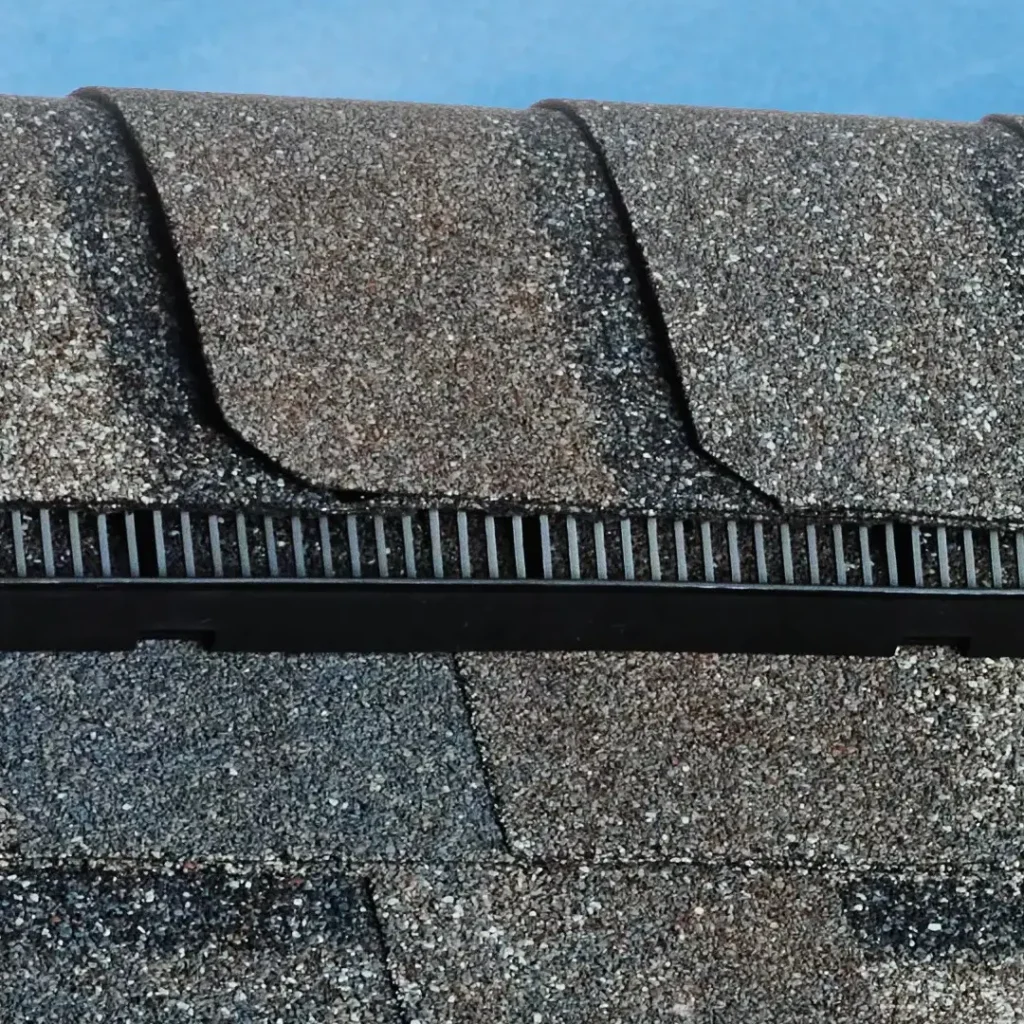
Underlayment defends your home against moisture. Ventilation supports air flow into and out of the attic space. We find that many roofing issues we handle stem from improper ventilation.
Attic clutter can block vents, as can home attic renovations. These factors can interfere with proper ventilation and the function of the roofing system, allowing rain or snow to disrupt water flow and reduce the effectiveness of moisture barriers.
Roof installers often treat venting like an afterthought. But an improperly vented attic can give you problems at every season of the year.
Warm humid indoor air can rise to the attic where it meets the cold roof deck. This causes frost and to form on the interior of your roof deck. Attic frost is common throughout the New York metropolitan area. But most homeowners rarely visit their attic and aren’t even aware that ice is building up.
Ventilation keeps air flowing through the roof, which keeps the roof deck temperature closer to the outdoor temperature.
This helps reduce ice dam occurrences and attic frost, which helps reduce the risk of roof leaks and damage. Proper insulation and moisture management around knee walls or exterior walls in the attic are also crucial to prevent issues like ice dams and water infiltration.
During a Queens summer, ventilation ensures a circulation between hot attic air and cooler outdoor air. This reduces your air conditioning bills.
It also prevents your roof from becoming dangerously overheated in the sun. High temperatures shorten the life of your asphalt shingles and can void manufacturer warranties.
As a CertainTeed certified Master Craftsman roofing contractor, we build all our roofs to CertainTeed’s ventilation standards. The CertainTeed ridge vent on the right helps ensure proper air circulation in your roof. Along with the other vents CertainTeed makes as part of its Integrity Roof System, it can
CertainTeed’s parent company recently acquired GCP, makers of Grace Ice & Water Shield. We’re excited that the best roofing shingle company has now acquired the best roof underlayment company, and look forward to the product continuing its run as the leading solution for premium underlayment.
We know that roofing projects are a big undertaking. That’s why we do the job right the first time. When you hire the best contractors and use the best materials, you get the best roof. And while premium materials cost a little more, you might be surprised by how affordable a new roof can be.
We’ve worked with financing agents in every borough and throughout Long Island. We can put you in touch with local lenders who are happy to help you get a new, headache-free roof. If you already have a financing agent, we’ll provide all the paperwork they need to make the whole process as smooth as possible.

Roofing projects are serious business. And for New York and Long Island roofing projects, the best is County Roofing Systems.
For over 3 decades Keith Schmied has installed roofs throughout the area. From Manhattan commercial projects to Queens multi-family roof repairs, Keith has seen it all. We give every project our full attention and install your roof to the highest standards. We’ll give your Brooklyn brownstone a new roof, or repair the shingles on your Suffolk County historical home.
We take every roofing job seriously, and we stand behind our work with the best warranties in the business. If you want a watertight, long-lasting Grace Ice & Water Shield-protected roof, drop us a line.