#1 Rated Commercial Roof Inspection Services
DEPENDABLE ROOF SERVICES FOR COMMERCIAL PROPERTIES
Start with a Comprehensive Multi-Point Roof Inspection
A commercial roof inspection involves a detailed evaluation of the roof’s condition, including identifying damage, wear, and structural concerns.
This gives you the details necessary to discover and address problems which could jeopardize your facility’s roofing system.
Not all issues are obvious or immediately visible to the naked eye, and our certified roof inspection team uses their expertise and specialized equipment, such as infrared cameras, to inspect for hidden issues.
Inspections are conducted by our certified team who follow industry standards, with certification from organizations like the National Roofing Contractors Association (NRCA) or the National Roof Certification and Inspection Association (NRCIA) ensuring a professional assessment and thorough inspection.
With more than 35 years of experience inspection, repairing, and replacing roofs in the Long Island and greater NY area, nothing beats County Roofing’s expertise and workmanship for commercial roofs.
FINANCE YOUR HOME IMPROVEMENT PROJECT TODAY
0% Financing, Quick and Easy Approval
With nearly four decades serving homeowners under our belt, we know what’s needed to make your roofing project a success.
When you work with County Roofing, you get only the best. As little as 0% interest on approval for 5 years, quick approval, easy pay, and all backed by the best guarantees in the industry.
The Commercial Roof Inspection Process
The County Roofing Method
Thermal imaging cameras and infrared scans are used to detect moisture buildup, insulation deficiencies, and issues not immediately visible on the roof surface.
Infrared scans are most effective when the roof is dry and weather conditions are changing, revealing temperature discrepancies that indicate hidden moisture or damp insulation. Drone inspections and high-resolution images further improve safety and efficiency, especially for multiple buildings, by providing a complete picture of the roof’s condition without the need for manual climbs.
Core samples may be taken to determine the condition of insulation, roofing material, and underlying layers, including assessing the roof deck—especially when leaks or damp insulation are suspected.
Inspectors need blueprints, maintenance logs, and records of previous repairs to conduct a thorough commercial roof inspection and correlate the roof’s history with current findings.
The roof inspection process is complete only when the entire roof is inspected for issues like drainage problems, water stains, ponding water, and structural movement, including all key features such as:
Seams
Flashing
Roof penetrations (like exhaust fans)
Drainage systems
and both interior and exterior walls.
Inspectors also check the structural health of gutters and downspouts, ensure roof edges and coping caps are tightly fastened, and look for signs of physical damage, rust, or shrinkage of roofing membranes.
Proper preparation is essential for an effective inspection: building owners should clear debris, remove rooftop equipment, provide unrestricted access, and have maintenance records, blueprints, and previous repair logs ready.
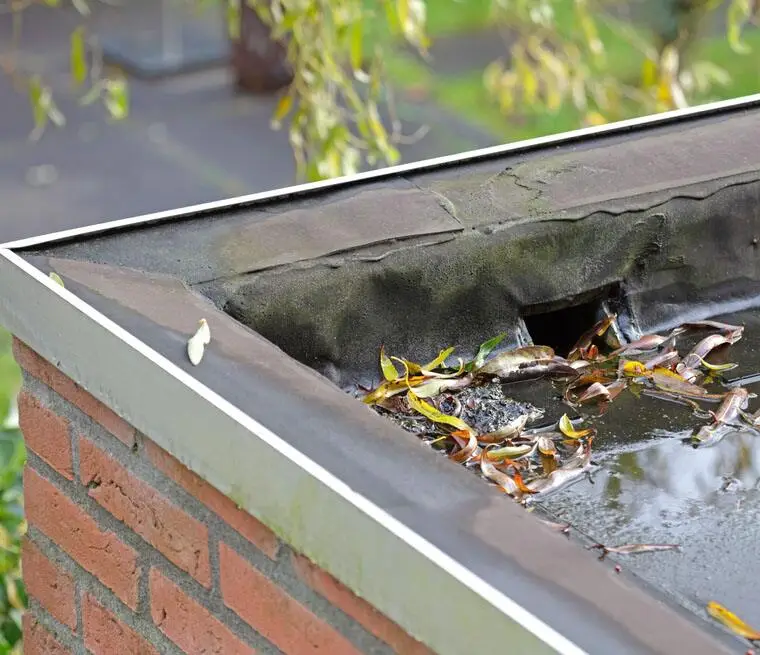
The roof should be as dry as possible and free of debris or clutter, including leaves, to help detect larger issues and ensure accurate infrared or drone inspections. Gutters and roof drains should be clear to allow a detailed evaluation of drainage issues.
A comprehensive inspection report includes high-resolution photographs, descriptions of any issues found, and recommendations for repairs.
This report is often required for insurance claims, warranty support, and real estate transactions, and helps property owners make informed decisions.
Commercial roof inspections are integral for obtaining or renewing insurance coverage, and the cost of fixing issues found during inspections is usually much lower than after a major failure.
The cost of a commercial roof inspection varies by roof size, complexity, and methods used, but investing in regular inspections can save money by preventing emergency repairs and maintaining property value.
Routine inspections and participation in a commercial roof maintenance program help maintain the roof’s condition, support warranty claims, and prevent future problems. Inspections are especially important after extreme weather or storm damage, and emergency inspections may be needed if leaks or moisture are detected inside the building.
Types of commercial roof inspections include pre-roof, first in-place/mockup, routine, post-construction/final, emergency, and periodic inspections, with a general contractor often overseeing the process to ensure compliance with manufacturer’s directions and building plans.
It is recommended that your roof be inspected twice a year. We suggest in the Spring (after the damaging winter weather) and again in the Fall (in preparation for the upcoming winter). This twice annual approach gives you the opportunity to get your roofing system in prime condition.
Schedule a free inspection today to identify potential issues and prevent future problems with your building’s roof.
5 Types of Commercial Roofing Systems
Discover the County Roofing difference.
Commercial roofing systems come in a variety of designs and materials, each offering unique benefits and challenges for building owners and facility managers.
Selecting the right roof system is a critical decision that affects not only the building’s protection and energy efficiency but also its long-term maintenance requirements and overall life cycle costs.

Some of the most common commercial roofing systems include:
Single-Ply Membranes (TPO, EPDM, PVC): These flexible sheets are popular for their durability, ease of installation, and resistance to UV rays and chemicals. TPO and PVC are known for their energy efficiency and reflective properties, while EPDM is valued for its weather resistance. Regular inspections are essential to check for seam integrity, punctures, and membrane shrinkage.
Built-Up Roofing (BUR): Often referred to as “tar and gravel” roofs, BUR systems consist of multiple layers of bitumen and reinforcing fabrics. They provide excellent waterproofing and protection against foot traffic. Inspections should focus on identifying areas of ponding water, surface cracks, and the condition of the gravel layer.
Modified Bitumen: This system combines the reliability of BUR with added flexibility and strength, thanks to polymer-modified asphalt layers. Modified bitumen roofs are well-suited for buildings with heavy rooftop equipment. Routine inspections help detect blisters, splits, and issues around flashing and seams.
Metal Roofing: Metal panels or sheets are prized for their longevity, fire resistance, and minimal maintenance needs. They are ideal for sloped commercial roofs. Inspections should pay particular attention to fasteners, sealants, and signs of corrosion or structural movement.
Green Roofs: Increasingly popular for their environmental benefits, green roofs feature vegetation layers over waterproof membranes. These systems require specialized inspections to assess drainage systems, root barriers, and the health of the plant layer.
Each commercial roofing system has its own set of maintenance and inspection requirements.

By understanding the specific needs of your building’s roof, you can ensure proper maintenance, extend its life cycle, and make informed decisions about repairs or upgrades.
Partnering with experienced roofing contractors who are familiar with a wide range of commercial roofing systems is the best way to protect your investment and maintain the structural integrity of your building.
Environmental Factors Like Severe Weather That Impact Your Roof
Environmental factors have a major influence on the durability and performance of your commercial roof.
Property owners should be aware that everything from local weather patterns to airborne debris can affect the condition of their roofs and lead to costly repairs if not addressed promptly.
Changing weather conditions and extreme weather events can significantly impact your roof’s condition and may necessitate emergency repairs. Regular commercial roof inspections are essential for identifying and mitigating the impact of these environmental challenges.
Some of the most common environmental factors that can affect commercial roofs include:
Severe Weather: Heavy rain, hail, snow, and high winds can cause immediate damage or gradually wear down roofing materials, leading to leaks and structural issues. Storm damage from these events often requires prompt inspection to assess and document issues for insurance claims and repairs.
UV Exposure: Constant sunlight and ultraviolet rays can degrade roofing materials over time, causing cracks, brittleness, and reduced energy efficiency.
Temperature Fluctuations: Rapid changes between hot and cold can cause roofing materials to expand and contract, potentially leading to splits, warping, or weakened seams.
Debris Accumulation: Leaves, branches, and other debris can clog gutters and drainage systems, resulting in ponding water and increased risk of leaks.
Airborne Pollutants: Chemicals, dust, and pollutants in urban environments can accelerate the deterioration of roofing materials and underlying layers.
Routine inspections following extreme weather are crucial for identifying storm damage, detecting areas that aren’t sealed, have leaks, or show warning signs, and preventing future problems. If significant damage is found after a storm, emergency repairs may be required to restore the roof’s integrity and protect your property.
By scheduling routine roof inspections, property owners can identify early signs of damage caused by these environmental factors. Timely repairs and maintenance not only extend the service life of your commercial roof but also help you avoid unexpected, costly repairs down the line. Keeping your roof in top condition ensures your commercial property remains protected, energy-efficient, and compliant with industry standards.
Advantages of Hiring
County Roofing Systems
Reasonable Roof Inspection Cost
Roof inspection costs shouldn’t be a problem since roof inspection and roof maintenance will be beneficial to your building or facility in the long run.
Comprehensive Roof Inspection Report
Recommendations by our certified roof inspection team are given to ensure a roof reaches its full lifespan and protects your business and building.
Regular Roof Maintenance
We keep all records of our clients and the services we did for them. We give reminders when their roof is due for inspection and maintenance.
The Importance of Roof Inspections and Maintenance
A building’s roofing system is constantly at risk from severe weather, wind, storms, snow, and the sun’s ultraviolet rays.
These roof maintenance steps should be done at least twice a year to ensure your roof remains in good condition.
Regular commercial roof inspections are also important for maintaining warranties from manufacturers and contractors.
- Hire experts for a roof inspection
- Avail of an all-inclusive roof cleaning services
- Keep the roof free of litter or debris that may cause clogged roof drains and eventually damage the entire roofing system.
Regular maintenance and timely repairs are essential for the longevity of commercial roofing systems. Regular inspections by certified professionals help support warranty claims and ensure the roof performs optimally, lowering the risk of water damage and costly repairs.
Roof repairs are often needed for minor issues identified during inspections, while roof replacement or a new roof may be necessary for more severe damage.
Working with a certified roofing contractor is crucial to ensure all repair and replacement projects are completed to the highest industry standards.
Many roofing companies offer specialized certifications to demonstrate their expertise and professionalism. Roofing companies with proper certification stand out in the market and build trust with clients.
County Roofing Systems offers comprehensive roofing services, including commercial roof inspection services, for commercial buildings and commercial properties.
No matter what type of work your roof needs, we have you covered.
Fast & Easy Financing with County Roofing
Financing your commercial roofing project has never been easier.
With County Roofing, you can get fast approvals with as low as 0% financing on new roofing projects for up to 15 years, with payments as low as $149:
First Approvals
0% financing
No income check
Up to 15 years
Monthly payments as low as $149
Fill out the form below or give us a call at (631) 400-7663 today to get started:
Call or contact us today for your free commercial roofing services estimate.
