Your Roof Deck: The Foundation of your Asphalt Shingle Roof
Over 35 Years as a Roofer in Long Island
Introduction to Roof Decking
A roof deck is the foundational layer of a roof system, situated directly atop the structural components such as trusses or joists.
The roof deck is installed over the framing and serves as a support for both the roof and the ceiling below.
It serves as the base to which other roofing materials like shingles, underlayment, and waterproof barriers are attached. The benefits of roof decking include increased durability, safety, and longevity of the roofing system.
Typically made from plywood, oriented strand board (OSB), or metal, the roof deck plays an essential role in providing structural support, distributing weight, and protecting the interior of your home from the elements. The most common materials used for roof decks are plywood, OSB, metal, and concrete. Roof decking must also support extra weight, like snow, to ensure the safety and stability of the roof.
A well-installed and maintained roof deck ensures the longevity of the entire roofing system. It prevents leaks, helps regulate temperatures, and provides a solid surface for additional roofing layers. However, roof deck problems can compromise the entire roof.
When it comes to roof decking materials, there are various types to consider, such as sheet decking and plank decking. Sheet decking is made of flat sheets of wood, typically plywood or OSB, while plank decking consists of elongated, rectangular wooden boards. Plywood and OSB are examples of flat sheets used in sheet decking. Choosing the right material is crucial for the performance and lifespan of your roof, and different deck types are available to suit various construction and repair needs.
Roof decking is the unsung hero of any roofing system, acting as the foundation that supports all other roofing materials, from asphalt shingles and tiles to metal roofing. The choice of roof decking materials—such as plywood, oriented strand board (OSB), or metal decking—can significantly impact the durability and performance of your roof.
Plywood and OSB are popular for their strength and cost-effectiveness, while metal decking is often chosen for its longevity and resistance to pests and fire.
A solid work surface is essential for the proper installation of roofing materials, ensuring that shingles, underlayment, and insulation are securely attached and able to withstand the elements.
Consulting a professional roofer is the best way to determine which roof decking material is right for your property, as they can assess your specific needs, local climate, and building codes.
With the right foundation in place, your roof will provide reliable protection and lasting value for years to come.
Decking Profiles and Designs
Roof decking is available in a variety of profiles and designs, each tailored to specific construction and repair needs. Narrow rib decking is commonly used for roof repair and re-roofing projects, offering flexibility and ease of installation in tight or complex spaces.
Intermediate rib decking strikes a balance between strength and weight, making it suitable for a wide range of roofing applications. Wide rib decking, on the other hand, is favored in new construction projects due to its superior strength-to-weight ratio, allowing for longer spans and greater load-bearing capacity. By understanding the differences between these profiles, property owners and roofers can select the most appropriate decking type for their project, ensuring the roof is both sturdy and resilient against Long Island’s challenging weather conditions.
The right decking profile not only enhances the structural integrity of the roof but also contributes to a smoother, more efficient installation process.
Ensuring Enough Support
A roof’s ability to withstand the test of time depends heavily on the support provided by its decking. Roof decking must be engineered to transfer both horizontal and vertical loads safely to the building frame, ensuring the entire roof remains stable under the weight of roofing materials, snow, and wind. Several factors influence the level of support, including the type and thickness of decking material, the spacing of rafters, and the overall design of the roof. If the decking lacks enough support, it can lead to sagging, cracking, or even collapse, putting your home and family at risk. A professional roofer will carefully evaluate these factors to determine the optimal support structure for your roof, taking into account the unique requirements of your property. By ensuring the foundation is strong and properly designed, you can enjoy peace of mind knowing your roof is built to last.
Common Problems with Roof Decks
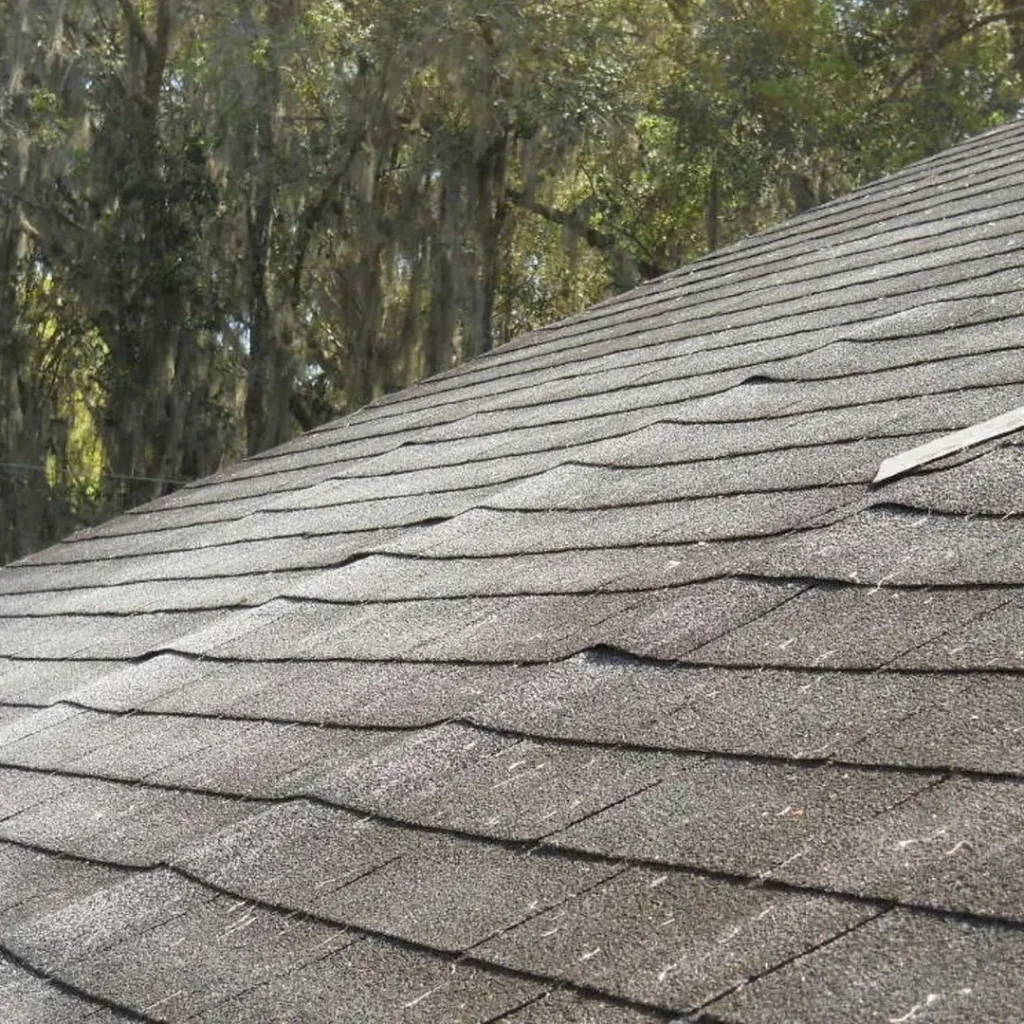
The roof deck plays a critical role in maintaining the overall structural integrity of a roof. When installed and maintained correctly, it protects your home from leaks, temperature fluctuations, and costly repairs. However, if neglected, issues such as moisture, sagging, and ventilation problems can arise, leading to significant damage. As a property owner, it is important to inspect your roof decking after major storms to identify damage early and prevent costly repairs. Immediately fixing small problems can prevent more damage and more expensive repairs in the future.
For Long Island homeowners looking to ensure their roof deck is in top condition, County Roofing Systems offers unmatched expertise, high-quality materials, and a commitment to excellence. Whether you’re facing a minor repair or a complete roof deck replacement, County Roofing Systems is the trusted choice for reliable roofing solutions that stand the test of time. With their deep knowledge of Long Island’s climate challenges and over 35 years of experience, they are well-equipped to handle any roofing project, big or small.
1. Moisture and Rot
One of the biggest threats to roof decks is moisture. When water seeps through damaged shingles or flashing, it can become trapped in the deck, leading to rot, mold growth, and weakened structural integrity. Roof sheathing, also known as sheathing, is the foundational component of the roof deck and must be kept in good condition to ensure the stability and safety of your roofing system. Building codes require that any rotten or insufficient decking be replaced before new roofing materials are installed. This is particularly problematic in Long Island’s climate, where heavy rain and snow are common. Over time, excessive moisture can cause the roof deck to warp or collapse, creating safety hazards.
2. Sagging and Bowing
Another common issue with roof decks is bowing or sagging roofs. This typically occurs when the deck has absorbed moisture or when it’s unable to support the weight of accumulated snow. Roof decking must be able to support extra weight, and standard residential roofs may not be built to support the live load required for a deck, which typically ranges from 50–100 lbs per square foot. If the roof deck becomes compromised, it may no longer provide adequate support for the roofing materials above, leading to leaks, structural damage, and even roof collapse in extreme cases.
3. Inadequate Ventilation
Long Island homes often face problems related to poor ventilation in the attic or roofing system. When the roof deck lacks proper ventilation, moisture can’t escape, leading to increased humidity and condensation. This can exacerbate rot and mold issues and reduce the lifespan of both the roof deck and the roofing materials above.
4. Shingle and Underlayment Damage
Over time, damaged shingles or inadequate underlayment protection can expose the roof deck to the elements. Inadequate coverage leaves the deck vulnerable to rain, snow, and ice, which can ultimately lead to decay. Prolonged exposure without repairs can lead to extensive and costly damage, often requiring a complete roof replacement.
How Do I Know If My Roof Deck Is Damaged?
- A musty smell in your attic
- Fungus or mildew growth on your attic walls
- Frequent leaks
- Curling, buckling, or missing shingles
- Deterioration around skylights, chimneys, and dormers
Long Island's Premier Choice for Roof Deck Issues
With over 35 years of experience serving Long Island and New York City, County Roofing Systems has built a stellar reputation as a leading roofing contractor. Their team of professionals specializes in everything from minor roof repairs to complete roof deck replacements, ensuring that every roof is built to withstand Long Island’s harsh weather conditions.
Roof Deck Installation Experts
At County Roofing Systems, installing a roof deck is not just about placing plywood over trusses. They meticulously ensure that every roof deck they install is aligned with industry standards and local building codes. This includes the use of high-quality materials like plywood or OSB, depending on the project, as well as protective measures such as Grace Ice & Water Shield, which adds a layer of protection against the weather. This extra measure helps combat Long Island’s notorious nor’easters and freezing winters, which can wreak havoc on inadequately protected roofs.
Roof Deck Repair and Replacement
If your roof deck has suffered from rot, sagging, or water damage, County Roofing Systems can provide expert repair or replacement services. Their team conducts thorough inspections, pinpointing the source of the problem and addressing it with long-term solutions. Prompt repairs can prevent more damage to the roof decking and the overall roofing system. Whether it’s replacing damaged decking materials or enhancing the roof’s ventilation system, County Roofing Systems ensures that every repair strengthens your home’s protection against future weather condition.
Roof Decks Built to Withstand Long Island Weather
County Roofing Systems understands the unique challenges posed by Long Island’s climate. From intense summer heat to snow-laden winters, roofs in this region are subjected to extreme conditions. Their roof deck installations are specifically designed to withstand these challenges, ensuring that homes remain protected year-round. By incorporating ventilation systems that help prevent moisture buildup, we reduce the risk of mold, mildew, and premature roof failure
Your Trusted Roofing Contractor in LI and NYC
With decades of experience, County Roofing Systems has earned the trust of Long Island homeowners by consistently delivering high-quality roofing services. Their attention to detail and commitment to customer satisfaction ensures that every project is completed on time and within budget. Homeowners consistently praise the company for its transparency, professionalism, and dedication to providing the best possible roofing solutions.
Unlike many contractors who rely on subcontractors, County Roofing Systems takes pride in managing every aspect of a project with its in-house team. Their roofers are highly trained and certified by top manufacturers, which guarantees that they stay updated on the latest industry standards and technologies. This also means that homeowners benefit from longer warranties on both materials and workmanship.
Rather than offering quick fixes, County Roofing Systems focuses on providing long-term roofing solutions. Whether it’s installing a brand-new roof deck or performing routine maintenance, the company aims to extend the lifespan of your roof while reducing future repair costs. Their team uses only premium materials, ensuring that every roof is built to last.
People Also Ask...
What is the roof deck and why is it important?
The roof deck is the structural foundation of a roof, typically made from plywood or oriented strand board (OSB). It is attached to the roof trusses and provides a solid base for the installation of shingles or other roofing materials. Roof decking adds structural support, helps distribute weight evenly, and provides a surface for roofing materials to attach securely.
What materials are commonly used for a roof deck?
The most common materials for roof decking are plywood and OSB (oriented strand board). Plywood consists of multiple layers of wood veneer glued together, while OSB is made from compressed wood strands and adhesives. Both materials offer strength and durability, but plywood is generally more resistant to moisture.
How do I know if my roof deck needs to be replaced?
Signs that your roof deck may need replacement include sagging or uneven roof surfaces, water stains or leaks in the attic, mold or mildew growth, and soft or spongy spots when walking on the roof. A professional roofing inspection can accurately assess the condition of your decking.
Can I install new shingles over damaged roof decking?
No, installing new shingles over damaged or rotting roof decking is not advisable. The decking must be in good condition to provide proper support and attachment for the shingles. Damaged decking can lead to roofing failures and void warranties on new roofing materials.
What’s the difference between plywood and OSB for roof decking?
Plywood is made from thin layers of wood veneer, while OSB is made from wood strands compressed with adhesives. Plywood generally has better moisture resistance and holds nails more securely, but it is typically more expensive than OSB. OSB is cost-effective and strong but may be more susceptible to moisture damage if not properly sealed.
How thick should roof decking be?
The standard thickness for roof decking is usually between 1/2 inch and 5/8 inch, depending on building codes and the specific requirements of the roofing materials being used. Thicker decking may be required in areas with heavy snow loads or for certain roofing systems.
Does a roof deck need to be ventilated?
Proper attic ventilation is essential to prevent moisture buildup that can damage the decking. Good ventilation helps regulate temperature and moisture levels, extending the lifespan of both the decking and roofing materials.
Can damaged sections of roof decking be repaired individually?
Yes, if the damage is localized, individual sections of roof decking can be removed and replaced without replacing the entire roof deck. A professional roofer can cut out the damaged area and install new decking material as needed.
How much does it cost to replace roof decking?
The cost to replace roof decking varies based on factors like the size of the roof, the material used, labor costs, and your location. On average, you might expect to pay between $2 and $5 per square foot for materials and installation, not including the cost of removing old roofing materials.
Is roof decking covered by homeowners insurance?
Homeowners insurance may cover roof decking replacement if the damage is due to a covered peril, such as a storm, fire, or falling debris. Damage from wear and tear, neglect, or improper maintenance is typically not covered. Review your policy and consult with your insurance provider for specific coverage details.